
1. Overview: Biowaste, the Biotonne and the Promise of Compostable Bags
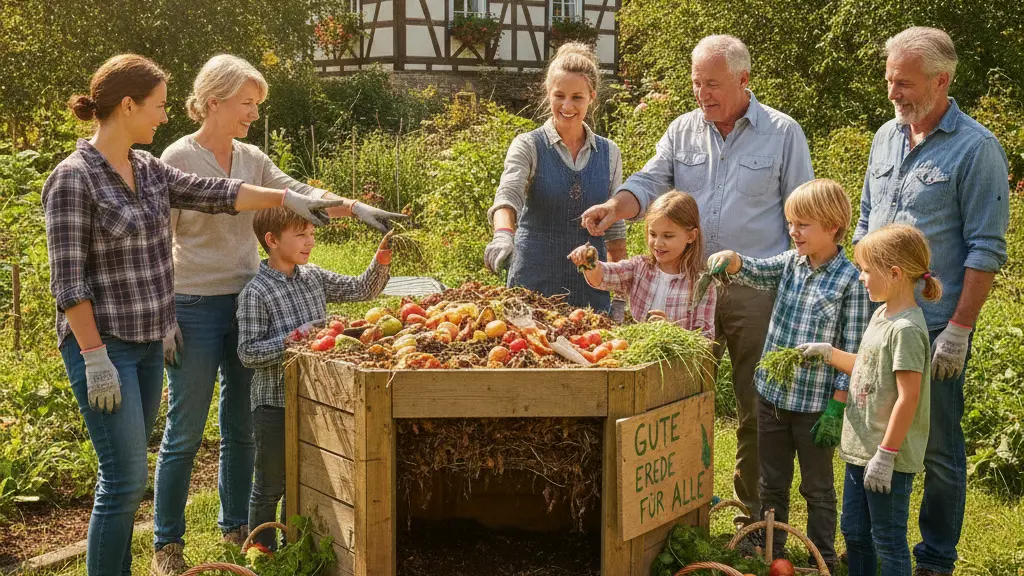
Many German municipalities launched the Biotonne with high hopes: collect kitchen and garden bio-waste separately and turn it in composting and digestion plants into energy and quality compost. Campaigns such as the “Aktionswochen Biotonne Deutschland” promote consistent collection of food scraps in the brown bin as a model for circular economy. At first glance, compostable trash bags made from bioplastic seem to fit this green picture, but in practice they are creating significant technical problems and extra costs for waste managers.
Local waste operators increasingly warn that bioplastic bags advertised as “compostable” or “bio” are often unsuitable for municipal composting: they do not break down fast enough in real plant conditions, they appear as visible foreign matter in finished compost, and they require extra sorting and treatment. That disconnect between marketing and reality is at the heart of the cost issue.
2. Technical problems in real composting plants
Incomplete and slow decomposition
Composting and anaerobic digestion facilities are designed for specific residence times, temperatures and moisture cycles. Many so-called compostable plastics—often based on starch or other biobased feedstocks—need different or longer conditions to degrade. In municipal plants they frequently remain as bag scraps, faxes or thin films that do not disappear within the planned processing time.
Quality reduction of finished compost
When pieces of bioplastic remain in the material stream, they visibly contaminate the finished compost. Operators report that these residues lower the product’s perceived and actual quality, forcing additional clean-up steps and reducing the value of compost sold for agriculture or landscaping.
Micro- and nanoplastic concerns
Research and testing mentioned by authorities indicate that even biobased plastics can behave like conventional plastic under many composting conditions and may fragment into micro- or nanoplastic particles. This is another reason many operators prefer to avoid any plastic input to the biowaste stream.
3. How these technical issues translate into higher costs
Every disruption in the composting material flow requires additional resources. When compostable bags do not break down as expected, plants must invest in more sorting technology, more staff time for manual removal of contaminants, and sometimes additional processing steps. All of these measures increase operating costs.
- Increased sorting and removal of contaminants
- Additional processing or reworking of compost
- Lower market value for contaminated compost
- Possible rejection or downgrading of whole loads
- Higher personnel and maintenance costs
Those extra costs show up in several ways: more complex and expensive plant equipment, higher labor costs, reduced throughput, lower-quality compost that sells for less, and—in extreme cases—shipments that must be downgraded to residual waste treatment. Ultimately these expenses are passed on to users through higher collection fees and waste charges.
4. Municipal policies and fee impacts
Many municipal authorities have taken a clear stance: kitchen and garden wastes belong in the Biotonne, but compostable plastic bags do not. Operators in places such as the Landkreis Gießen, Unterallgäu, Peine and Kassel report that these bags must be sorted out as contaminants and that they cause additional treatment effort. That effort contributes to the overall fee structure for bio- and residual waste collection.
| Location | Example fee or note |
|---|---|
| Essen | 80‑liter Biotonne, fortnightly emptying: €36 per year (larger sizes more) |
| Gießen | 120‑liter Biotonne, fortnightly: €35.40 per year; 240‑liter: €66.60 per year |
| Kassel | Fees per emptying: about €8.50 for 80 liters and €9.60 for 120 liters; additional fees for extra volume or bags |
| If treatment effort rises due to contaminants such as compostable plastics, these and similar fees are likely to increase for all users. | |
Some municipalities will refuse to empty Biotonnes that contain too many contaminants, or they may treat the contents as residual waste, which is more expensive. That means households or businesses that use compostable bags may face rejected collections or higher charges when their waste is routed differently.
5. Practical alternatives and recommendations
Waste managers and environmental campaigns consistently recommend simple alternatives that avoid the problems caused by compostable plastics. The most practical household options are collecting bio-waste loose, using paper collection bags, kitchen roll or newspaper to line small containers, or wrapping wet scraps in paper. These measures keep the Biotonne free of plastic and protect compost quality.
- Collect food scraps loose in a small kitchen caddy and empty into the Biotonne.
- Use certified paper bags or several sheets of kitchen roll to contain wet waste.
- Wrap moist scraps in newspaper or kitchen paper to reduce smell and leakage.
- Do not use conventional or compostable plastic bags in the Biotonne unless your municipality explicitly allows and processes them.
In commercial settings such as restaurants and caterers, the effects are amplified: large volumes of wrongly bagged waste increase treatment costs significantly and can jeopardize compliance with local disposal rules. Businesses should follow municipal guidance and avoid bioplastic bags to keep treatment efficient and legally compliant.
6. Communication, marketing and consumer confusion
One major driver of the problem is mixed messaging. Manufacturers and retailers often promote compostable bags as sustainable because they are made from renewable materials and can be biodegradable under certain conditions. But certification standards for compostability do not always match the actual conditions and timeframes in municipal composting plants. This gap leads consumers to believe that any product labeled “compostable” is safe for the Biotonne, which increases the share of incorrect items in collections.
Why labeling can be misleading
Labels and marketing emphasize the theoretical biodegradability of materials under industrial conditions, yet real-world municipal processes often differ from the laboratory tests behind certification. Several public tests and reports cited by environmental groups and media have found that many products advertised as compostable do not fully degrade in local plants, reinforcing municipal bans and strict guidance.
7. Conclusion: compostable plastic bags are a cost risk for the Biotonne
The central takeaway is clear and repeated across municipal guidance, waste operators and environmental communications: compostable plastic bags are not a cost-saving option for the Biotonne. They tend to slow decomposition, contaminate compost, require extra sorting and treatment, and ultimately increase costs that are borne by all users through higher fees or rejected collections.
To protect compost quality and avoid additional fees, households and businesses should collect bio-waste loose or use paper-based liners and kitchen paper. Following local waste authority guidance—rather than marketing messages—helps keep the Biotonne an effective tool for resource recovery and climate protection without becoming a financial burden.
