
1. Bielefeld’s interim report at a glance
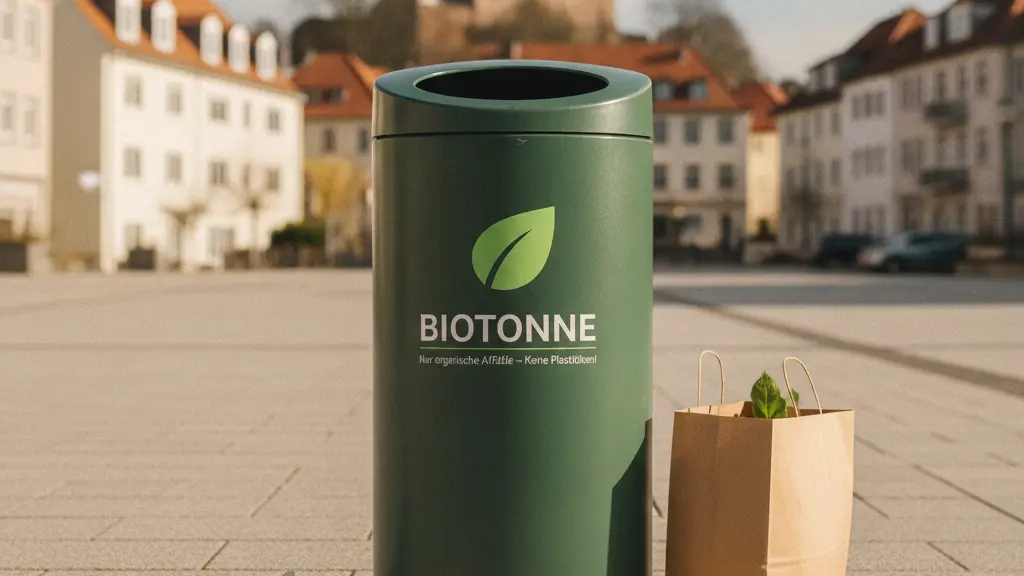
The city of Bielefeld has published an interim report after several months of focused checks on the biotonne (organic waste bin). Over 123 inspection days, 38,922 biotonnes were checked. In 34,574 cases there were no objections, which corresponds to a very high cleanliness rate of about 89 percent. At the same time, 706 tonnes of bio-waste were classified as so badly contaminated that they could not be processed as high-quality bio-waste and had to be redirected to incineration or residual waste treatment. The clear communication from Bielefeld’s waste management is simple: no bags in the biotonne — and that means really no bags, including so-called compostable or bio-plastic bags.
Key statistics from the controls
| Item | Value |
|---|---|
| Inspection days | 123 |
| Biotonnes checked | 38,922 |
| Bins without objections | 34,574 (≈ 89%) |
| Bio-waste rejected due to contamination | 706 tonnes |
| Note | High share of clean bins shows many households follow the rules; remaining contamination highlights the need for continued awareness and controls. |
2. Why bags — including “compostable” bags — are a problem
Many residents use bags to collect kitchen scraps for convenience, to reduce odors, or to keep the bin clean. However, municipal composting systems and short processing cycles often do not allow these bags to break down fast enough. Plastic bags and so-called compostable or bioplastic bags can remain as contaminant fragments, disrupt processing equipment, and increase sorting and disposal costs. For these reasons Bielefeld and many other municipalities advise that no plastic or bioplastic bags belong in the biotonne.
How composting plants are affected
- Bags slow down the biological breakdown of organic material and reduce compost quality.
- Fragments of plastics and bioplastics can clog or damage machinery and require additional manual sorting.
- Contamination increases disposal and processing costs and can force otherwise usable bio-waste into incineration.
3. What belongs in the biotonne — and what to use instead of bags
The core recommendation is simple: put bio-waste into the biotonne loose or wrapped in paper. Good choices include multiple layers of newspaper, kitchen paper, or special paper bags that are designed to decompose in composting processes. Do not put plastic bags, bioplastic bags, or any other plastic into the bin. Typical organic waste includes fruit and vegetable scraps, coffee grounds, tea leaves, egg shells, and garden clippings when accepted by local rules.
Practical tips to reduce odors, keep the bin clean and protect compost quality
- Let wet bio-waste dry a little before disposing of it, when possible.
- Wrap moist or smelly residues in newspaper or kitchen paper instead of using a plastic bag.
- Use dedicated paper bags made for organic waste or multiple layers of newspaper for small portions.
- Keep the bin in a shaded spot and keep the lid closed to reduce odors in summer.
- Empty the biotonne regularly and follow local collection schedules to avoid long storage times.
4. Controls, communication and what may happen after repeated contamination
Bielefeld’s interim numbers show the value of both controls and public information. Where contamination persists, municipalities typically combine communication and graduated consequences: advising and supporting households first, and applying stronger measures for repeated offenses. Common measures include leaving a contaminated bin uncollected, placing warning stickers, or—depending on local regulations—issuing fines. Bielefeld emphasizes education and support, using the inspection results to inform further outreach.
How the city communicates the message
- Short, clear slogans: “No bags in the biotonne” to make the rule easy to remember.
- Public awareness campaigns that explain why compostable and plastic bags are not suitable.
- Practical guidance and FAQs on what to do in summer or winter and which materials are never allowed.
5. Broader context and final takeaway
Bielefeld’s interim results fit a national trend: many municipalities are tightening focus on bio-waste quality because contamination harms compost quality and raises costs. The gap between manufacturers advertising compostable bags and the technical reality of composting plants creates confusion for residents, which is why waste managers take a strict stance. The positive message is that change is possible — about 89 percent of inspected bins were clean — but the remaining 706 tonnes of contaminated bio-waste shows continued outreach and controls are still needed.
Simple takeaway for residents
To help keep compost clean and reduce costs: do not put plastic or compostable plastic bags in the biotonne. Use paper wrapping, special paper bags or put bio-waste loose into the bin. Follow local guidance, take the city’s message to heart, and spread the word: no bags in the biotonne.
