
1. Summary and context
This article explains a recent proposal from the CDU to change how the mobility portion of the Bürgergeld is provided. Rather than paying a small mobility allowance in cash, the plan would let welfare recipients receive a Deutschlandticket as an in-kind benefit. The proposal aims to stop deliberate fare evasion that can lead to fines, converted day-fines and even replacement custody, while also ensuring public funds are used for their intended purpose. At the same time, the change is part of a larger reform that will replace the Bürgergeld with a new Grundsicherung beginning 1 July 2026, and it raises practical, legal and social questions.
Background: from Bürgergeld to Grundsicherung
Since 2023 the Bürgergeld has been the main social benefit for many long-term unemployed and low-income people. Reports and policy discussions now say the Bürgergeld will be replaced by a new Grundsicherung starting on 1 July 2026. That broader reform changes many rules that affect recipients, including asset protections, housing cost rules and notification requirements. The Deutschlandticket idea sits inside this wider reform debate.
What is the so-called “Bürgergeld trick”?
Media coverage highlighted a practice where a mobility allowance in the cash payment is meant to pay for public transport tickets. In some cases, recipients do not buy a ticket, are caught fare-evading and then declared unable to pay the fine. That can result in fines, conversion to day-fines and, in rare cases, replacement custody that the state ultimately covers. Critics say this double burden—providing benefits and then picking up the bill for the consequences of fare evasion—creates unfair costs for taxpayers and an incentive problem that some politicians call the “Bürgergeld trick.”
2. The Deutschlandticket as an in-kind mobility benefit
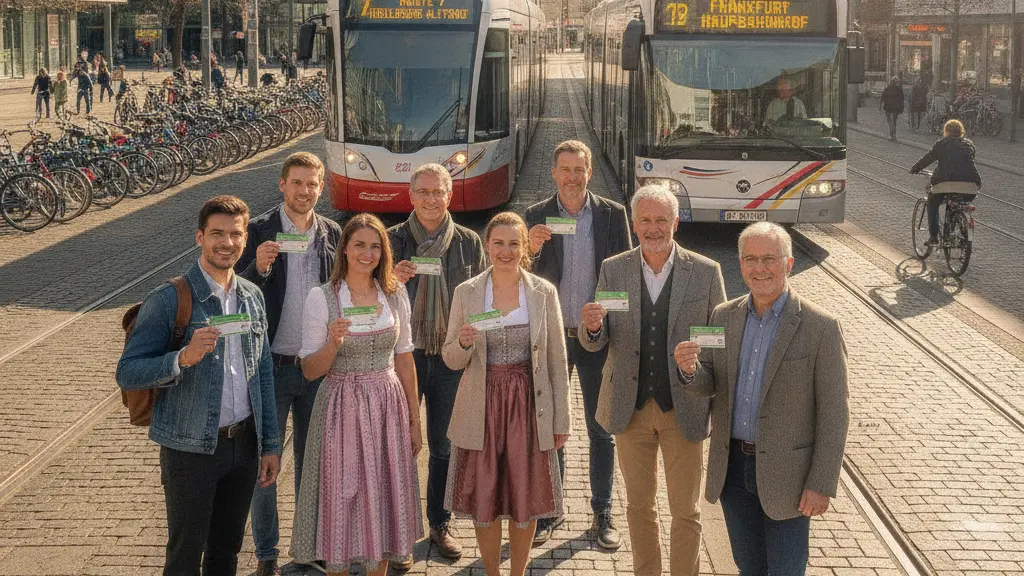
The central idea in the CDU plan is to offer a fully valid Deutschlandticket as an optional sachleistung (in-kind benefit) instead of—or alongside—a cash mobility allowance. The Deutschlandticket is a nationwide monthly public transport pass at a fixed price. Converting the mobility portion of social benefits into this in-kind ticket is meant to guarantee access to public transport while reducing the opportunities and incentives for deliberate fare evasion.
| Current situation | Deutschlandticket as sachleistung |
|---|---|
| Small cash mobility allowance paid with monthly benefit | Monthly nationwide public transport pass provided as in-kind benefit |
| Risk that cash is spent on other needs or leads to fare evasion | Guaranteed valid ticket; removes need to buy a separate pass and reduces chance of fare evasion |
| Possible lower monetary value than a full ticket | Ticket value may be equal to or higher than current allowance, improving mobility |
| Outcome varies by individual | More secure access to public transport for recipients |
How the sachleistung would work in practice
Under the proposal, recipients could receive a Deutschlandticket that covers local and regional public transport across the country. The ticket would be paid from the mobility part of the benefit, either fully or partially, so the cash portion would be reduced accordingly. In many cases the ticket’s monetary value could exceed the current cash mobility allowance, making the in-kind benefit financially attractive for some recipients.
- Ensures public funds are used for the intended mobility purpose.
- Reduces the incentive or need to travel without a ticket (fare evasion).
- May offer greater monetary value and better mobility for recipients.
- Raises questions about choice, autonomy and administrative logistics.
Legal and operational questions
Important legal issues must be clarified before rollout. Transport associations and regional providers would need to accept and integrate the tickets into existing tariff systems. Authorities must decide how to record and issue tickets, how optional the offer is, and how this sachleistung fits into social law. One major transport association has been mentioned as needing to review compatibility with their systems and contracts.
3. Political reception and stakeholders
The Deutschlandticket idea has attracted attention across the political spectrum. Some members of the CDU promote it as a practical fix that protects honest taxpayers and promotes responsible use of public funds. Parts of the SPD have shown openness to the idea as well. At the same time, social groups, activists and some experts warn that focusing on a small number of fare‑evaders can distort the public image of most benefit recipients and distract from deeper problems in the social security system.
Support from parties and officials
Supporters argue the plan is a targeted measure that combines efficiency and fairness. Their message is that the state should not leave people who use benefits honestly worse off than those who game the system. Proponents highlight the potential to reduce follow-up enforcement costs and the symbolism of ensuring money earmarked for mobility actually buys transport.
Criticism from social organizations and experts
Critics say the spotlight on the so‑called “trick” can stigmatize recipients and ignore that the majority follow the rules. They also point out that the wider move from Bürgergeld to Grundsicherung could remove several protections for recipients, making the overall reform more punitive. That context matters: a ticket change may look small while larger rule changes affect housing, assets and sanction regimes.
- Loss of extended asset protection (reduced shield for small savings or belongings).
- Tighter rules on housing cost transitions and shorter grace periods.
- Reduced concessions in how personal circumstances are investigated and documented.
4. What this means for recipients and the next steps
The proposal could bring practical benefits and real risks. For many recipients the Deutschlandticket may improve mobility, access to jobs, training and social life without extra outlay. It may also end the risky cycle where short-term fare evasion produces larger legal and financial consequences. On the other hand, turning cash into in-kind benefits raises questions about choice, dignity and administrative complexity. The broader Grundsicherung reform may also introduce tougher rules that change the everyday experience of recipients.
Practical impacts on daily life
Having a nationwide monthly ticket can make commuting, job search and family routines easier and more predictable. Recipients who rely on public transport would gain legal security and potentially save money. But some people prefer the flexibility of cash for splitting budgets between transport and other urgent needs. Policymakers should consider optionality and clear communication so recipients can make informed choices.
Next steps and timeline
Before any change becomes reality, officials plan legal reviews, talks with transport associations and regional testing of how the sachleistung would be administered. The broader reform schedule points to a phased shift from Bürgergeld to Grundsicherung starting 1 July 2026, but the ticket proposal needs separate operational work and formal agreements.
- Legal review of in-kind benefits under social security law.
- Negotiations with regional transport associations on tariffs and issuance.
- Possible pilot schemes or phased implementation in certain areas.
- Clear guidance and outreach to recipients about options and rights.
How to stay informed and where to seek help
If you or someone you know receives benefits, check communications from your local Jobcenter or social office for updates about changes. Community advocacy groups, legal aid services and local social counselors can help explain options and protect rights as rules shift. Clear, accessible information matters most when reforms affect daily life and access to services like public transport.
