
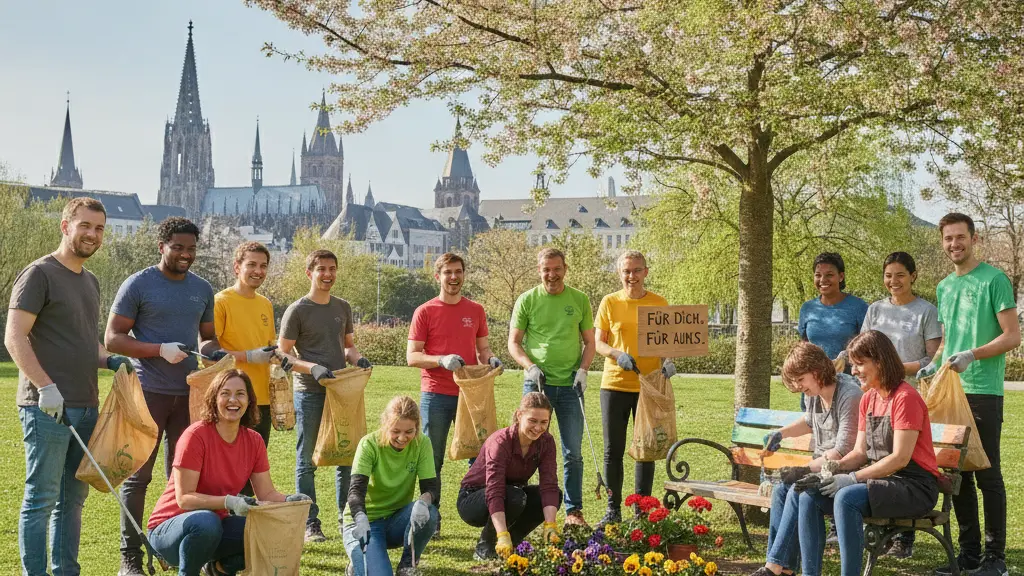
Overview of the Civic Day initiative
The Civic Day initiated by Federal President Frank-Walter Steinmeier in 2026 marked a nationwide call to volunteer and come together around the birthday of the Basic Law (Grundgesetz). Promoted under the motto “For you. For us. For all.” and linked to the 23 May 2026 date, the day became visible as a broad Mitmachaktion: an invitation to civic engagement that aimed to strengthen democracy, social cohesion and everyday community life.
- Purpose: celebrate the Grundgesetz while honoring and activating volunteer work (Ehrenamt)
- Focus: practical, local actions as well as symbolic recognition
- Motto: “For you. For us. For all.”
- Timing: activities and events clustered around the 23 May 2026 reference point and extending through late May
How communities and organisations engaged
Cities, clubs, civil-society groups and local initiatives picked up the idea and designed their own activities. Municipalities used the day to honour volunteers, sports clubs and social organisations organised practical actions, and community groups staged meetings and events. The day was therefore not only ceremonial but functioned as an action period in which many kinds of local volunteering were visible.
Common types of local activities
- Clean-up and neighbourhood maintenance projects (public spaces, parks, community centres)
- Volunteer appreciation events and ceremonies
- Practical support in clubs and institutions (equipment, repairs, organisation)
- Inclusive activities involving social and disability support organisations
- Digital participation and online exchanges to broaden reach
The role of the Federal President and public messaging
Frank-Walter Steinmeier is described in available reports as the initiator and patron of the Ehrentag. The initiative highlights voluntary engagement as a pillar for democracy and social cohesion. Coverage of the initiative has been predominantly positive, noting the civic and symbolic importance of linking volunteer recognition to the Basic Law birthday.
Clarifications on public portrayal
While public messages discussed visits and encouragement from the Federal President, source material does not substantiate literal descriptions that he “packed in nationwide” to perform tasks such as cleaning or painting himself. The available accounts emphasise the Mitmachinitiative character (inviting people to join in) and public appearances rather than detailed personal hands-on descriptions.
Practical ways citizens could take part
The initiative encouraged many accessible forms of participation so people across towns and regions could join in. Both traditional face-to-face engagement and digital participation were part of the message, making it possible for a wide range of people to contribute according to their interests and abilities.
- Join or organise a local clean-up to help tidy public spaces and parks
- Volunteer with sports clubs, cultural groups or social institutions to support everyday operations
- Attend local events that recognise and thank volunteers
- Use online platforms and social media to highlight local activities and invite wider participation
- Connect with neighbours to start small, sustained efforts that build cohesion
Impact and significance for democracy and community life
The Civic Day aimed to translate the symbolic value of the Grundgesetz birthday into practical civic action. By calling attention to volunteerism, the initiative sought to strengthen social bonds, reinforce democratic values and make civic participation visible and attractive across generations and social groups.
| What it promotes | Positive effects |
|---|---|
| Volunteer recognition | Boosts motivation and public appreciation for Ehrenamt work |
| Local action and clean-up | Improves public spaces and encourages neighbourly cooperation |
| Public conversation about democracy | Reinforces shared values tied to the Basic Law |
| Overall | More connected, active and resilient communities |
Words to take away and how to keep joining in
The Civic Day around the Grundgesetz birthday provided an accessible moment for people to recognise volunteers and to take tangible action for their communities. The simple invitation—”For you. For us. For all.”—reminded citizens that small acts of service matter. Individuals can continue this spirit by staying connected with local organisations, joining community projects, and turning one-day activities into ongoing civic habits that support democracy and social cohesion.
