
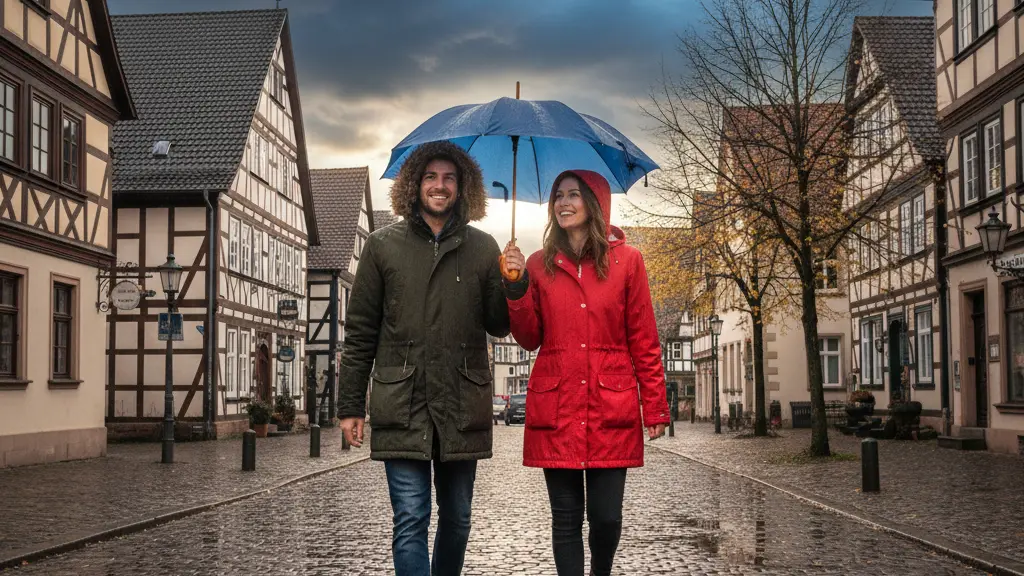
Overview: Weather change expected in North Rhine-Westphalia
A noticeable weather shift is expected in North Rhine-Westphalia (NRW). Forecasts point to episodes of graupel and rain that can create slippery conditions on roads, pavements and other surfaces. While the start of the period looks relatively mild, a possible late‑March intrusion of colder, polar air may bring cooler temperatures, showers and a higher risk of sleet or light snow in places.
Forecast details and timing
Timing: mild beginning, possible cold end of March
Long‑range projections indicate milder weather at the beginning of the month, followed by a potential change toward the end of March. Models suggest a pattern shift with a strong high pressure area positioned over the Atlantic and, on its eastern flank, a surge of polar cold air that could reach NRW during the last week of March. This timing means there may be several days of transition from mild to cooler conditions.
Precipitation types: graupel, rain, sleet and snow showers
Precipitation is likely to vary during the change. Expect rain and wet snow or graupel (small hail/sleet) in colder pockets. A small upper‑level low near eastern Europe can enhance shower activity, producing locally heavy rain and short, intense snow or sleet showers farther south and at higher elevations. These mixed precipitation types increase the chance of slippery surfaces.
Temperature trend and variability
Temperatures should be relatively mild early on, but a push of polar air late in the month could lower temperatures noticeably. Even without a strong, prolonged cold snap, brief falls in temperature combined with ongoing precipitation can produce frost, freezing rain or icy patches—especially overnight and on untreated surfaces.
Expert view and model outlook
An expert prediction highlights the contrast between a mild start and a very different last week of March: “The last week of March already looks completely different, because then we have a strong high over the Atlantic and on its eastern flank a surge of polar cold air reaches us.” This pattern would bring cooler air masses into the region and support showers and glaze in some areas.
Current forecast models lean toward generally milder conditions for much of the period and do not show a dramatic, long‑lasting cold outbreak at this time. Nevertheless, forecasters caution that transition weather can be changeable and models may adjust as new data arrive, so short, sharp episodes of colder weather and slippery conditions remain possible.
Impacts and practical safety advice
Graupel, hail, rain and sleet increase the risk of slippery roads and footways. Even modest amounts of freezing or compacted wet snow can create hazardous travel conditions, and hail or heavy showers can reduce visibility and damage exposed surfaces.
- Allow extra travel time and reduce speed on wet or icy roads.
- Check tyres and adjust driving to conditions; be cautious on bridges and shaded areas where ice forms first.
- Watch for sudden hail or sleet showers that can make surfaces slick quickly.
- Protect outdoor plants, garden furniture and vulnerable vehicles where possible.
- Take care when walking on pavements; wear shoes with good grip and avoid sudden movements on slippery ground.
Key takeaways and what to watch
Summary of the situation for NRW: expect a mild start to the period with a potential shift to colder, more unsettled weather by the last week of March. Precipitation may fall as rain, graupel or sleet and create slippery conditions, especially during temperature drops or overnight. While large, prolonged cold outbreaks are not currently indicated by broader model trends, short‑lived cold pulses and local icy patches remain possible.
- Monitor local forecasts and warnings for changes in precipitation type and temperature.
- Prepare for slippery roads and pavements during and after precipitation events.
- Be ready for rapid changes in conditions during the transition from mild to colder weather.
Stay informed as the situation develops and plan travel and outdoor activities with flexibility. Small shifts in the forecast can change where and when graupel, sleet or freezing rain occur, so up‑to‑date information is the best tool to stay safe in changing weather.
