
1. Overview: Major public transport strike on March 17, 2026
On March 17, 2026 a major warning strike will disrupt local public transport across large parts of Germany. The action focuses on buses and Stadtbahn/tram services and is expected to cause massive interruptions for commuters, students and anyone who relies on urban transit. The strike has been announced as an all-day stoppage for driving staff from the first early shift to the last late shift, leading to planned full suspension of many lines.
This advisory explains which regions and services are most affected, why the strike is happening, recent context from similar actions, and practical alternatives and tips for people who need to travel on or around March 17.
2. Areas and services most affected
The largest impacts are expected in North Rhine-Westphalia (NRW) and parts of Saxony. In NRW, many mid-sized and larger cities can expect severe service reductions or a complete halt of bus and Stadtbahn services. In Saxony, significant disruptions are planned in urban centers including Chemnitz and Dresden, with school transport also affected in some places.
2.1 Cities and local specifics
Cities listed among those expected to be affected include several in NRW such as Bielefeld, Gütersloh and Münster. In Bavaria and Munich there is precedent for full stoppages during previous warning strikes that shut down U-Bahn, tram and most bus lines, with only selected private buses keeping a very limited operation.
Other federal states will see varying levels of disruption. Some regions have no strike planned and services should run more normally — for example, there are no strike plans in Lower Saxony and Baden-Württemberg. Local operators in some cities may run limited or emergency services, but these are exceptions rather than the rule.
3. Timeline and recent context
The strike on March 17 follows other related labor actions in mid-March: on March 16 employees in administrations and customer service centers held walkouts to highlight the breadth of affected professions. Similar warning strikes occurred earlier in Bavaria, where a multi-day action caused widespread stoppages of subways, trams and buses in a major city between February 27 and March 1, 2026.
Before and during these events many local transport operators prepared emergency timetables or prioritized basic bus coverage where possible. Those contingency plans focused on keeping essential connections running rather than maintaining normal schedules.
4. Why the strike is happening: demands and reactions
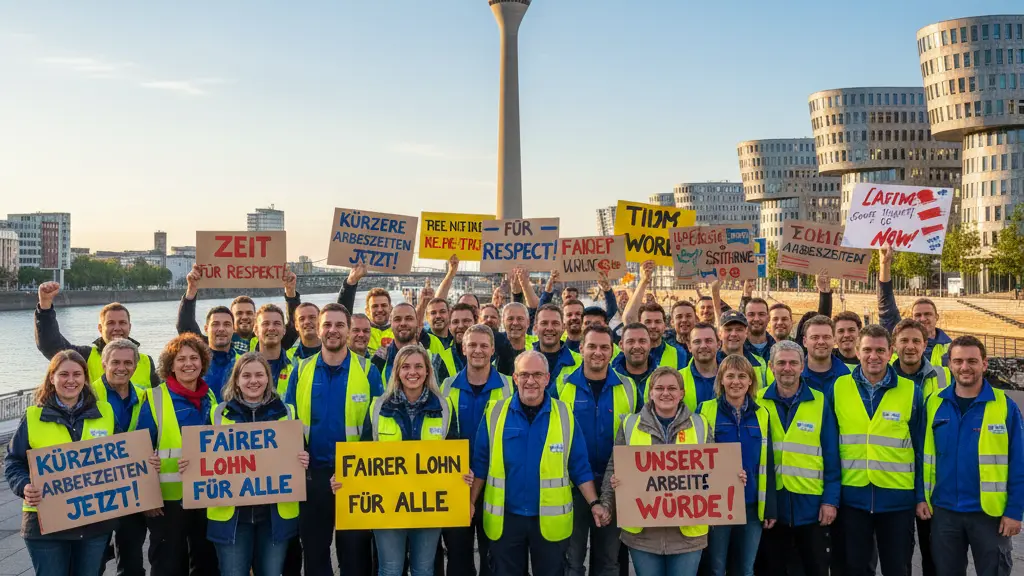
The industrial action is driven by demands for improved working conditions in the public transport sector. Core demands include shorter weekly working hours, longer guaranteed rest periods between shifts, and higher allowances for night and weekend work. In some regions there are also explicit calls for wage increases.
4.1 What this means for services
The combination of full-shift walkouts and limited emergency timetables means most regular bus and Stadtbahn lines will either not operate or run with major gaps. Private bus companies have sometimes provided restricted service during past strikes, but this cannot be relied on as a general solution.
Employers and business groups have criticized the strike demands as unrealistic, warning about possible side effects such as higher operating costs and fare increases. Business associations have described the strikes as disproportionate and called for binding mediation to resolve the dispute. Union representatives counter that the measures are necessary to address long-term staffing pressure and financial burdens on workers.
5. Advice for commuters: alternatives and preparation
If you normally travel by bus or Stadtbahn on March 17, plan for major disruption and give yourself extra time. Expect heavier road traffic as displaced passengers switch to cars or taxis, and anticipate congestion near major transit hubs.
5.1 Practical alternatives to consider
- Work from home if your employer allows remote work for the day.
- Use car sharing, rides with friends or carpools where possible.
- Consider cycling or walking for shorter trips; plan safe routes.
- Check whether regional or long-distance trains are available for parts of your journey (note: provision varies by region).
- Allow extra travel time and avoid tight appointment windows.
5.2 Tips for parents and school transport
In areas where school transport is affected, arrange alternative ways to get children to school or confirm whether schools are offering modified schedules. Community carpooling with other parents can help cover gaps for essential trips.
6. Quick checklist and final notes
Before March 17: check local operator announcements and municipal advisories for emergency timetables, verify whether your city is listed among affected areas, and discuss remote work options with your employer. On the day: leave earlier, use alternatives, and expect delays and traffic jams.
Although the strike targets mostly buses and Stadtbahn/tram services, the ripple effects—congestion, longer travel times and pressure on remaining services—can be felt widely. Stay flexible, plan ahead, and prioritize safety when choosing alternative transport.
Key keywords to remember for follow-up information: public transport strike, warning strike, buses, Stadtbahn, tram, commuter disruption, emergency timetable, NRW, Saxony, Bavaria, Munich, school transport, alternatives, traffic congestion.
