
1. Overview of the strike action
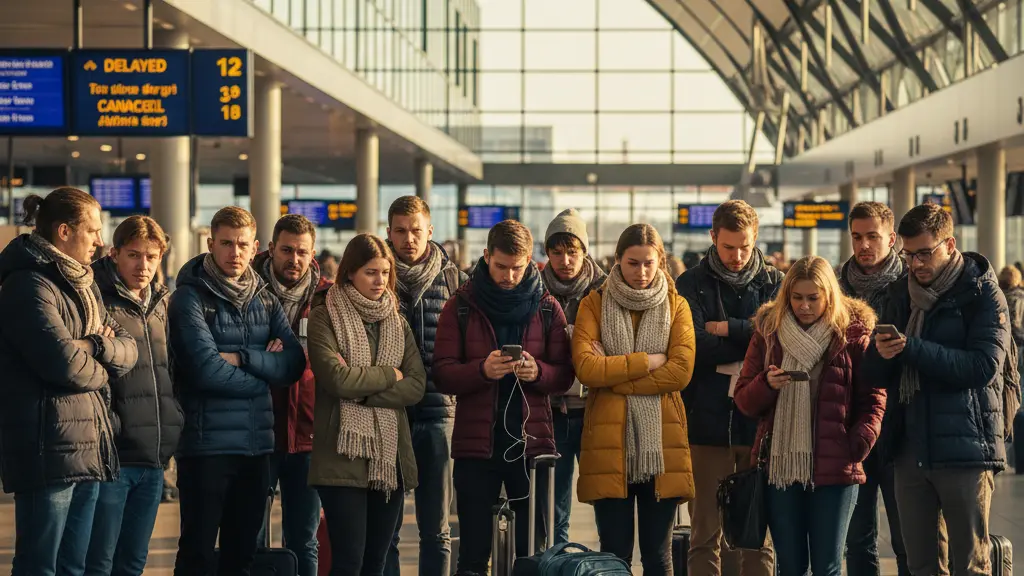
On 18 March 2026 the union Verdi called a full-day warning strike at Berlin Brandenburg Airport (BER). The action led to the complete suspension of passenger flight operations for the day. In total, 445 departures and landings were affected, impacting roughly 57,000 passengers. Travelers were advised to contact their airlines for rebooking and travel updates.
| Key figure | Value |
|---|---|
| Affected flights | 445 departures and landings |
| Passengers affected | about 57,000 |
| Strike date | 18 March 2026 |
2. Why the strike happened — union demands and employer response
The strike was part of ongoing collective bargaining between Verdi and the airport operator (FBB). Verdi is pressing for better pay and working conditions as part of its demands during negotiations.
Union demands
Verdi’s demands include a 6% salary increase or at least 250 euros more per month, plus an additional day off for union members after 12 months. These requested changes are aimed at improving real income and recognition of staff commitments.
Employer response
The airport operator criticized the strike as disproportionate, highlighting concerns about timing and broader context. The employer expressed hope for an agreement and expected further progress at the next negotiation date of 25 March.
3. Impact on passengers and travel rights
When ground operations are halted by a warning strike, many flights are cancelled or cannot be completed. Passengers face disrupted itineraries, missed connections, and lost time. It is important to know what airlines and the airport are required to provide and what compensation may or may not apply.
What airlines must provide
- Rebooking on an alternative flight or refund options for cancelled flights.
- Care and assistance at the airport where applicable (meals, refreshments, communication assistance) while the airline arranges alternatives.
- Further support depending on the airline’s policies and the specific ticket conditions.
Compensation rules in this situation
Because the strike was treated as an external event, automatic statutory compensation for delays or cancellations generally does not apply. That means passengers are unlikely to receive mandatory lump-sum compensation under delay rules. Nevertheless, airlines still have obligations to offer rerouting, refunds, and care.
4. Practical advice for affected travelers
If you were due to travel on the strike day or have upcoming flights, follow practical steps to limit disruption and preserve your rights.
- Contact your airline immediately: check the airline’s notice system, app, or customer service for rebooking or refund options.
- Keep all travel documents and receipts for expenses (meals, accommodation, transport) in case reimbursement is offered or required by insurance.
- Accept alternative transport or rebooking offers that meet your needs; ask the airline about onward connections and accommodation if you are stranded.
- Check travel insurance policies to see if they cover strike-related costs—coverage varies by policy.
- For business travel, notify employers and adjust meetings and transfers as needed; for connecting flights, confirm onward travel as airlines may not guarantee connections affected by airport-wide stoppages.
5. Timeline and next steps in negotiations
The warning strike took place on 18 March 2026. Negotiations between Verdi and the airport operator continued, with the employer indicating an expectation of progress or possible agreement by 25 March. The situation remains subject to further bargaining rounds, and additional actions are possible depending on negotiation outcomes.
6. Broader context and final notes
The airport operator framed the strike as ill-timed given wider international developments referenced at the time, but trade unions described the action as a measured step in collective bargaining. For travelers, the key takeaway is to monitor airline communications, assert rebooking or refund options promptly, and keep records of any expenses incurred. While automatic statutory compensation is unlikely for an externally caused stoppage, airlines must still provide rerouting and support to affected passengers.
