
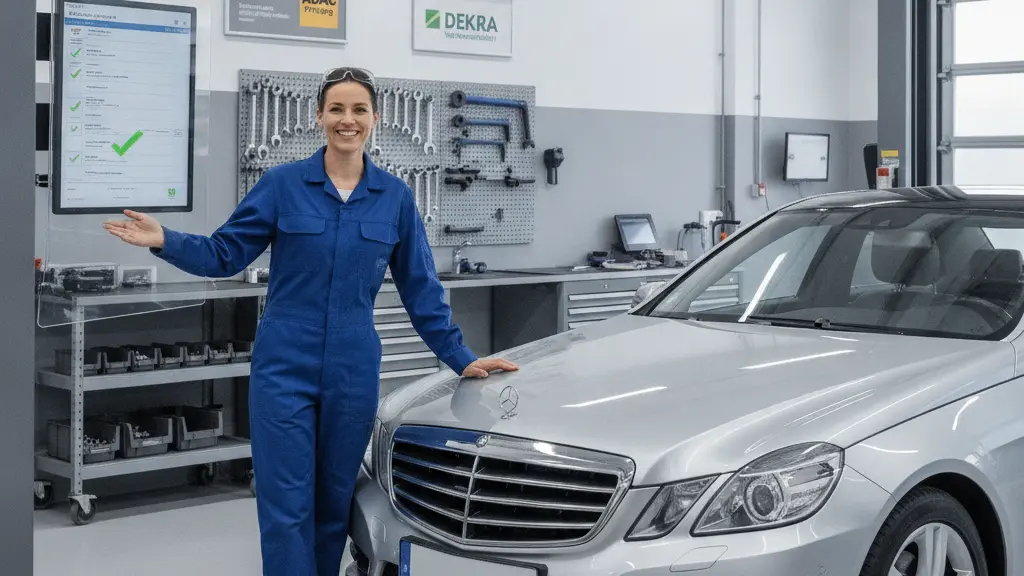
1. Spring check-up for your car: useful service or hidden cost trap?
Many garages advertise a low-cost spring check-up after winter, promising to inspect brakes, tires, battery, fluids and lighting. Technically, a spring check is sensible: winter conditions can stress brakes and suspension, salt promotes corrosion and short trips weaken batteries. A basic vehicle check can help spot issues early and keep you safe on the road.
Why this matters
Safety and vehicle value are at stake. A correct, transparent check protects you and can prevent later breakdowns. But unclear costs and unnecessary repairs harm your wallet. That’s why consumer advice often includes the simple rule: agree to a check, but do not feel forced to sign for repairs on the spot.
At the same time, reports from consumer media and automobile clubs warn that a quick safety check can turn into a costly repair list. Customers sometimes agree to a cheap inspection and are then faced with extensive recommended repairs. The lesson is clear: the spring check itself can be worthwhile, but you should be alert to unclear charges, upselling and pressure to approve expensive work immediately.
2. What a typical spring check includes
A proper spring or post-winter inspection commonly covers a set of basic, safety-relevant items. These checks are reasonable and technically justified after a harsh winter:
- Brakes: pads, discs, brake fluid level and general condition.
- Tires: tread depth, pressure, signs of uneven wear and correct mounting.
- Battery: charge level, terminals, and performance after many short cold starts.
- Fluids: engine oil, coolant, windshield washer fluid and other levels.
- Lighting and signaling: headlights, taillights, indicators and fog lamps.
- Undercarriage and corrosion: salt damage, exhaust and suspension components.
When these checks are clearly needed
Checks are especially important if you notice warning lights, reduced braking performance, battery issues on cold starts, uneven tire wear or visible corrosion. In those cases, an inspection can identify safety-related repairs that should not be delayed.
3. How a spring check can become a cost trap
There are several common patterns where a low-priced spring check leads to unexpected expense. These are often linked to sales pressure, vague explanations and non-transparent pricing.
- Initial attractor: a low advertised price for a basic check draws customers in.
- Expanded diagnosis: a visual inspection is followed by claims of multiple safety-relevant defects.
- Immediate repair push: customers are urged to approve extensive repairs right away under the argument that the car would be unsafe otherwise.
- Unclear cost breakdown: additional works are not explained or listed clearly, and customers feel pressured to sign.
Warning signs to watch for
- Vague descriptions like “urgent work” without technical details.
- No written cost estimate offered before repair work starts.
- High-pressure language: being told you must not drive the car until repairs are done.
- Refusal to let you take the estimate away for a second opinion.
4. Seek a second opinion: when and how
If a spring check results in major repair recommendations, it’s reasonable and sensible to get a second opinion before agreeing to costly work. You have the right to time, information and a written cost estimate.
- Do not sign a repair order under pressure. Leave and consider your options.
- Ask for a written, itemized cost estimate that explains each suggested repair.
- Take photos or notes about the reported defects and keep any written documents or invoices from the check.
- Call or visit another independent garage or an unbiased vehicle inspection service to compare diagnoses and prices.
- If available and relevant, use an independent club or testing centre for a neutral vehicle check to confirm what really needs doing.
Quick steps you can take on the spot
- Request the scope of the spring check in writing before it starts.
- If recommended repairs sound extensive, ask the workshop to hold off until you get a written quote.
- Phone for a second opinion—many experts can give quick guidance based on the symptoms described.
5. Independent checks and neutral advice (the role of an automobile club)
Independent vehicle inspectors and automobile clubs provide neutral assessments without a commercial interest in selling repairs. That independence reduces the conflict of interest that can exist when a workshop both diagnoses and performs repairs.
Benefits of a neutral second opinion
- Objective assessment: no sales targets or repair incentives.
- Detailed written report you can use to compare quotes.
- Technical explanations from specialists that help you decide on necessary work.
- Peace of mind: you avoid unnecessary repairs and spot upselling.
Neutral checks typically include a detailed report on bodywork, brakes, electronics and other systems. Some inspection centres offer comprehensive used-car checks and technical advice before purchase or before ordering larger repairs. Their job is to assess condition and give clear recommendations, not to sell you additional services.
6. Practical checklist and next steps
| Action | Why it matters |
|---|---|
| Ask for the check scope in writing | Prevents surprises and clarifies what is included in the price. |
| Get an itemized written estimate for any repairs | Allows comparison and helps you seek a second opinion. |
| Refuse immediate pressure to sign for work | Gives you time to verify whether repairs are necessary. |
| Use an independent inspection if unsure | Neutral experts can confirm faults and recommend the right fixes. |
| Keep receipts and documentation | Useful for warranty, complaints or future resale value. |
| Simple steps protect safety and your wallet | |
In short: a spring check can be a smart, cost-effective way to find winter damage early and keep your car safe. But to avoid the cost trap, insist on clear information, written estimates and the right to seek a second opinion. When in doubt, an independent vehicle check — for example from a neutral inspection service or automobile club — will help you decide which repairs are truly necessary.
Final takeaway
Check yes, but informed: use the spring car check to protect safety and value, and if extensive repairs are recommended, take the estimate away and get a second opinion. Transparency, written cost breakdowns and neutral advice are your best protection against unnecessary expense.
