
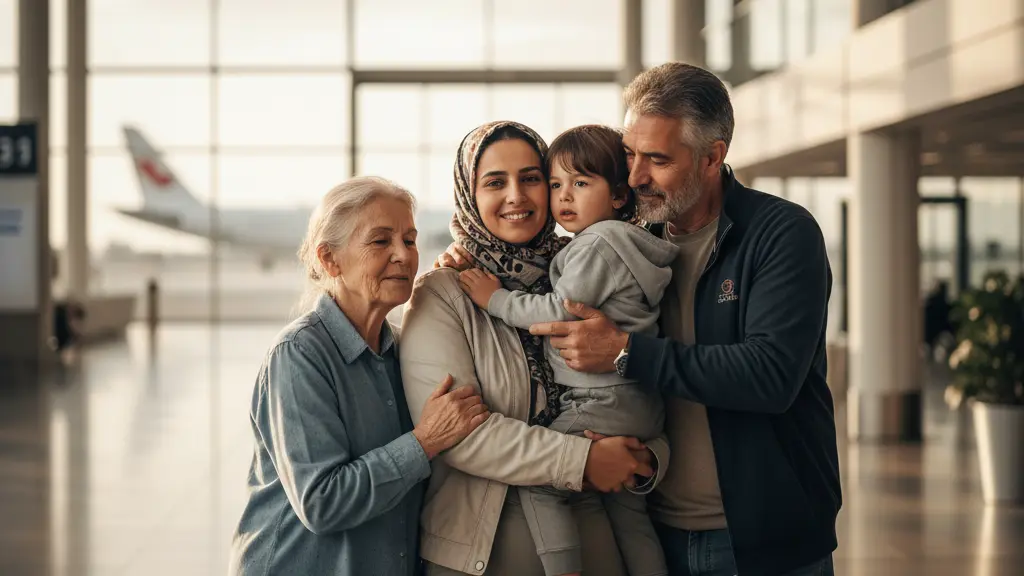
Overview of the Evacuation Flight
In the early morning of 5 March 2026, the first German evacuation flight from the crisis-hit Middle East arrived at Frankfurt Airport. The aircraft, a Lufthansa Airbus A340-300 operating as flight LH345, had departed around midnight local time from Maskat in Oman and carried more than 250 people. The flight marked the start of a government-organized repatriation effort amid a rapidly escalating Iran-related war.
Regional context and why the evacuation was needed
The evacuation comes amid an intense regional escalation after US and Israeli military strikes, including a so-called ‘decapitation strike’ against high-level leadership figures. Iran responded with missile attacks on Israel, the Iraq region and other Arab states. The cycle of attacks and counterattacks, including the destruction of missile launchers and reported drone engagements, left tens of thousands of Germans stranded across multiple countries.
German authorities say more than 30,000 people are registered on the foreign office’s crisis precaution list Elefand, though they believe the actual number of Germans in the region is much higher. The security situation and widespread airspace restrictions made coordinated evacuations urgent.
The flight took about seven to eight hours, as is normal for the route, and brought vulnerable German citizens back home. The evacuation is part of a broader repatriation program that aims to get stranded Germans out of the region as civil and military tensions rise.
Details of the First Flight and Prioritization
The first evacuation flight, LH345, prioritized so-called vulnerable groups: pregnant people, the elderly, those with serious illnesses and families with young children. Federal Foreign Minister Johann Wadephul emphasized that the government selected passengers according to need and prioritized people who required immediate help.
| Flight | Aircraft | Route | Passengers | Notes |
|---|---|---|---|---|
| LH345 | Airbus A340-300 | Maskat – Frankfurt | More than 250 | Prioritized vulnerable passengers |
| Next scheduled flights | — | Maskat – Frankfurt | ~200 each | Planned for Thursday and Friday |
| Chartered flights | Various | Riyadh – Frankfurt (collection legs) | Varies | Supplement government flights |
| Flight time | Approximately 7–8 hours Maskat–Frankfurt | |||
Authorities announced that further flights are planned in the coming days. Two additional scheduled flights from Maskat to Frankfurt were planned for Thursday and Friday, each carrying around 200 people. These actions are supplemented by chartered planes that operate routes to Riyadh in Saudi Arabia to collect more evacuees.
Airspace Closures and Airline Reactions
Regular air traffic across large parts of the Middle East is largely suspended. Airspaces over Iran, Iraq, Israel, Lebanon, Jordan, Kuwait, Bahrain, Qatar and parts of Saudi Arabia are closed. Airlines and groups have adjusted routes or temporarily suspended services to avoid these areas.
- Closed or restricted airspace: Iran, Iraq, Israel, Lebanon, Jordan, Kuwait, Bahrain, Qatar and parts of Saudi Arabia.
- Major airlines rerouting or suspending flights; special repatriation services in operation.
- Chartered flights in use to reach staging points such as Riyadh and Maskat.
The Lufthansa group announced it would avoid the affected airspace at least until 8 March. Other carriers in the region, including major Gulf airlines, adapted schedules and operated special flights where possible to help get passengers home. Travel companies and tour operators are also heavily involved in organizing return trips and repatriations.
Political Responses and Debates
The evacuation effort takes place against a background of political disagreement at home and abroad. Germany’s Defence Minister Boris Pistorius rejected any Bundeswehr involvement in the evacuations, while the government focused on civilian-led arrangements and the protection of German citizens.
German political voices
Vice-Chancellor Lars Klingbeil raised doubts about the legal character of some of the US strikes and called for negotiations as a way to reduce further escalation. At the same time, Foreign Minister Johann Wadephul underlined that the immediate priority was to safeguard vulnerable Germans and to continue organized returns.
International rhetoric
On the international side, US defense officials signaled continued military pressure. Statements from senior US figures included warnings of further and larger waves of action, reflecting a hardline posture in the conflict and underscoring the unpredictability that complicates evacuation planning.
Impact on German Citizens and Registration
Tens of thousands of Germans found themselves stranded as the crisis intensified. The Federal Foreign Office uses the Elefand crisis precaution list to track and assist citizens abroad; more than 30,000 names were on that list, though authorities expect the true number of Germans in the region to be significantly higher.
- Register with the foreign office or consular service if you are still in the region.
- Keep travel documents and medical records ready for quick departures.
- Follow local security instructions and airline or tour operator updates.
Registration and up-to-date contact information are essential for those who still plan to leave. Travel arrangements are changing quickly, and being visible to consular services or travel companies speeds up help and inclusion on evacuation flights.
Logistics and What to Expect Next
The first flight is only the beginning of a series of returns. Additional government-organized flights and charters are planned, but schedules depend on the security situation and available air corridors. Expect changes at short notice and possible re-routing to safe hubs such as Riyadh or other regional airports acting as collection points.
Passengers should prepare for standard long-haul flight conditions and potential delays. Authorities emphasized that the repatriation process will continue in the coming days and weeks as needed.
Practical Advice for Evacuees and Families
For Germans awaiting evacuation or caring for family members returning from the region, simple preparation helps. Keep important documents to hand, prepare for health needs, and expect quick changes to flight plans. Reunions at home may follow intense travel and frightening alarms abroad.
- Keep passports, ID, and any medical documents easily accessible.
- Notify family members and register with relevant consular services.
- Follow airline and government instructions; be ready for last-minute changes.
Conclusion: A First Step in a Changing Crisis
The arrival of LH345 in Frankfurt is the first step in a larger repatriation effort to protect German citizens from an unstable and rapidly changing conflict zone. While the flight brought home many vulnerable people, authorities stress that larger-scale evacuations and continued support will be necessary as the situation develops.
Families and those affected should stay informed through official channels, keep contact details current, and follow guidance from consular services and travel providers as further flights are organized.
