
Latest Test Highlight: Stiftung Warentest 2026 Results
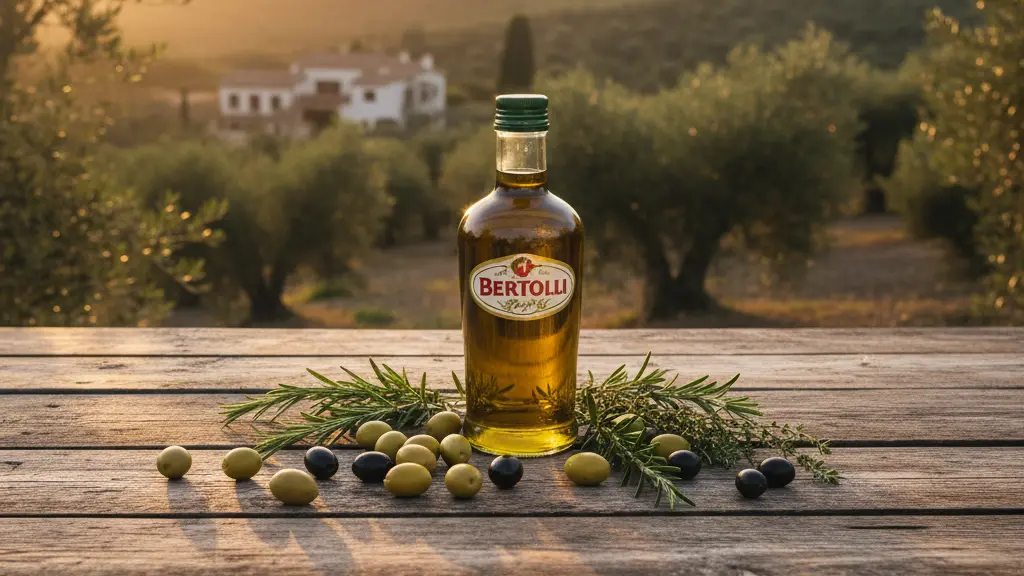
In the most recent olive oil test by Stiftung Warentest in 2026, Bertolli native olive oil extra Originale achieved a strong top-4 placement among 25 tested products. The product received an overall grade of good (2.5), with specific praise for its balanced taste profile (good (2.3)) and its chemical quality (good (2.0)).
| Item | Detail |
|---|---|
| Test | Stiftung Warentest 2026 |
| Product | Bertolli native olive oil extra Originale |
| Rank | Top 4 of 25 |
| Overall Grade | good (2.5) |
| Taste Profile | good (2.3) |
| Chemical Quality | good (2.0) |
| Quality Controls (as stated) | Annual testing of 20,000 samples and analysis of 26 parameters |
| Past Awards | DLG Gold Quality Prize 2024 & 2025 |
| Tested Products | 25 |
These results build on earlier successes: the brand performed well in tests from 2020, 2021, 2023 and 2025 and earned the DLG Gold Quality Prize in 2024 and 2025. Tomislav Bucic, General Manager of Deoleo Germany, commented: “We are proud of the strong result in the current olive oil test. Also this year a top placement and the overall grade GOOD (2.5) is a significant achievement – especially given the global challenges in the olive oil market.”
What the Test Says About Quality and Taste
The 2026 Stiftung Warentest assessment highlights two central aspects of olive oil quality: sensory performance (taste profile) and laboratory metrics (chemical quality). A combined evaluation that rates taste as good and chemical indicators as good suggests a balanced product with acceptable authenticity and technical quality according to the test criteria.
Taste and Chemical Quality Explained
Stating a good (2.3) taste score indicates an olive oil that judges found well balanced in aroma and flavor. The good (2.0) chemical quality implies laboratory results met or exceeded the standards assessed by the testers. According to the press release, the brand emphasizes rigorous quality control, including broad sample testing and analysis across many parameters beyond legal minimums to support authenticity claims.
- Key keyword: olive oil quality — both sensory and chemical checks matter.
- Look for published test grades to understand taste profile and lab compliance.
- Authenticity is supported by extensive parameter testing when brands disclose it.
The ‘Best Buy’ to ‘Poor Quality’ Puzzle
The idea implied by the headline—an olive oil going from a “Best Buy” or “Preistipp” one year to “poor” or “mangelhaft” the next—is not supported by the available context for this specific product. The provided sources document positive outcomes for this brand in 2026 and previous years. No source in the supplied context shows a recent dramatic drop to a failing grade for this product.
- Check the original 2026 Stiftung Warentest report for full details and methodology.
- Compare multiple years of independent test results to identify trends rather than single-year swings.
- Look for corroborating independent lab reports before concluding a sudden quality drop.
Because the opposite claim (a fall from “best buy” to “poor quality”) appears in the request but is not present in the available material, this discrepancy likely reflects incomplete search results or missing contrasting reports. Without additional independent evidence showing a decline or a failing grade, the contrasting narrative cannot be confirmed from the provided context.
How Consumers Can Verify Olive Oil Quality
If you want to verify claims about olive oil quality, rely on independent test organizations (like Stiftung Warentest) and on transparent brand information. In this case, the brand cites extensive internal quality controls—annually testing 20,000 samples and analyzing 26 parameters—which can be a helpful data point when available alongside independent test results and awards.
Practical verification steps
Use a combination of independent tests, brand-published quality control information, and recognized awards to form a clear picture. Single headlines implying dramatic changes should be checked against the underlying test details and multiple sources.
- Compare the latest independent test scores across brands and years.
- Look for brands that publish their testing scope (sample numbers and parameters).
- Consider recognized awards as supplemental information, not sole proof of consistent quality.
Conclusion
Based only on the provided context, the 2026 Stiftung Warentest results show this olive oil as performing well overall, with good marks for taste and chemical quality and a top-4 placement among 25 products. The dramatic narrative of a drop from “best buy” to “poor quality” cannot be substantiated from these sources. Consumers should check independent test reports, brand quality disclosures, and multiple years of data before drawing conclusions about sudden quality changes in olive oil.
