
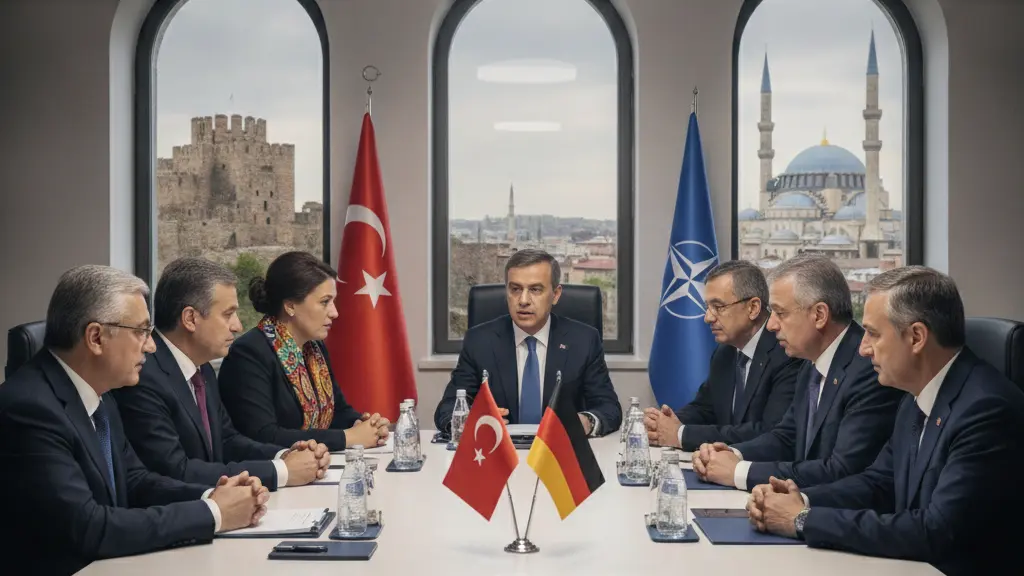
NATO summit in Ankara: a stress test for the alliance
Leaders of the 32 NATO countries met in Ankara for a summit that many describe as a stress test for the alliance. The meeting is seen as a measure of how allies handle big questions: long-term support for Ukraine, defense spending and the political factor of Donald Trump. The summit agenda put Ukraine aid at the center, with plans discussed for a multi-year package that would commit substantial funds and raise the persistent debate about fair burden sharing between the United States and European NATO members.
Ukraine aid and defense spending under scrutiny
A major item on the table is a proposed package of long-term commitments for Ukraine, described as at least €70 billion per year over two years. Some of these amounts overlap with already planned EU defense-related funding through 2027, but on top of that NATO states would likely need to provide roughly another €80 billion from their national budgets. That arithmetic feeds directly into the long-running debate about how much each ally contributes to collective security and how to balance national budgets with strategic commitments.
Donald Trump and alliance dynamics
Donald Trump loomed over the summit. In the run-up, he criticized European allies for allegedly underspending on defense, adding pressure to an already tense atmosphere. NATO Secretary General Mark Rutte tried to calm those public attacks. Analysts noted a shift in tone: some European states appear less inclined to appease Trump and more focused on stabilizing the alliance for a post-Trump era. Still, many commentators framed the summit as a critical moment: can the alliance reconcile internal disagreements while keeping a credible deterrence posture?
Germany’s health savings package: pressure on long-term sick and the system
Back home, German politicians debated a health savings package intended to stabilize statutory health insurance finances. The proposed measures include stronger possibilities for health funds to intervene with people who receive long-term sick pay. That could mean tighter medical checks and stricter reintegration requirements for people with prolonged work incapacity. Supporters call this a push for efficiency and fewer perverse incentives; critics see a risk that fiscal goals will override humane treatment and meaningful rehabilitation.
How the reform affects long-term patients
The core concern is that people with unclear or long-term prognoses may face increased pressure. Proposed tools would give health insurers more authority to review cases and demand faster return-to-work efforts. Experts quoted in coverage doubt whether these measures will improve rehabilitation outcomes or simply cut costs. For many long-term patients, the changes could mean additional stress as they navigate job loss risk, complex rehabilitation processes and potential reductions in support.
Public reactions, warnings and organized criticism
Reactions were strong across social media, health associations and consumer advocates. Campaigns warned of a potential collapse of health services if cost savings are pushed onto care staff or if personnel requirements are loosened. A national health association argued that a law labeled “contribution rate stabilization” must actually contain effective stabilizing measures; otherwise public trust in solidarity-based insurance could erode and contributions might rise. Consumer protection groups were especially alarmed that the reform could disproportionately affect vulnerable, long-term sick people.
- Warnings on social media about pressure on care personnel
- Calls from health funds for meaningful stabilization measures
- Consumer advocates’ fear of added strain on long-term patients
TV football experts: a lighter but revealing public stage
During the World Cup pause, media coverage shifted to a lighter topic: which TV football experts best explain the game. With rest days in the tournament schedule, broadcasters and audiences used the break to assess studio hosts, commentators and former players who appear as experts. This ranking culture is part entertainment, part serious evaluation of how the sport is presented to the public.
Who are the expert faces on TV?
Major broadcasters filled their studios and commentary boxes with well-known names from the sport. Some channels featured former international stars as studio analysts, others relied on experienced commentators and presenters. Viewers noticed different styles: calm and analytical experts, loud and emotional personalities, and tactical thinkers who break down plays in detail. The variety gave audiences plenty to discuss during the tournament pause.
Public polls, rankings and the debate over who performs best
Outlets ran polls and produced rankings of TV experts, describing personalities with simple character tags—”calm,” “loud,” “smart.” Readers and viewers voted and commented, praising some experts for measured analysis and criticizing others for style or perceived mistakes. The media conversation ranged from friendly debates about who explains the game best to sharp takes that treat expert performance almost like competitive sport.
- Audience polls asked which TV expert people preferred.
- Rankings labeled experts with short, memorable traits.
- Discussion included both analysis quality and on-screen personality.
Connecting the dots: politics, health reform and public distraction
The morning news picture combined three distinct but connected themes: a high-stakes NATO summit focused on Ukraine aid, defense spending and the role of Donald Trump; a domestic health savings package that may increase pressure on long-term sick people and strain trust in the health system; and a cultural pause around the World Cup driven by rankings of TV football experts. Together these stories show how large geopolitical decisions, national budget choices and popular entertainment all compete for public attention and shape how people see priorities.
In plain terms: billions in defense commitments and big strategic decisions at an international level can feel very far from the immediate worries of patients and care workers dealing with a contested health reform. At the same time, popular sports coverage offers a temporary respite but also reflects broader patterns of public judgment and debate. Understanding these three strands helps make sense of why conversations about security, social policy and media culture are all so heated right now.
