
1. Overview of Leipzig Pride Parade for LGBTQ+ Rights
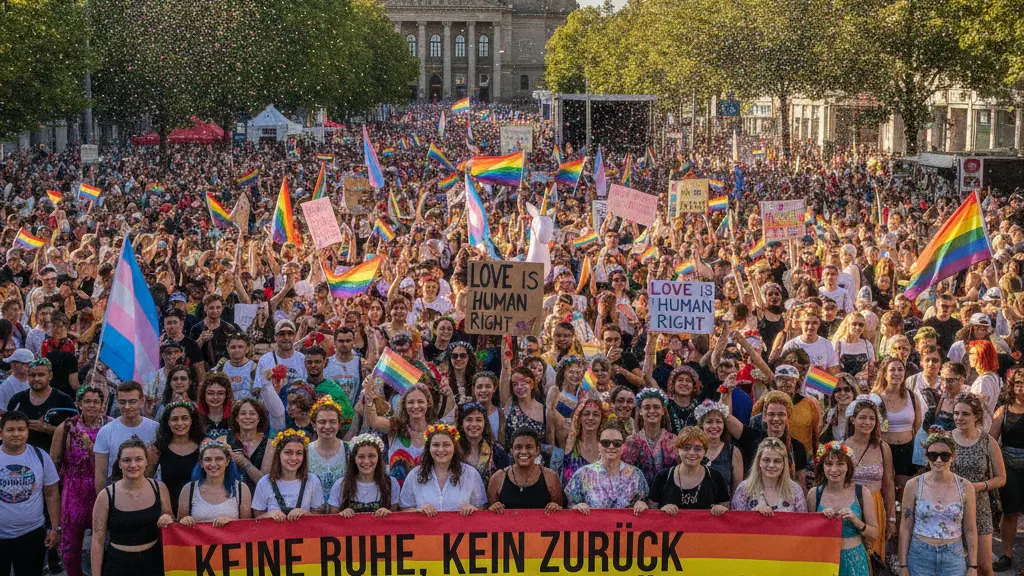
The Leipziger Christopher Street Day 2026 is the highlight of a week-long CSD program and takes place under the motto „Keine Ruhe, kein Zurück – Queere Rechte Stück für Stück!“ (No rest, no back – queer rights piece by piece). The event combines a political rally, a demonstration through Leipzig city center, and a large street festival with stages, performances and information stands. Media reports and organizers cite between roughly 18,000 and 20,000 registered or expected participants; the city of Leipzig reports 18,000 registrations while several reports and the organizer estimate about 20,000.
Participation and scale
The parade and accompanying events attracted large crowds, reflecting both the political weight and the festive atmosphere of CSD Leipzig 2026. Attendance numbers vary depending on the source, but the event clearly drew tens of thousands and became one of the major public demonstrations and celebrations for LGBTQ+ rights in the city.
Atmosphere and tone
Organizers emphasize the political character of the CSD as a protest against discrimination, invisibility and violence, while the festival elements — stages, drag shows, information booths and a livestream — create a joyful, inclusive and public city celebration.
2. Program and highlights
The Leipziger CSD program week culminates in a full-day event that mixes activism and entertainment. Key program elements combine a public demonstration with cultural and informational offerings to engage both participants and the broader public.
- Rally and speeches at the opening gathering
- Demonstration parade through the inner city ring
- Street festival at Augustusplatz with stages and live performances
- Drag show as part of the entertainment program
- Information booths and civil society stalls
- Livestream to reach audiences who cannot attend in person
3. Political message and demands
At its core, Christopher Street Day Leipzig 2026 is a political protest. The organizers and participants make clear demands for stronger queer rights and protections and use the visibility of the parade to oppose discrimination, social invisibility and violence against LGBTQ+ people.
Key themes emphasized by organizers
- Protest against discrimination in all forms
- Calling attention to the invisibility of queer lives and experiences
- Condemning and demanding protection from violence targeting LGBTQ+ people
- Advancing the motto: building queer rights step by step
4. Parade route, meeting point and city impact
The procession begins at Augustusplatz, follows the inner-city ring through Leipzig’s downtown, and returns to Augustusplatz where it flows into the street festival. This central route made the demonstration highly visible across the city center and was accompanied by significant traffic restrictions and area closures.
| Item | Details |
|---|---|
| Start and finish | Augustusplatz |
| Route | Through the inner-city ring of Leipzig, returning to Augustusplatz |
| Estimated participants | City reports 18,000 registrations; other sources and organizers estimate about 20,000 |
| Event type | Political demonstration and street festival with stages, drag show and information booths |
| City impact | Significant traffic restrictions and closures in the city center |
Traffic restrictions and public effects
The central parade route and festival at Augustusplatz required road closures and temporary traffic changes across the inner city. Residents and visitors experienced restricted car access and altered transit near the demonstration corridor during the event.
5. Historical background and significance
Christopher Street Day traces its name and political roots to the uprising on Christopher Street in New York in 1969. Several sources highlighted this historical connection during the Leipzig event, underscoring how CSD events honor the legacy of resistance that sparked modern LGBTQ+ pride and rights movements.
The meaning of Christopher Street Day
By referencing the 1969 Christopher Street events, Leipzig’s CSD links local demands for queer rights to an international history of protest and solidarity. This historical framing reinforces the protest dimension of the parade while celebrating the achievements and resilience of LGBTQ+ communities.
6. How to experience the event
Leipzig’s CSD 2026 was designed as both a demonstration and a city-wide festival. Visitors could join the rally and march, enjoy the stages and drag show at the street festival, visit information booths provided by organizers and NGOs, or follow parts of the event via the livestream. The combination of protest and celebration makes the event accessible to participants who want to support LGBTQ+ rights in different ways.
7. Conclusion
The Leipziger Christopher Street Day 2026, with its motto „Keine Ruhe, kein Zurück – Queere Rechte Stück für Stück!“, brought together thousands of people to demand queer rights and to celebrate LGBTQ+ life. Blending a clear political message against discrimination, invisibility and violence with a large street festival, performances and information programs, the event was both a powerful protest and a joyful public gathering in the heart of Leipzig.
