
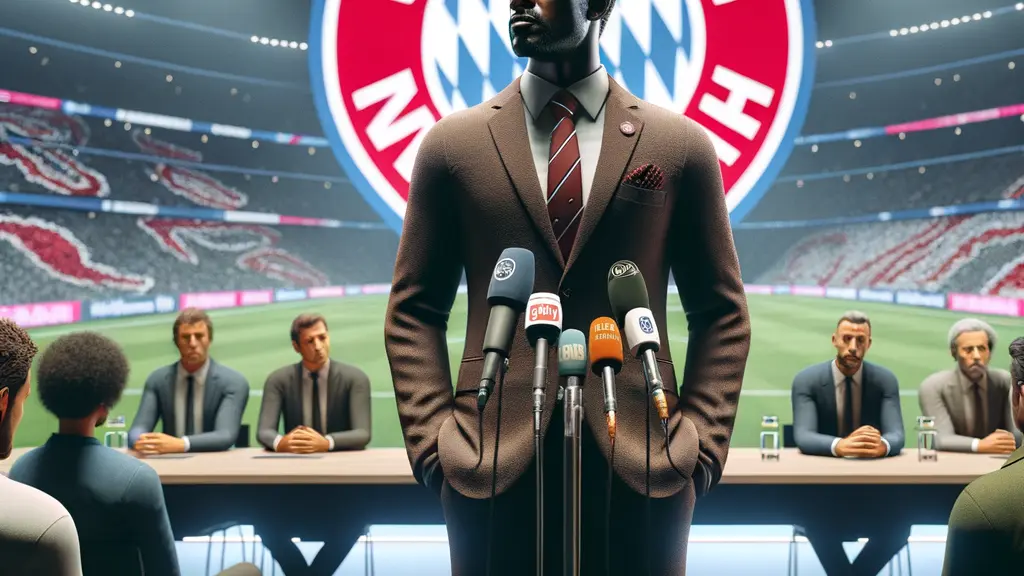
Context and Kompany’s Statement
On 20 February 2026, Bayern Munich coach Vincent Kompany delivered an emotional twelve-minute statement at a press conference before the game against Eintracht Frankfurt about an alleged racism incident that occurred during the Champions League match between Benfica and Real Madrid. Kompany, who watched the incident live, made it clear that he stands behind Real star Vinícius Júnior and emphasized that the player’s reaction could not be faked. Kompany said, ‘His reaction cannot be faked. There is absolutely no reason for Vin Jr. to go and do this.’ His remarks focused on racism, leadership, and the need for honest reflection.
What happened in Lisbon
During the 1:0 match, Vinícius Júnior celebrated after scoring and later accused Benfica player Gianluca Prestianni of calling him a monkey in Spanish. Prestianni vehemently denied the accusation and pulled his shirt over his mouth while stadium spectators reportedly made monkey gestures. Kylian Mbappé later confirmed the insult, and UEFA opened an investigation into the incident. The conflicting accounts, public gestures, and the serious nature of the allegation made the episode a flashpoint in conversations about racism in football.
Kompany’s Personal Experience and Leadership View
Speaking from personal experience, Kompany recalled racist incidents he faced as a player in Sevilla and at Betis, where ultras made monkey noises, and later as a coach at Club Brugge, where members of his staff were taunted with ‘brown monkeys’ without apparent consequences. He criticized Benfica coach José Mourinho for calling Vinícius’ celebration ‘disrespectful’ and for defending Benfica by invoking past figures like Eusebio. Kompany called Mourinho’s public remarks a leadership error and stressed that leadership requires careful, responsible responses to such sensitive matters. He also said, ‘I know he’s a good person but he’s made a mistake,’ underlining that criticism can come from a place of holding people to account rather than personal attack.
Support within Bayern
Bayern president Herbert Hainer praised Kompany’s statement as ‘intelligent, well-considered and exactly on point,’ saying it had shaken many people and given them courage. Hainer described Kompany as ‘a great guy’ on and off the pitch. The reaction around Kompany’s speech was largely one of recognition and support rather than division, reflecting how influential comments from a major coach can shape public debate about racism and sportsmanship.
Lessons, Next Steps, and the Wider Debate
Kompany highlighted the wider social polarization around issues of race: ‘There is always only left and right, black and white,’ he noted, asking for space for apologies and reasoned responses rather than immediate, unfair punishments. His appeal was for measured dialogue that supports victims while allowing for accountability and the possibility of apology where appropriate. That balance—between defending players who say they were targeted and ensuring fair processes—is central to the current debate.
Key takeaways
- Stand with players who report racist abuse and take allegations seriously.
- Investigate thoroughly and transparently through the proper authorities, such as UEFA in this case.
- Leaders must respond responsibly: criticism should not excuse racist behavior, and public comments should avoid inflaming tensions.
- Create clear consequences for racist acts while allowing space for sincere apologies and education.
- Work to reduce societal polarization and promote constructive conversations about race, sport, and leadership.
With UEFA investigating the Benfica–Real Madrid incident, Kompany’s intervention is a reminder of the roles that coaches, clubs, presidents, and governing bodies must play in addressing racism. Clear investigations, transparent consequences when racism is proven, and leadership that condemns abuse are crucial. At the same time, Kompany’s call for room for apologies points to the need for leadership that opens space for learning and reconciliation while refusing to tolerate racist behavior.
