
International Children’s Day: More than a Celebration
International Children’s Day on June 1 is a moment to celebrate children, remind society of children’s rights, and show the joy of childhood through festivals and creative activities. But beyond colorful events and stage programs, the day should remind us that children’s rights and needs require year-round political commitment. The debates around this day underline a gap between symbolic celebration and the concrete investments necessary to secure education, childcare, health, and social participation for all children and young people.
History and purpose
The day traces its roots back to early child welfare movements in the 1920s and has long been used to highlight the wellbeing of children. In many countries it serves as a reminder that children’s rights are earned and must be actively protected. In practice, International Children’s Day functions as both a commemorative moment and an opportunity for communities and institutions to present projects and data that show how well public systems support families, childcare, and education.
Celebrations and Everyday Challenges
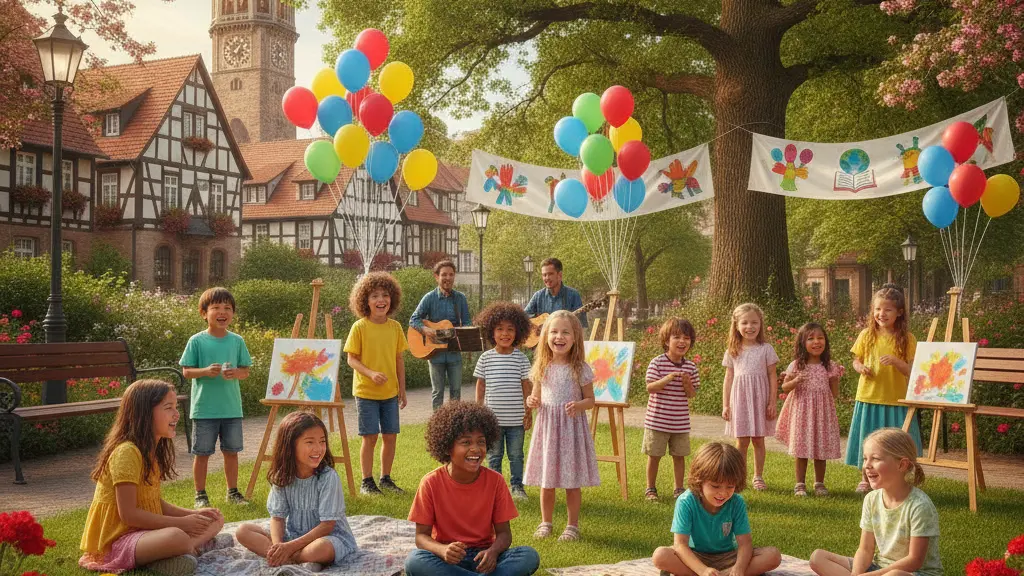
Many municipalities mark the day with family-friendly programs: playful stations about rights, participatory activities for schoolchildren, creative workshops, and events that combine fun with learning about rights and civic participation. At the same time, everyday stresses for families — like limited summer childcare, rising kindergarten fees, and insufficient support for single parents — are often raised publicly. These practical problems reveal that festivities alone cannot replace reliable, well-funded public services.
- Playful learning stations where children explore their rights.
- Stage programs that bring communities together.
- Family information stands about local childcare and social services.
- Participatory offers that give children a voice in local decisions.
Social Media, Protests, and the Public Debate
Social media and local demonstrations often push the day beyond celebration into political debate. Videos and posts show families protesting in front of regional parliaments for better summer care and more affordable childcare. Parents and advocacy groups criticize fee increases and call for income-related contributions, arguing that higher or unaffordable costs limit parents’ ability to work and endanger long-term financial security, especially for mothers.
The youth perspective and education funding
Young people add their own concerns: surveys and reports highlight growing worries about education costs, training support, and future prospects. Debates around student financial support show that many young people feel blocked by financial barriers, which can lead to discouragement or even plans to leave the country. For meaningful change, public investment must include reliable training and study support so that background or income does not determine opportunity.
Where Investment Matters Most: Key Policy Demands
Progressive voices and family advocates argue that investments should go beyond symbolic recognition and target structural needs. Priorities include expanding free or income‑graded childcare, ensuring accessible full‑day schooling, strengthening school social work and psychosocial services, creating dependable summer care, and reforming student financial aid. These measures aim to secure education, reduce child poverty, and support families in everyday life.
- Free or income‑adjusted early childhood education and daycare to reduce financial barriers.
- Universal access to all‑day school and after‑school care to support working parents.
- Summer care programs so parents do not face untenable childcare gaps.
- Expanded school social work and mental health services for children and adolescents.
- Child‑centred minimum income measures and an armoured child basic security to fight child poverty.
- Reliable, sufficiently funded student support to prevent education-related dropouts and inequality.
| Investment area | Expected benefit |
|---|---|
| Free or income‑graded childcare | Higher parental employment, reduced child poverty, more equal educational starts |
| All‑day schooling and summer care | Better child supervision, improved learning outcomes, reduced family stress |
| School social work & psychosocial support | Early help for mental health and social issues, improved school retention |
| Reliable student financial support | Equal access to higher education and vocational training |
| Total focus | Long‑term social and economic returns from investing in children and youth |
Local Action: Turning Rhetoric into Reality
Communities can use International Children’s Day to involve children directly in local decision‑making and to showcase long‑term programs that support families. Events that teach children about their rights while promoting participation help build civic awareness. At the same time, local authorities must pair these activities with durable funding plans so that projects do not remain one‑off gestures but become stable parts of municipal services.
- Assess local childcare and summer care needs through surveys and data collection.
- Secure multi‑year budgets for childcare, school social work, and youth services.
- Implement income‑based fee systems to prevent exclusion.
- Create partnerships between schools, social services, and community groups to expand offers.
- Involve children and adolescents in planning and evaluating services.
How Citizens Can Help: Everyday Advocacy
Civic engagement is essential. Citizens, parents, and youth can press for concrete budget decisions that prioritize children and young people. Advocacy does not only mean protesting; it includes attending local meetings, contacting representatives, supporting campaigns for free or fair childcare, and voting with children’s needs in mind. Consistent pressure helps turn symbolic commitments into lasting policy changes.
Practical steps to raise your voice
- Attend local family and youth events to show support for investment priorities.
- Contact municipal and regional representatives with clear requests for budget allocations.
- Support or volunteer with local child welfare and education initiatives.
- Share evidence and personal stories that highlight gaps in childcare, summer care, and student support.
- Encourage schools and youth organizations to involve children in local planning.
Conclusion: Invest in Our Future, Every Day
International Children’s Day should be a reminder that children and young people deserve attention 365 days a year. Celebrations and historical remembrance matter, but real progress requires sustained public investment in childcare, education, psychosocial support, and social security for children. Prioritizing these investments is both a social justice imperative and a strategic response to demographic and economic challenges. When we invest in children and youth, we invest in a healthier, fairer, and more prosperous future for everyone.
