
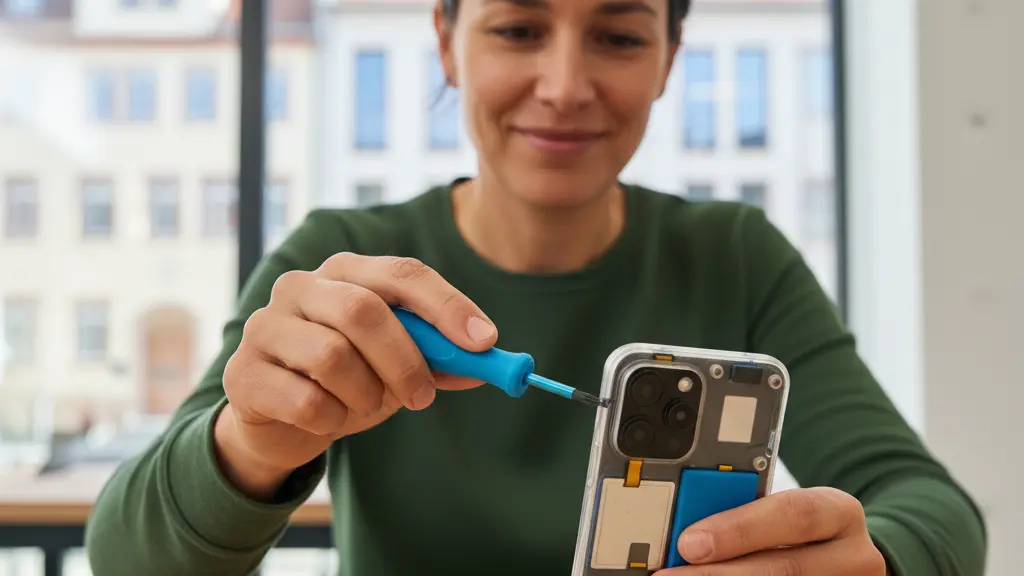
1. What is changing in Germany in 2026?
Germany is implementing an EU directive that makes it easier for consumers to have household appliances and many electronic devices repaired. The national law was advanced by the cabinet and aligns with the EU timeline to be transposed by 31 July 2026. The new rules create a clear right to repair during the usual service life of a product, independent of the formal guarantee period. This change strengthens consumer rights, encourages repairability, and aims to reduce waste by keeping devices in use longer.
2. Which devices are covered?
The law covers many common household and electronic products. Coverage focuses on devices that are routinely repaired and replaced in everyday life.
- Washing machines and dryers
- Dishwashers and refrigerators
- Vacuum cleaners
- Smartphones, tablets and computers
- Printers
- E-bikes
3. Key rules for manufacturers and consumers
The new rules set out obligations for manufacturers and protections for consumers. They aim to make repair a realistic, affordable option and to prevent design choices that block repair.
- Manufacturers must provide spare parts for 7–10 years after production end.
- Repair must be available at reasonable cost.
- Design must avoid technical or software locks that block repair.
- Guarantee extensions apply when repair is chosen over replacement within the initial warranty period.
Repair services and spare parts
Manufacturers must offer repair services at reasonable prices and supply replacement parts for a defined period after production ends. Typical requirements call for parts to be available for around 7 to 10 years after the product leaves production, so repair shops and independent technicians can keep devices functioning.
Warranty, guarantee and defects
If a consumer chooses repair instead of replacement during the two-year statutory guarantee (Gewährleistung), the warranty period is extended—most texts indicate an extension to three years, while some sources describe an additional 12 months. A product is considered defective when it would normally be repairable but cannot be repaired, which triggers consumer warranty rights.
Design and software restrictions
Products must be designed to be repair-friendly. The law discourages technical locks such as permanently built-in batteries or software barriers that prevent independent repair. New construction duties apply to products bought after the legal start date, while consumer rights for existing devices become effective retroactively from the end of July 2026.
4. How consumers will find repair services
An online platform will be established to help consumers locate authorized repair workshops and Repair Cafés in their area. The platform, together with a repairability index introduced earlier, aims to make it easy to compare how repairable different models are before buying or seeking service.
- Use the repairability index (ratings A to E) to compare products.
- Search the online platform for local workshops and Repair Cafés.
- Ask for written quotes that separate labor and spare part costs.
- Prefer original parts when available and check price reasonableness.
5. What this means in practice — rights and timelines
The right to repair takes effect for existing devices from the end of July 2026, so consumers can assert rights retroactively for qualifying faults. However, the stricter design and construction obligations only apply to products purchased after that date. If a product is normally repairable but cannot be repaired, consumers gain warranty remedies. Authorities and consumer groups will watch prices for spare parts, because high part costs would undermine the purpose of repair-friendly rules.
| Topic | Key point |
|---|---|
| Spare parts availability | Typically 7–10 years after production end |
| Warranty extension | Repair chosen during initial 2‑year guarantee usually extends protection to ~3 years (minor wording differences reported) |
| Design duties | Apply only to products bought after end of July 2026 |
| Practical effect | More affordable repairs, better access to spare parts, stronger consumer rights |
6. Practical tips for consumers and fostering a repair culture
The law is intended to make repair a sensible everyday choice. Simple consumer habits can support the goal of longer product lifespans and lower waste.
- Keep purchase receipts and document faults with photos or videos.
- Check the repairability index before buying new electronics.
- Request repair quotes and compare labor vs. parts cost.
- Prefer repair over replacement during the guarantee period to benefit from extended protection.
- Visit Repair Cafés for low-cost help and local community support.
7. Short FAQ
Does this apply to devices I already own?
Yes. Consumer rights under the new rules apply retroactively to existing devices from the end of July 2026, so you can seek repairs and related remedies for qualifying faults after that date.
How long must spare parts be available?
Manufacturers are generally required to provide spare parts for about 7 to 10 years after production ends, depending on the product type. This ensures repair shops can source parts for common household appliances and many electronics.
Will repair costs be capped or regulated?
The law requires repairs to be offered at reasonable prices, and experts stress that spare part prices must not be set so high that repair becomes impractical. However, there is no blanket fixed price cap; monitoring and enforcement will focus on preventing abusive pricing practices that would undermine the right to repair.
