
1. Snapshot — Germany today, June 23
On June 23, three issues dominate public discussion in Germany: a proposed pension reform from an expert commission, a deepening municipal finance crisis, and an intensifying heatwave. These topics interact — fiscal choices and service provision are being debated against a backdrop of record municipal deficits and extreme weather that strains local services and public health.
This overview summarizes the core proposals, the scale of local budget problems, the weather outlook and practical consequences for citizens, workers and local governments.
2. Pension reform: what is on the table
2.1 Key elements of the expert commission’s proposal
The expert commission’s report centers on three main measures: lengthening working lives, introducing a mandatory capital-market-linked supplementary component to statutory pensions, and broadening the base of contributors. The idea is to combine a longer contribution period with a compulsory, publicly administered capital-funded layer that invests in financial markets to help finance future pensions.
2.2 Support and concerns
Supporters argue the reform is overdue, saying it uses capital markets to strengthen retirement provision. Critics warn that a greater link between pensions and market performance increases exposure to global financial risks and could hurt trust in the system. Social groups call for stronger protections for low-income earners, while conservative voices press for faster introduction of capital-funded elements. Others fear a shift that turns retirement security into a market bet.
- Pro: Diversifies pension funding and could boost long-term returns.
- Con: Greater exposure to market volatility and potential unequal outcomes.
- Equity concern: Need for safeguards for low earners and people with interrupted careers.
2.3 What this could mean for workers and retirees
If adopted, the proposed model would likely require contributions from both employers and employees into a public, capital-investing fund — candidates mentioned contribution levels around small percentage points of gross wages. For workers this could mean later retirement ages and a new mandatory savings component; for retirees it could mean that part of future pensions will depend on investment returns.
3. Municipal finance crisis: scale and consequences
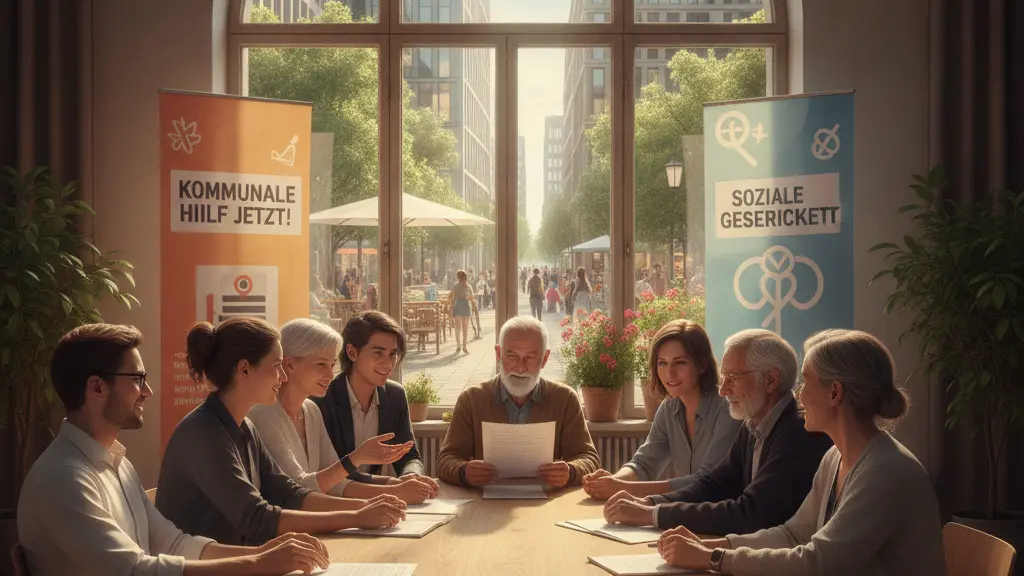
Local governments across Germany are reporting severe budget pressure. Recent investigations show an unusually high share of municipalities running deficits, and local leaders describe the situation as historically threatening the basic functions of municipal government.
| Indicator | Reported figure / situation |
|---|---|
| Municipal shortfall (2025, aggregated) | ~30 billion euros (reported historic figure) |
| Share of municipalities with deficits (2026) | About 95% reported with budget shortfalls |
| Large cities (over 50,000 inhabitants) | High share unable to present balanced budgets |
| Implication | Risk to local services and municipal self-governance |
3.1 The scale of the problem
Key figures cited in reporting and local statements underline the severity: a national municipal shortfall measured in the tens of billions in the prior year, and research indicating that the vast majority of municipalities now report budget deficits. Larger cities also struggle to present balanced budgets. The core drivers are exploding social expenditures and limited local revenue capacity.
3.2 Local impacts on services and investment
Municipalities report closing or reducing services, cutting investments and staff, and limiting amenities from pools and libraries to administrative capacity. Local leaders have staged a nationwide action day to draw attention to the crisis, calling for a fundamental reordering of fiscal relations between national, regional and local governments and for more substantial and predictable support.
- Immediate effects: cuts to non-essential services, hiring freezes, postponement of projects.
- Medium-term effects: reduced investment in infrastructure and maintenance backlogs.
- Long-term risk: weakened local public administration and strained provision of basic services.
4. Heatwave and its practical consequences
An ongoing heatwave is expected to intensify, with nights remaining unusually warm in some regions. Forecasts point to daytime highs reaching the high 30s Celsius in parts of the country and the possibility of new June temperature records in the following days.
4.1 Weather outlook
The forecast mentions sustained high pressure and continued strong heat. Night-time temperatures in the southwest may stay above 20°C, producing tropical nights. Daytime maxima are forecast to climb to the upper 30s and potentially approach 40°C in places later in the week.
4.2 How the heatwave affects communities and services
The heat wave has immediate practical effects on already stretched municipalities: extra demand for cooling centers, increased pressure on hospitals and emergency services, and new considerations for workplace safety and flexible hours. Local budgets already under strain must cover additional measures to protect vulnerable citizens, such as the elderly and chronically ill.
- Health: more heat-related emergencies and higher demand on clinics.
- Local services: need for cooling centers and extended social support.
- Workplaces: debates about heat protection, remote work and flexible schedules.
5. Political dynamics and public reaction
The combination of pension reform proposals and municipal distress has sharpened partisan debate. Conservative actors use municipal troubles to challenge national policymakers, while left-leaning voices point to years of austerity at higher levels of government as a reason for eroded local capacity. Local representatives argue that existing federal relief packages are insufficient and press for deeper fiscal changes.
5.1 Key themes in the debate
Recurring themes include the fair distribution of fiscal burdens, protection for low-income groups in pension changes, and the need to safeguard essential municipal services. The tone of public debate has become more confrontational, with calls for accountability and sharp partisan exchanges across different levels of government.
5.2 Local leaders’ demands
Mayors, county leaders and municipal finance officers demand larger, predictable transfers or a structural realignment of responsibilities and revenues. They warn that without substantial measures some towns and counties will be forced to reduce core services or accept long-term declines in infrastructure quality.
6. What to watch next
In the coming days and weeks, keep an eye on the expert commission’s next formal steps and governmental reactions to the pension proposals, announcements on additional municipal support or structural fiscal reforms, and updated weather warnings as the heatwave evolves.
- Follow government responses to the pension commission and details on any proposed mandatory capital-funded component.
- Monitor announcements of additional municipal relief or shifts in fiscal arrangements between levels of government.
- Watch short-term weather advisories and health notices as temperatures may rise further, with local services adjusting to higher demand.
These developments will shape public finances, social security and daily life in towns and cities — and will be central to public debate as Germany balances reform, fiscal stability and climate stress.
