
1. Overview: Why Germany is Discussing a Retirement Age Hike
Talks about raising the retirement age are appearing across Europe. This article uses a high-profile debate in Poland as a clear example of the issues any country—Germany included—faces when it considers hiking the pension age. The Polish debate highlights the economic arguments, political backlash, and alternative policy choices that are relevant for policymakers, workers, and retirees in Germany as they weigh changes to retirement policy.
2. The case for raising the retirement age
Demographic pressure and sustainability
Many governments point to demographic change as a key reason to raise the retirement age. As populations age, the ratio of pensioners to active contributors increases, putting pressure on pay-as-you-go pension systems. In the Polish discussion, supporters warn that without adjustment the system could face collapse as contributors decline relative to retirees.
Economic and fiscal arguments
From a fiscal perspective, increasing the statutory retirement age can reduce the long-term burden on public budgets by shortening average benefit periods and keeping more people in the workforce. Proponents argue this helps maintain benefit levels and avoids sharp cuts to pensions.
- Lower long-term pension expenditure per person.
- Increased contributions from a larger workforce.
- Potentially higher overall economic output if older workers remain employed longer.
3. Lessons from Poland’s debate
The Polish case offers concrete lessons: a proposal to raise and unify retirement ages triggered widespread opposition and intense public debate. Observers and policymakers in Germany can learn from what happened in Poland—both the arguments used by proponents and the social and political fallout.
What was proposed in Poland
The governing party in Poland proposed gradually raising the retirement age to a single threshold of 67 years for both men and women, up from 65 for men and 60 for women. That kind of unified increase is one way to simplify rules and try to make pension systems more sustainable.
Public reaction and political risk
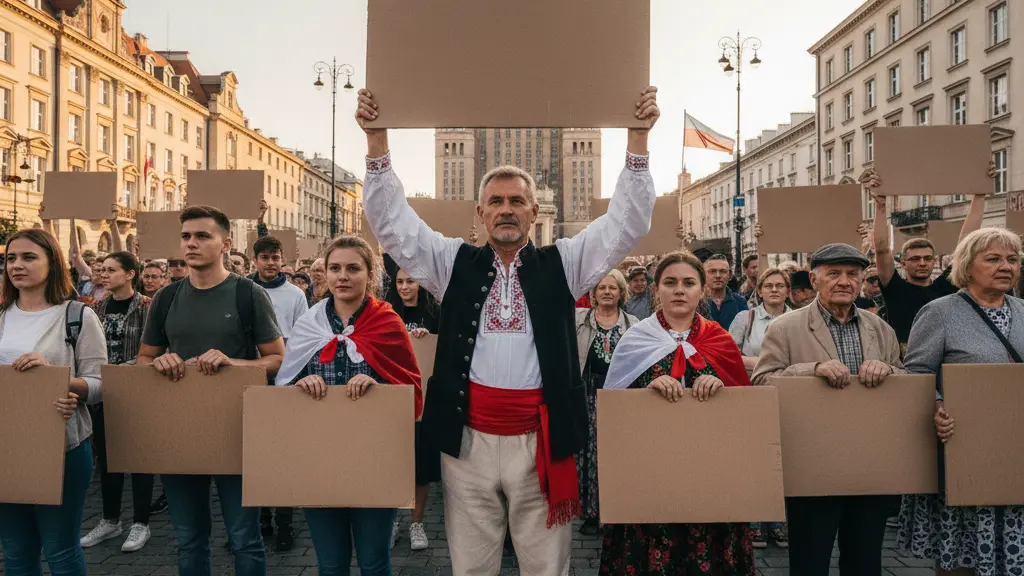
The proposal in Poland triggered massive protests and broad public resistance: polls showed strong opposition, and trade unions described the plan as a form of social dispossession. International comparisons were made to earlier, failed increases elsewhere that led to unrest. For Germany, the lesson is that technocratic arguments alone may not win public support; social acceptance matters.
Economic research and alternative proposals
Research cited in the Polish debate warned of steep benefit cuts if no reforms are made—for example, an estimate suggested pensions could fall substantially by 2040 without changes. At the same time, economists proposed hybrid approaches: combining adjustments to the statutory age with stronger private provision and mechanisms that tie retirement rules to life expectancy. Critics argued for other paths such as higher taxes on wealthier households rather than raising the retirement age.
4. Policy options for Germany (and lessons to consider)
- Phased increase: Gradually raise the statutory retirement age to reduce shock to workers and allow planning time.
- Flexible retirement linked to life expectancy: Adjust the age in line with changes in average lifespan so the system adapts automatically.
- Hybrid systems: Strengthen private or occupational pensions alongside modest public reforms to share risks and benefits.
- Targeted protections: Shield workers in physically demanding jobs and low-income groups from the full burden of higher ages.
- Alternative revenue measures: Consider fairer tax changes or increased contributions from higher earners to preserve benefit levels without only relying on later retirement.
- Clear communication and participatory reform: Build public consensus through transparent analysis, consultations, and transitional support.
5. Political and social considerations
Poland’s debate shows that even well-argued reforms can provoke strong political resistance if citizens fear losses or see reforms as unfair. Leaders framing reform as necessary to prevent system collapse can persuade some, but unions and opposition groups may mobilize when changes are perceived as harming vulnerable groups. Any German policymaker considering a retirement-age hike should weigh social equity, the pace of change, and the need for complementary measures to protect disadvantaged workers.
Leadership messaging and trust
Strong messaging is often used to justify changes. For example, a Polish leader warned that the retirement age must be adjusted to save the system. Such statements can frame reform as unavoidable, but they also raise expectations that must be matched by clear plans and protections to maintain public trust.
6. Conclusion
Raising the retirement age is a complex choice that involves fiscal sustainability, demographic realities, and social fairness. The Polish example provides useful warnings and options: transparent analysis, phased and flexible approaches, stronger private provision, and measures to protect vulnerable groups can reduce political backlash and improve outcomes. For Germany, careful design, broad consultation, and balanced trade-offs will be key to any successful reform of the retirement age.
