
1. Overview of the Potsdam Negotiations
The second bargaining round for the public service pay talks under TV-L 2025/2026 took place in Potsdam on 15 and 16 January 2026 and ended without a concrete employer offer. The Tarifgemeinschaft deutscher Länder (TdL) declined key proposals and presented no verhandlungsfähiges Angebot, effectively blocking progress. Trade unions including dbb, DPolG, SBB, DJG and SLV united behind clear demands aimed at improving pay, working conditions and recruitment in the public sector.
What the unions asked for
- An increase of collective table wages by 7 percent, at least 300 euros per month;
- An additional 200 euros monthly for apprentices and students in public-service training;
- A 12-month contract period to deliver rapid relief;
- Stage-aligned reclassification (stufengleiche Höhergruppierung) and a revision of the pay structure (Entgeltordnung);
- Ost-West pay equalization and better conditions to attract and retain young professionals.
2. TdL’s Response: Rejection and Refusal
The employer side, represented by the TdL, repeatedly rejected major parts of the unions’ agenda. Instead of presenting a negotiating offer, TdL said what it did not want to accept — from full reclassification steps to broad changes in the wage table and an East-West alignment. This posture has been widely criticized as a refusal to negotiate in good faith.
Specific employer blocks and union reactions
TdL specifically blocked substantive demands such as inflation compensation beyond token adjustments, higher allowances for on-call and standby duties, and the possibility of decoupling from TVöD results. Union representatives called this stance obstructive and dangerous for public services, with some voices describing it as backward-looking and a threat to essential institutions like the judiciary.
- Unions: TdL gave no verhandlungsfähiges Angebot;
- Employers: Rejected major structural and pay demands;
- Result: Negotiations stalled and pressure increased on both sides.
3. Union Warnings, Mobilisation and Planned Actions
Unions warned that the lack of an offer would lead to escalation. The dbb, DPolG, SBB, DJG and SLV all emphasized that better pay and working conditions are necessary to fight the acute shortage of skilled workers in the public sector and to make public employment more attractive compared with the private market.
Strike plans and early measures
- First warning strikes planned from 21 January in Leipzig and Dresden;
- Threatened wider action across clinics, schools, street cleaning and other services if TdL does not change course;
- Unions signalled readiness for a massive expansion of warnings and strikes during the negotiations.
4. Public Protests and Political Reactions
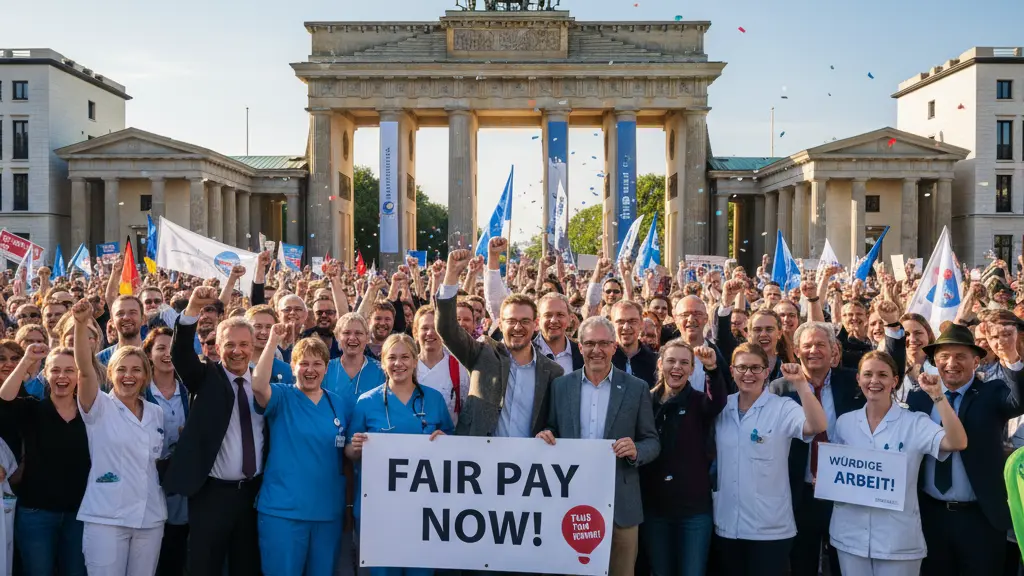
Protests and demonstrations took place before and during the Potsdam round in Berlin, Mainz, Mecklenburg-Vorpommern and other places. Calls went out for civil servants and public sector employees to join the mobilization. The demonstrations underlined broad frustration with perceived employer intransigence and the sense that public sector staff are being treated as a mere cost factor instead of trusted professionals.
Political side notes
Amid the conflict, one political signal came from Baden-Württemberg where a senior CDU candidate pledged that future tariff results would be applied to civil servant pay (Besoldung) at the same time — a pledge welcomed by unions as an example of how political decisions can support quick, consistent outcomes.
5. Who is Affected: Numbers and Stakes
The pay talks matter to millions of people and to the functioning of public services across the Länder. The negotiations affect employees, civil servants and pension recipients alike, and the unions and employers both recognise the wide reach of any agreement or conflict.
| Group | Approximate numbers |
|---|---|
| Total affected | 3.5 million people |
| Tariff employees (excluding Hesse) | 1.1 million |
| Civil servants | 1.4 million |
| Pension recipients | 1.0 million |
| These figures show the broad impact on public services and households across the Länder. | |
6. Next Steps and Possible Consequences
The third round of talks is scheduled for 11 to 13 February 2026 in Potsdam. Unions have made clear they expect a realistic, verhandlungsfähiges Angebot from the employers; otherwise they will escalate industrial action. Both sides face important choices about negotiating in good faith and avoiding wider disruption to public services.
- Third round in Potsdam: 11–13 February 2026;
- If no offer appears, unions plan broader and longer warning strikes across health, education, municipal services and more;
- Potential consequence if talks fail: increased staff shortages, risk to service delivery and, according to union leaders, threats to state functioning and democratic stability.
In short, the responsibility for progress lies mainly with the employers, who hold the ‘heft des Handelns’ — they can provide a real offer and steer negotiations away from extensive industrial action. For citizens and employees alike, the coming weeks will be decisive for wages, working conditions and the ability of the public sector to recruit and keep staff.
