
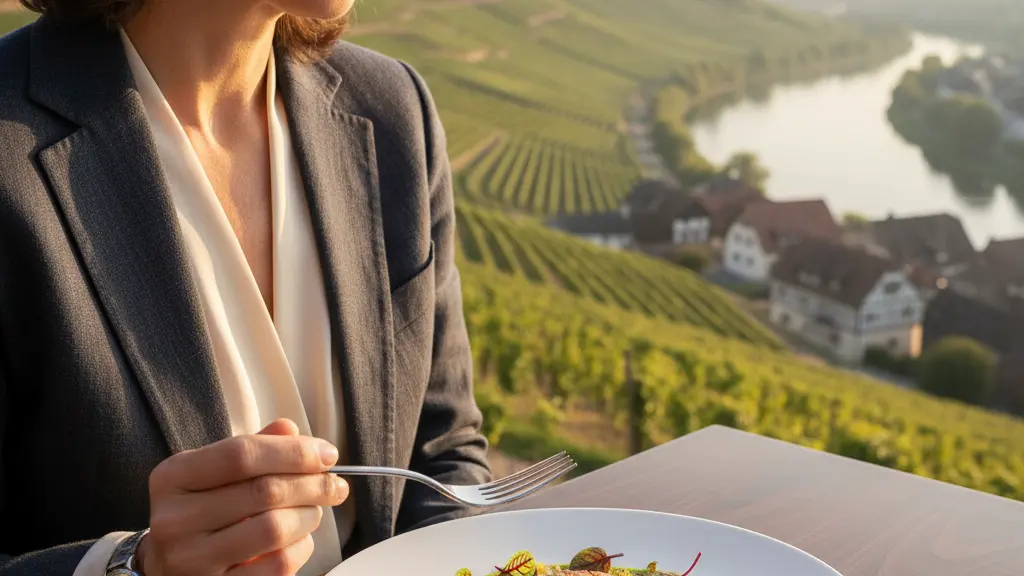
What “Feinschmecker” Means
Feinschmecker is a German masculine noun (plural: Feinschmecker) that translates roughly to ‘gourmet’ or ‘connoisseur of fine food and drink.’ According to the Cambridge definition, a Feinschmecker is ‘a person who enjoys and knows a lot about good food and wines.’ The term implies more than simple taste: it signals a love for culinary detail, quality ingredients, and thoughtful presentation.
Everyday contexts for the word
People speak of Feinschmecker when describing someone who travels for markets, reads tasting notes, or seeks out local producers. The word appears in restaurant reviews, food columns, and guides that aim to direct true gourmets toward memorable meals rather than mere novelties.
In everyday use, calling someone a Feinschmecker suggests they are discerning, curious, and often well informed about regional specialties, wine pairings, and fine dining etiquette. Keywords connected to the concept include gourmet, fine dining, food culture, culinary connoisseur, terroir, and regionality.
History and a Taste of the Past
The tradition of Feinschmecker-like figures goes far back. One famous early example is the Roman gourmand Apicius, who lived in the 1st century AD and experimented with bold seasonings and sauces. Historic culinary practice shows how flavoring techniques evolved—ingredients like sumac were used to add a tart, fruity note long before lemons became common.
Sumac then and now
- Historic use: Sumac provided a sour, fruity acidity in ancient fish sauces and stews instead of citrus.
- Modern use: Today sumac appears in za’atar blends and is added to meats, soups, and flatbreads for a bright, astringent lift.
- Culinary note: Sumac’s tangy character is prized by Feinschmecker for balancing rich, fatty dishes without overpowering them.
Feinschmecker in Modern Gastronomy
Modern examples of places that attract Feinschmecker include lively buffets with live cooking stations, regional markets, and restaurants that highlight local ingredients. For instance, buffets on the Canary Islands are often described as ‘a culinary paradise for true Feinschmecker’ with fresh produce, themed dinners from Arabic to Mexican influences, and Canary specialties like gofio stew paired with local wines.
Features that attract gourmets
- Seasonal and local produce showcased prominently
- Live cooking stations where chefs prepare dishes to order
- Themed dinners that respect authentic techniques
- Local specialties such as gofio, traditional stews, and regional wines
Ingredients, Balance and the Art of Restraint
A Feinschmecker values not only prized ingredients but also the skill of balancing flavors. Spices like cloves (Nelken) can add warmth and depth when used thoughtfully as a subtle undernote. Conversely, overuse of a single spice can overwhelm a dish; chefs warn that certain restaurants must avoid using spices merely as an effect.
Practical advice on spices
Both historical and modern cuisines teach restraint. Sumac is praised for digestive and antioxidant qualities when used in moderation, while cloves are often employed sparingly to add complexity without domination.
- Start small: Add potent spices like cloves in tiny amounts to test their effect.
- Layer flavors: Use acid (sumac or citrus) to brighten and balance richness.
- Respect tradition: When cooking regional dishes, use signature spices carefully to preserve authenticity.
Terroir, Regional Specialties and the Michelin Perspective
Feinschmecker taste often follows terroir—products that reflect a place. Examples include Tiroler Graukäse, a mildly sour to piquant mountain cheese that pairs well with alpine butter or Kaspressknödel, and French regional items like Quercy lamb or Espelette pepper. The Michelin Guide for 2026 highlights destinations that ‘satisfy the most demanding Feinschmecker,’ from Barcelona neighborhoods with lively local markets to Eifel mills serving refined dishes alongside rustic fare.
| Product | Region | Characteristic |
|---|---|---|
| Tiroler Graukäse | Tyrol | Mild-sour to pungent, pairs with butter and dumplings |
| Quercy lamb | Southwest France | Terroir-driven, tender and flavorful |
| Espelette pepper | Basque Country | Smoky, fruity heat used as a regional signature |
| These terroir items appeal to discerning gourmets and Feinschmecker alike. | ||
Cultural Critique, Authenticity and Becoming a Feinschmecker
Feinschmecker culture often involves criticism of trends that favor marketing over authenticity. In places like Baden-Württemberg, chefs and producers emphasize regionality, while fusion cuisine invites careful judgment to distinguish true innovation from mere hype. The discerning eater learns to read menus, meet producers, and ask where ingredients come from.
How to grow your palate
- Visit local markets and taste small producers’ offerings.
- Try foods from different terroirs to understand regional differences.
- Learn basic wine and food pairing principles to enhance meals.
- Be curious: ask chefs about techniques and ingredient sources.
- Practice restraint with strong spices and appreciate subtle balance.
