
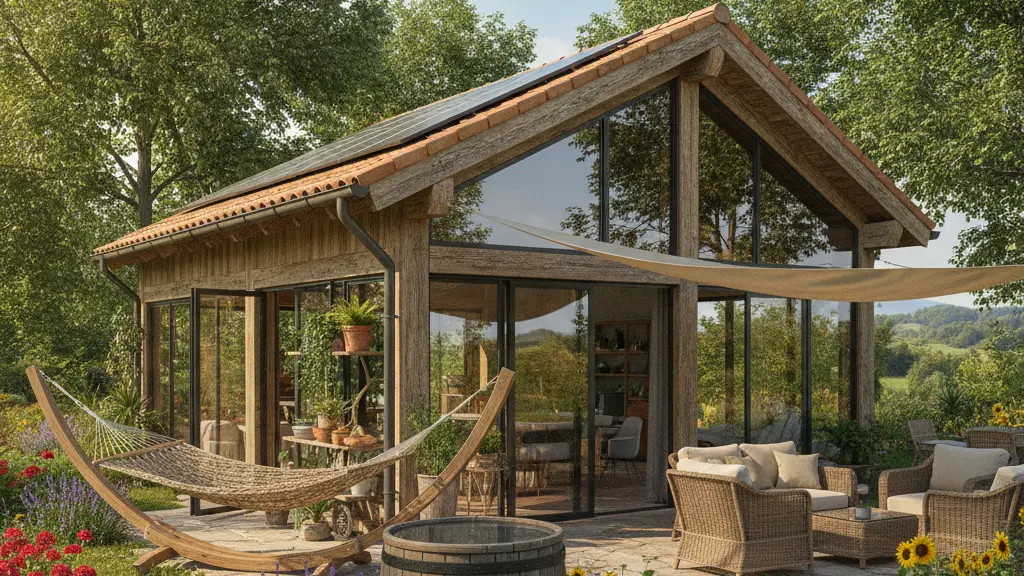
Stay cool without the high bill: why smart summer cooling matters
Summer heat can make homes uncomfortable and drive up energy bills quickly. Smart summer cooling focuses on keeping indoor temperatures pleasant while cutting energy use and costs. Using a mix of passive strategies, efficient systems, and simple habits lets you enjoy cool, healthy rooms and meaningful savings. This article explains practical, energy-efficient cooling options, from shading and insulation to smart thermostats and modern air conditioners.
Passive cooling: low-cost ways to reduce heat gain
Passive cooling reduces the need for powered air conditioning by preventing heat from entering your home and improving natural airflow. These measures are often the most cost-effective first step toward a cooler house and lower energy use.
Windows, shading, and reflective surfaces
- Exterior shading: Awnings, pergolas, and exterior blinds block sunlight before it hits glass, cutting cooling load.
- Solar-control window film and shades: Interior roller shades or low-emissivity window films reduce solar heat gain while preserving daylight.
- Reflective roofs and light colors: Cool roof coatings and light-colored surfaces reflect sunlight and keep attic temperatures lower.
Ventilation and air movement
- Use cross-ventilation by opening windows on opposite sides of the house during cooler mornings and evenings.
- Install ceiling fans to increase comfort at higher thermostat settings — fans move air and make you feel several degrees cooler without extra AC use.
- Consider whole-house fans for rapid nighttime cooling if your climate has cool nights.
Improve the building envelope: insulation and sealing
A well-insulated and tightly sealed home keeps conditioned air in and hot air out. Investing in insulation and air sealing is an effective way to lower cooling costs year after year.
Where to focus
- Attic and roof: Insulate the attic floor to reduce heat transfer from the roof into living spaces.
- Walls and floors: Add insulation to exterior walls or use insulated sheathing when renovating.
- Seal gaps: Weatherstrip doors and seal gaps around windows, ducts, and penetrations to prevent warm air infiltration.
Efficient active cooling systems: pick the right technology
When passive measures aren’t enough, efficient active cooling systems deliver reliable comfort with lower energy use. Choosing the right system depends on your home size, layout, local climate, and budget.
Ceiling fans and air circulation
Ceiling fans are a low-cost way to extend comfort without lowering thermostat temperature. Running fans lets you raise the thermostat a few degrees while maintaining comfort. Remember to turn fans off when rooms are unoccupied since fans cool people, not rooms.
Modern air conditioning and heat pump options
High-efficiency central air conditioners and heat pumps provide reliable cooling with better energy performance than older units. Ductless mini-split heat pumps are a flexible option for homes without ducts, offering zone control and high efficiency. For dry climates, evaporative coolers can be very efficient and inexpensive to run.
Smart controls and strategies for big savings
Smart thermostats, zoning, and simple scheduling habits can reduce runtime and energy use. Small changes in how and when you cool your home add up to noticeable savings.
Smart thermostat tips
- Set reasonable setbacks: Raise the thermostat a few degrees when you’re away or asleep, and cool just before you return.
- Use adaptive schedules: Let your thermostat learn patterns to avoid unnecessary cooling while maintaining comfort.
- Monitor energy: Many smart systems show usage trends so you can identify opportunities to save.
Zone cooling and targeted comfort
Zoning separates the home into areas with individual temperature control, reducing wasted cooling in unused spaces. Ductless systems and dampers for ducted systems are common ways to implement zoning and boost efficiency.
Combining renewables and cooling: solar-friendly options
Pairing cooling strategies with on-site renewables or passive solar measures can cut grid energy use and lower bills. Even small solar setups can offset a portion of peak cooling loads.
| Cooling option | Typical upfront cost | Efficiency/benefit | Best for |
|---|---|---|---|
| Ceiling fans | Low | Very low energy use; increases comfort | Most homes |
| Ductless mini-split heat pump | Medium | High efficiency; zone control | Homes without ducts, additions |
| High-efficiency central heat pump | High | Very efficient for whole-house cooling | Homes with existing ductwork |
| Evaporative cooler | Low–Medium | Very efficient in dry climates | Arid regions |
| Choose based on climate, home layout, and budget | |||
How renewables help
Solar photovoltaic panels can generate electricity during hot, sunny periods when air conditioning demand is highest. Even without full system integration, using solar power to offset AC electricity reduces net energy costs and carbon footprint.
Maintenance, daily habits, and quick wins
Regular maintenance and simple daily habits keep systems running efficiently and prevent unexpected high bills. Many measures are quick and inexpensive but highly effective.
Maintenance checklist
- Replace or clean AC filters every 1–3 months during heavy use.
- Clean outdoor condenser units and remove debris to maintain airflow.
- Have ducts inspected and sealed if you have a ducted system.
- Schedule annual professional tune-ups for heat pumps and AC units.
Daily and seasonal habits
- Close blinds or curtains on sunny windows during the hottest part of the day.
- Run major heat-generating appliances (oven, dishwasher) in the evening.
- Use timers or smart plugs for fans and AC to avoid cooling empty rooms.
- Raise thermostat setpoint slightly and rely on fans to stay comfortable.
Summary and next steps
Cool homes and smart savings come from combining passive design, efficient systems, smart controls, and good habits. Start with low-cost passive measures like shading and sealing, add efficient cooling technology suited to your home, and use smart thermostats and zoning to minimize runtime. Regular maintenance and small daily changes deliver steady savings without sacrificing comfort. Try one or two changes this season and track your energy use to see the difference.
