
1. What happened at the Fastnacht event
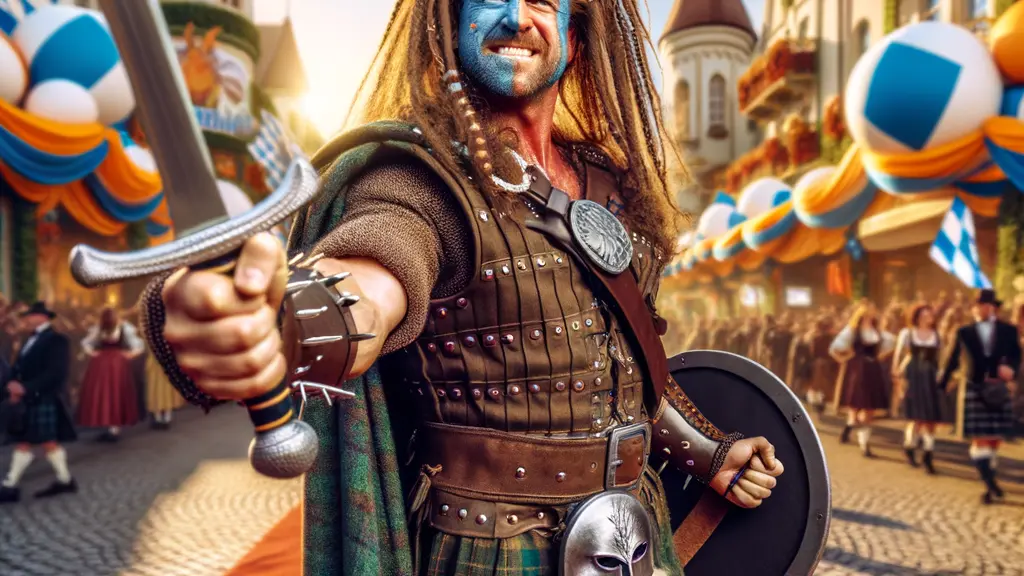
On 6 February 2026, Bavaria’s Minister-President Markus Söder attended the Prunksitzung ‘Fastnacht in Franken’ in Veitshöchheim in a striking costume inspired by the film figure William Wallace from Braveheart. He appeared with blue-and-white face paint, a kilt, a long-haired wig and a sword. On the red carpet he posed for photographers and even swung the sword in a theatrical gesture that many interpreted as a playful challenge aimed at Berlin. Söder commented in brief remarks—”A bit like Bavaria and Berlin”—and posted on social media a note roughly translated as: “Kilt instead of crutch: today Braveheart in Veitshöchheim! William Wallace is considered the quintessential freedom fighter: brave, fearless and determined—qualities that are especially important today. We Bavarians love our freedom and independence. We are like the Scots. White and blue connect!”
| Fact | Detail |
|---|---|
| Date | 6 February 2026 |
| Event | Prunksitzung ‘Fastnacht in Franken’ in Veitshöchheim |
| Costume | William Wallace / Braveheart look: blue-white face paint, kilt, wig, sword |
| Makeup and design | Designed by mask artist Dirk Hirsch at the Staatstheater Nürnberg, using an authentic earth-tone technique |
| Broadcast | Live on the Bavarian public broadcaster at 19:00 |
| Coverage | Reported widely in the press with generally positive emphasis on effort and symbolism |
2. The costume and craftsmanship
The outfit was prepared professionally by maskmaker Dirk Hirsch at the Staatstheater Nürnberg. Rather than relying on modern cosmetic make-up alone, the team used an authentic earth-oxide look to keep a sense of medieval realism while still delivering the iconic blue-and-white facial colouring associated with the Braveheart figure. The result combined theatrical authenticity with the bold, photo-ready elements needed for a high-profile red-carpet appearance.
- Blue-and-white facial paint to reference the Braveheart image.
- Traditional kilt and period-style clothing for the Scottish warrior look.
- Long wig to mimic the film character’s hair.
- Prop sword, used for dramatic gesturing on the red carpet.
- Earth-tone technique applied for a medieval, textured appearance rather than modern stage makeup.
Makeup, props and visual elements
3. Symbolism and political tone
The costume was read by many observers as more than a fancy dress choice. It carried symbolic weight: the image of William Wallace evokes freedom, bravery and resistance, and Söder framed those qualities as resonant for Bavaria today. The gesture was light-hearted but unmistakably political in tone, portrayed by some as a friendly, theatrical jab at national politics in Berlin and a public reaffirmation of Bavarian self-image and independence.
- Emphasis on freedom and determination as virtues.
- Playful rivalry between regional and national political centers.
- Use of spectacle and costume to communicate character and values.
Public message and intent
4. Tradition and past appearances
The Braveheart appearance fits into an ongoing tradition of theatrical and sometimes whimsical costumes at this event. The practice goes back to earlier civic leaders and has become part of the local carnival culture. Markus Söder himself has a history of creative stage personas at similar occasions, continuing a pattern of using costume to connect with audiences and to convey a public image.
- Elvis Presley (2023)
- Shrek
- Punk
- Gandalf
- Otto von Bismarck
Previous costumes by the same politician
5. Event details, attendees and reaction
The gala evening was broadcast live on the regional public broadcaster at 19:00 and drew other political figures from the region. Guests included prominent local politicians such as Ilse Aigner, Hubert Aiwanger and Joachim Herrmann, who is sometimes nicknamed the ‘Black Sheriff’. On the red carpet the dramatic elements—poses, the swung sword and bold makeup—helped create memorable images for photographers and viewers alike.
- Coverage across multiple outlets praised the effort and the symbolic gesture.
- Most reports highlighted the rebellious charm and the link to Bavarian independence.
- There were no major public contradictions reported in the immediate coverage, and commentators focused on the theatrical nature of the stunt.
Reception and media response
In short, the Braveheart costume was a carefully staged mix of theatre, tradition and political messaging. It used recognizable imagery—freedom, rebellion and regional pride—to communicate in a playful but pointed way. Whether judged as entertainment, symbolism or political signaling, the appearance made a clear impression and continued a local custom of leaders engaging with carnival culture through memorable disguises.
