
1. Summary of the situation
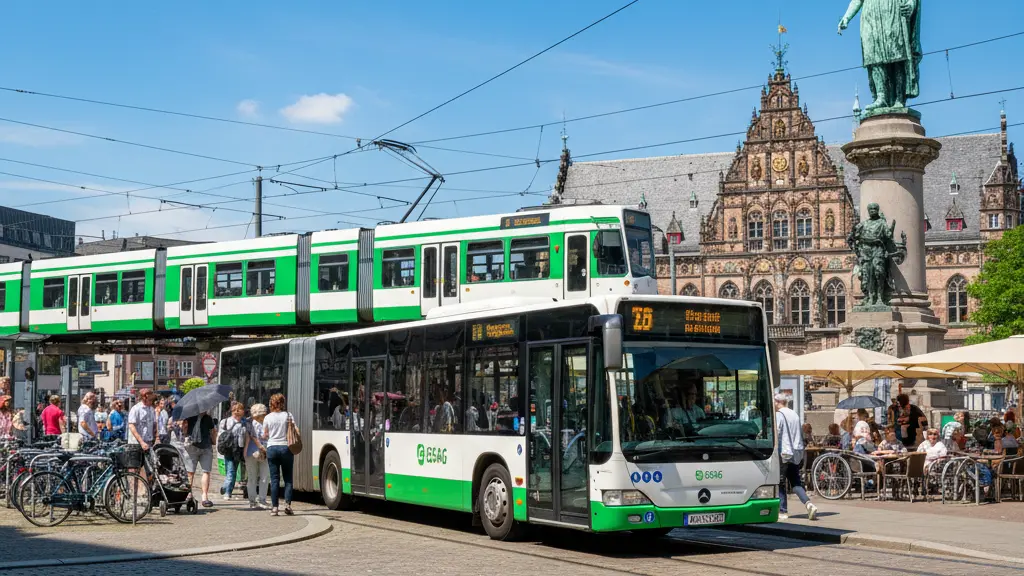
In Bremen, the local public transport operator BSAG has partially restored bus services after a recent disruption, while all tram (streetcar) services remain suspended. Initial reports suggested a widespread halt of urban public transport; however, the company later clarified that bus lines are running again in many areas, albeit with detours and delays, and that tram lines are still not in operation for safety and operational reasons.
The underlying problem is limited to rail infrastructure, which is why buses could be brought back into service earlier following organizational adjustments. BSAG has said it is working urgently to resolve the issue but cannot yet give a firm restart time for trams. In official wording, the operator emphasized it will only resume tram service when a safe and stable operation is assured and asked passengers to use available bus connections in the meantime.
2. Current service status
Buses
Bus services operated by BSAG are running again on many lines. Operators have implemented replacement routes and diversions where tram tracks or stops are affected. Passengers should expect irregular intervals, longer journey times and occasional cancellations on some routes.
- Bus lines: Gradual resumption, but not all routes are back to the regular timetable.
- Timetable: Reduced frequency in some corridors; delays are possible especially during peak hours.
- Routing: Temporary detours around affected tram infrastructure and work zones.
Trams (streetcars)
All tram lines remain suspended until further notice. The suspension is related to an issue affecting the tram infrastructure. BSAG has stated that tram operations will only restart once inspections and any necessary repairs ensure safe and stable running conditions.
3. Impact on passengers and commuters
Passengers in Bremen should anticipate a disrupted travel experience: longer trips, transfers from trams to buses, and overcrowded vehicles during busy times. Commuters relying on tram lines may need to plan alternative routes or depart earlier to allow for additional travel time.
- Overcrowding: Some replacement buses are heavily loaded, especially in peak periods.
- Delays: Timetables are less reliable than usual; punctuality may suffer.
- Conflicting advice: Authorities encourage using public transport, cycling or walking, while some information points to using cars or home office when feasible due to overcrowding.
4. BSAG response and safety measures
BSAG has issued regular statements describing their response: technical inspections of tram infrastructure, coordination with city authorities, and deployment of buses as replacement and relief services. Safety is the top priority; the operator stresses that tram service will not resume until safe and stable operation can be guaranteed.
The company says it is working with urgency to restore full service and is monitoring situations on the ground, adjusting bus allocations and routes as needed to cover key corridors and support affected passengers.
5. Local media and stakeholder reactions
Media coverage
Local news outlets have reported the developments continuously. Some media see the return of bus services as a sign of normalization, while others have criticized the lack of precision about how long the tram suspension will last. Regional broadcasters and newspapers have provided updates and background information to help commuters navigate the disruption.
Passenger and commuter perspectives
Passenger representatives and commuter groups have expressed frustration at short‑notice interruptions, but many have welcomed that at least a basic bus service is available. Concerns remain about capacity, clarity of information and the strain on vulnerable passengers who depend on direct tram connections.
6. Practical advice and alternatives
- Check official updates: Follow BSAG notices and local traffic bulletins for the latest information before you travel.
- Allow extra time: Build additional time into journeys to accommodate detours and delays.
- Consider alternatives: Walk, cycle or combine modes (bus plus bike) where possible to avoid overcrowded buses.
- Avoid peak times: If flexible, travel outside the main rush hours to reduce time spent in crowded vehicles.
- Plan routes: Use replacement bus routes and expect transfers instead of a single tram trip.
- Stay informed: Rely on official announcements and reputable local media for verified guidance.
7. Where to get updates
For reliable, up‑to‑date information check official BSAG communications and local traffic services. Regional transport networks also publish notices about disruptions and timetable changes.
- BSAG official service and press messages for traffic updates and statements.
- Regional transport authority bulletins for broader network impacts and coordinated changes.
- Local news outlets and regional broadcasters for ongoing reporting and context.
8. What to expect next
The timeline for resuming tram services is currently uncertain. BSAG is inspecting and, where necessary, repairing infrastructure before restarting trams. Buses are likely to remain an important part of the network in the short term as the operator stabilizes tram operations. Passengers should keep monitoring official channels for confirmed restart announcements and service revisions.
9. Sources and further reading
- Busphoto network listings related to the local transport operator
- Official BSAG website and corporate information
- BSAG traffic messages and operational notices
- BSAG press releases and statements
- City of Bremen mobility and public transport information
- Regional transport authority bulletins for Bremen and surrounding areas
- Local radio and regional broadcaster reports
- Weser‑Kurier regional reporting on public transport
- Regional public broadcaster coverage and analysis
- National rail timetable information that can indicate linked disruption impacts
