
1. Overview of Visitor Trends in Sachsen-Anhalt Memorials
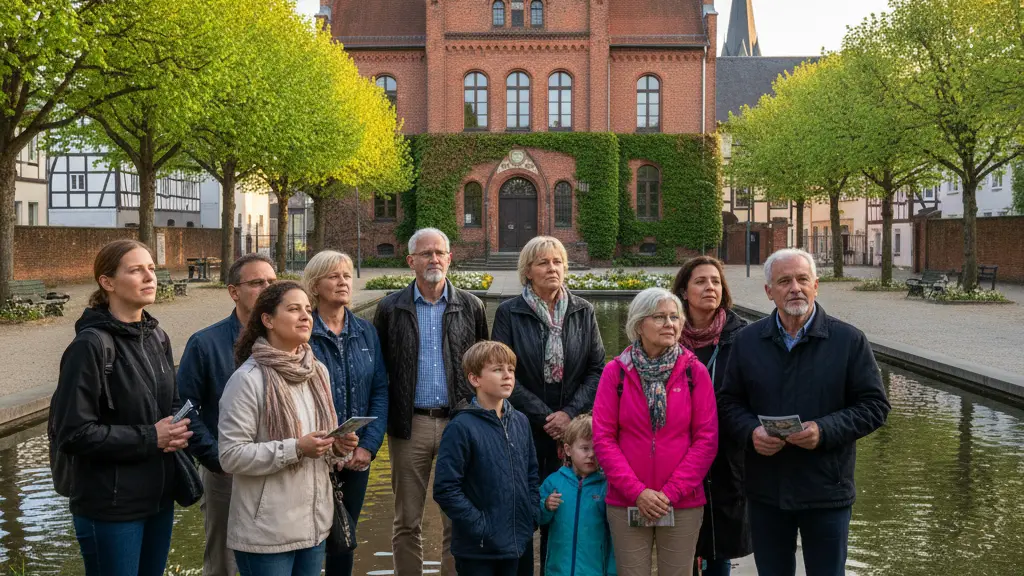
In 2025 several memorials in Sachsen-Anhalt reported a noticeable rise in visitor numbers, reflecting growing public interest in historic and civic education. For example the Gedenkstätte Roter Ochse in Halle Saale recorded a 22 percent increase reaching 19,700 visitors. This local upswing sits within a national pattern where many NS memorials saw stable or rising attendance, with Buchenwald drawing around 350,000 visitors Mittelbau Dora about 50,000 and Dachau registering exactly 1,013,203 visitors. Luther museums in Sachsen Anhalt also had a strong year with 92,000 visitors. Detailed figures for some other regional memorials remain limited but the general trend points to sustained interest in memorials and historical education across the region.
2. Challenges Facing Memorials Today
Alongside positive visitor growth memorials face significant challenges. Several foundations report a rise in politically motivated disturbances from the right including vandalism death threats Hitler salutes and antisemitic guestbook entries. At Buchenwald staff noted weekly police reports for threats and incidents and reports of antisemitic comparisons of Gaza with KZ detention. The Mahn und Gedenkstätte Ravensbrück described marked atmospheric changes with some right wing youths finding visits a provocation and shouting slogans. In Flossenbürg guestbook entries increasingly sit on the border between Israel criticism and antisemitism. These hostile acts affect visitor experience staff safety and the ability of memorials to deliver calm reflective education.
2.1 Expert observations on threats and behavior
Experts underline the importance of historic political education while warning about new forms of provocation. Sven Keller from the Dokumentation Obersalzberg sees rising visitor numbers as proof of the value of political education but cautions against sensationalism and notes that right wing provocateurs are appearing more self confident and actively seeking discussion. Gabriele Hammermann from Dachau stresses that the vast majority of visitors behave appropriately but confirms that symbols like Hakenkreuze and Hitler greetings still occur and must be addressed.
2.2 Key security and wellbeing concerns
- Direct threats and violent vandalism affecting staff and visitors
- Antisemitic and extremist entries in guestbooks undermining memorial purpose
- Atmospheric shifts that reduce feelings of safety for other visitors
- Increased need for coordination with police and legal follow up
Addressing these concerns is essential to keep memorials welcoming educational and safe for all visitors and to protect the integrity of historic sites.
3. Strategies to Sustain and Grow Visitor Numbers
Growing visitation offers an opportunity to strengthen historic political education and community engagement. Memorials can build on interest by improving visitor experience expanding educational programs and using digital channels to reach new audiences including younger visitors and school groups. Thoughtful programming together with robust safety measures helps ensure that increased attendance contributes to meaningful remembrance rather than becoming a magnet for provocation.
3.1 Digital outreach and online engagement
- Develop virtual tours and high quality online exhibits to attract remote visitors and prepare on site visits
- Create educational resources for teachers including lesson plans and student activities tied to school curricula
- Use social media to highlight events guided tours and special exhibitions with age appropriate messaging
- Offer multilingual content to welcome international visitors and diverse local communities
Digital tools extend reach and allow memorials to present context background and learning materials in advance improving the quality of physical visits and supporting lifelong learning.
3.2 On site programs and partnerships
- Expand guided tours thematic walks and survivor testimony sessions to deepen historical understanding
- Partner with schools universities and cultural institutions for joint programming and field trips
- Use temporary exhibitions and commemorative events to draw repeat visits and local interest
- Develop volunteer and docent programs to increase staff capacity and community ownership
Local partnerships and high quality on site programming make memorials more relevant and accessible while strengthening ties to educational networks and communities.
4. Practical Recommendations for Sachsen Anhalt Memorials
The following measures combine visitor development with security and educational integrity. They are practical steps memorials can take to welcome more visitors while protecting staff and preserving the solemn purpose of the sites.
| Action | What it does | Expected benefit |
|---|---|---|
| Enhanced security and monitoring | Targeted staff training CCTV and clear reporting protocols | Improves safety deters vandalism and supports legal follow up |
| Educational programs and school partnerships | Curriculum aligned visits teacher resources and student workshops | Increases school group visits and strengthens historic political education |
| Digital outreach and virtual tours | Online exhibits social media and multilingual resources | Reaches wider audiences and prepares visitors for meaningful on site experiences |
| Guestbook moderation and rapid response | Clear rules moderated entries and escalation procedures | Protects visitors from hate speech and preserves memorial dignity |
| Collaboration with police NGOs and other memorials | Shared protocols rapid information exchange and joint events | Builds resilience against politically motivated disruptions and strengthens networks |
| Overall impact | Higher quality visitor experience increased attendance and stronger protection against extremist disruptions | |
4.1 Implementation priorities
- Start with staff training in de escalation and documentation
- Establish a guestbook policy and a fast reporting line to police
- Scale up school outreach and formalize partnerships with local education authorities
- Invest in basic digital content that supports on site learning
5. Conclusion and Call to Action
The rise in visitor numbers across Sachsen Anhalt memorials in 2025 shows clear public interest in history and political education. To convert this interest into sustained learning memorials should combine welcoming programming and outreach with firm measures against extremist disruptions and antisemitism. By improving visitor experience strengthening security and collaborating with schools police and cultural partners memorials can both grow attendance and protect the integrity of remembrance. Stakeholders from local communities to national institutions play a role in ensuring memorials remain safe accessible and educational spaces for future generations.
