
1. Berlin: Survivor sounds alarm on extremism
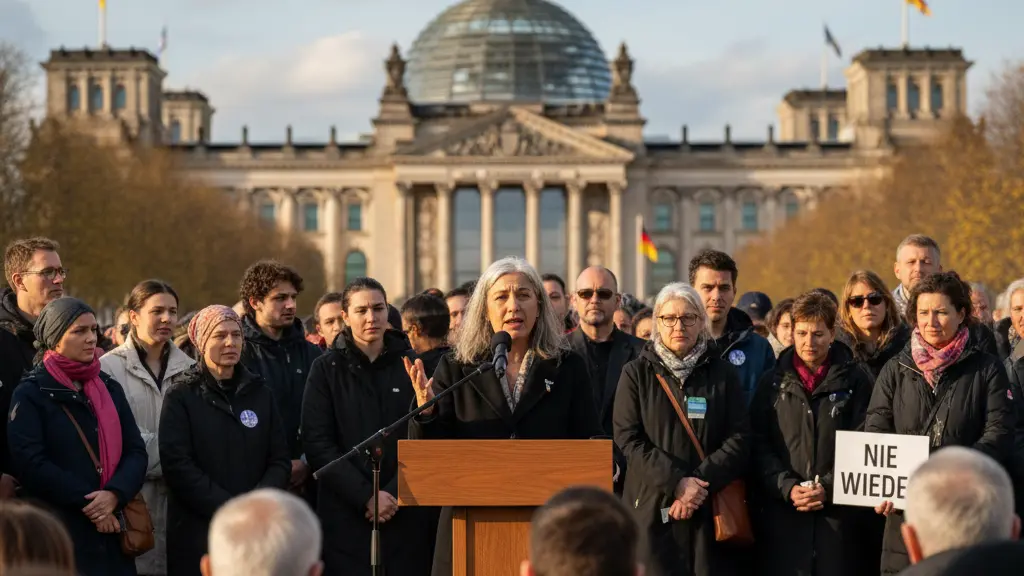
On the 81st anniversary of the liberation of Auschwitz, on 27 January 2026, Auschwitz survivor Eva Umlauf addressed a memorial gathering in Berlin with a powerful and urgent message. As president of the International Auschwitz Committee, she warned of growing right-wing extremism, rising support for the AfD, and an uptick in antisemitic agitation that threatens democratic life.
Context and significance
The speech came during formal remembrance events in Berlin and attracted broad media attention. It was part of a wider day of commemoration and political activity in the city, where survivors, civil society groups, politicians, and protesters all engaged publicly with the meaning of remembrance, the lessons of the Holocaust, and the dangers posed by extremist movements today.
Umlauf asked whether her words would still be heard in the face of current political developments and what she described as a drumbeat of right-wing and antisemitic hate that is increasingly supported and celebrated by many. Her speech blended personal memory, moral appeal, and a direct challenge to contemporary politics.
2. Alarming echoes of the past
Umlauf described with visible distress the chants heard at AfD rallies, saying they are modeled down to individual words and rhythm on Nazi-era slogans. She spoke of the ‘unleashed faces’ of those who join in, questioning whether participants know the suffering such actions can cause. Her words highlighted how certain public displays can echo the methods and atmosphere of historical fascism.
Chants, rhythm, and historical parallels
Observers and survivors pointed out that the form and cadence of extremist chants matter: the repetition, rhythm, and group dynamic can recreate the atmosphere of intimidation and dehumanization familiar from the past. These parallels are more than symbolic; they are warnings about how extremist culture can normalize hatred.
Democratic threats and Jewish safety
Umlauf urged citizens to defend democracy against attacks from the extremes of both left and right. She expressed a simple but powerful hope: that Jews in Germany could live without fearing to wear a kippah and that Jewish institutions would not need permanent guards. Her message connected remembrance with a present-day call to protect minority rights and civil security.
3. Public response: memorial politics and civic action
Civic groups and political leaders reacted in different ways. Antifascist organizations such as the Berlin VVN-BdA explicitly reject AfD participation in remembrance events and label the party as right-wing extremist and fascist at its core. They organized separate commemorations without AfD presence on 27 January 2026 in neighborhoods including Marzahn and Friedrichshain, and issued open appeals demanding that the AfD be excluded from public remembrance.
| Actor | Position / Action | Event or Note |
|---|---|---|
| Eva Umlauf | Warning about right-wing extremism and antisemitic agitation; appeal to defend democracy | Memorial speech, Berlin, 27 January 2026 |
| VVN-BdA and antifascist groups | Reject AfD participation in commemorations; organize separate events | Own events in Marzahn and Friedrichshain, 27 January 2026 |
| AfD | Participation in public remembrance contested; criticized by survivors and antifascist groups | Subject of calls to exclude from memorials |
| Federal politicians | Stress strong stance against antisemitism; emphasize security for Jewish communities | Official statements and political debate |
| Tova Friedman | Spoke about Auschwitz and remembrance | Addressed the Bundestag and public audiences |
| All entries reflect public positions and events tied to the 81st anniversary of Auschwitz liberation | ||
Simultaneous protests and debates
The day also saw counterdemonstrations and assemblies focused on other political causes, including protests for Palestinian rights. These simultaneous gatherings underlined how memorial days can become contested spaces where memory, politics, and protest intersect, raising questions about who should participate in public acts of remembrance.
At the same time, public officials emphasized strong stances against antisemitism. Germany’s foreign minister stressed a hard line on antisemitism in response to rising insecurity among Jewish communities. Other survivors, including Tova Friedman, also spoke publicly about Auschwitz and the need to keep memory alive, addressing political bodies and the wider public.
4. What this means and how to respond
The events in Berlin show that remembrance of the Holocaust is not only an act of historical record but a living responsibility. Survivors like Eva Umlauf and Tova Friedman link memory to moral action, asking citizens to recognize and resist the signs of extremism and antisemitism before they become normalized.
- Learn and remember: Support education about the Holocaust and the causes and effects of fascism.
- Speak up: Condemn antisemitic and extremist language when you encounter it in public debate or at rallies.
- Support safe communities: Advocate for the security and rights of Jewish citizens and other vulnerable groups.
- Engage peacefully: Participate in commemorations and civic events that protect the dignity of remembrance.
- Hold leaders accountable: Urge elected officials to take clear stands against extremism and to strengthen protections for minorities.
Umlauf’s plea is a reminder that democracy requires active defense. Citizens, civil society groups, and political leaders must work together to ensure that memory translates into vigilance, education, and concrete measures to counter right-wing extremism and antisemitism. The legacy of the Holocaust demands nothing less.
