
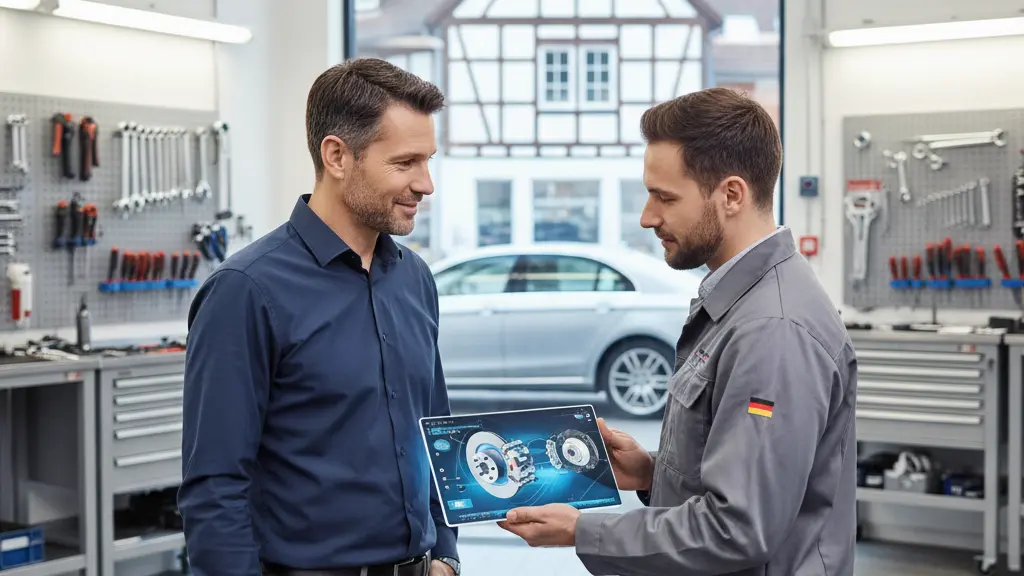
1. Why the ADAC and other authorities warn about unnecessary workshop repairs
Recent reports from consumer protection groups, automobile clubs and official agencies show a clear pattern: drivers are increasingly confronted with repair recommendations that are unnecessary or overpriced. The warnings focus on two main issues: opportunistic roadside or towing scams that push motorists toward a nearby workshop, and systematically inflated repair lists presented after inspections or maintenance. These concerns reflect an information imbalance between customers and many repair providers and are the reason clubs like ADAC publish regular guidance about workshop choice and consumer rights.
2. Common workshop traps and how they work
2.1 Roadside and towing scams
One well documented scheme begins on the road or at a rest area: strangers point out a supposed defect and suggest a nearby workshop. The driver is then taken to that shop where time‑consuming and costly repairs are recommended and carried out. Official travel advisories and club warnings both advise against trusting unsolicited helpers and recommend contacting your own roadside assistance or insurer instead.
2.2 Overblown recommendations during inspections or pre‑HU preparation
Another frequent problem is that during routine inspections, servicing or preparation for the general inspection (HU), some workshops propose a long list of spare parts and works that exceed what is technically required. This may include changing items that still have adequate life or adding cosmetic work that goes beyond restoring the vehicle to its pre‑damage state.
2.3 Cosmetic upgrades and full repainting for minor damage
Small paint damage like thin scratches or minor stone chips often requires only polishing, spot repair, or a targeted smart repair. Nonetheless, offers for full panel or bumper repainting at several hundred euros are regularly reported. For older vehicles, costly cosmetic overhauls seldom make financial sense and are a common source of unnecessary expense.
2.4 Premature replacement of safety components
Brake pads, shock absorbers or exhaust parts are sometimes recommended for replacement earlier than technically necessary. Manufacturer schedules and inspection criteria set minimum standards, but subjective judgments about a part’s remaining life can vary between workshops. Independent tests have shown that diagnoses for the same vehicle can range from “everything is fine” to extensive repair lists.
3. Insurance, legal rights and important phrases to know
Understanding insurance coverage and legal wording is essential when dealing with accident repairs. In many jurisdictions a victim has the right to a proper repair paid by the at‑fault party’s liability insurer, but the insurer may contest costs that go beyond restoring the vehicle to its pre‑accident condition. Phrases like “repair according to an expert report” are important: if the repair order explicitly follows an expert’s estimate, insurers can only raise objections they would have been allowed to raise against the expert report itself.
Customers also often have free choice of workshop. Court rulings have confirmed that insurers cannot force a claimant to use a specific cheaper repairer in many cases. That said, choosing an expensive option without checking coverage can leave the vehicle owner facing uncovered costs.
4. Immediate steps if someone recommends a workshop or a repair
If you are approached on the road or receive an unexpected recommendation, follow these simple steps to protect yourself and your wallet:
- Do not follow unsolicited helpers to a workshop. Politely decline and take time to think.
- Call your roadside assistance provider or insurer. They can arrange trusted towing and partner workshops or refuse suspicious offers.
- Request documentation: ask for photos, a written diagnosis and an itemized estimate before any work begins.
- Ask whether the suggested repair is immediately safety‑critical. If not, consider seeking a second opinion.
- Keep receipts and an itemised invoice if work is done. Insist on clear descriptions of parts and labor.
5. How to evaluate repair proposals and avoid unnecessary costs
When you receive a repair recommendation, a calm, structured review helps separate essential from optional work. Good workshops will document defects, show photos and explain why a part must be replaced rather than repaired. If explanations are vague, or the requested work seems cosmetic rather than restorative, get a second opinion.
5.1 Check insurance coverage first
Before approving expensive repairs, verify whether your insurance covers the proposed work. Some policies do not cover self‑inflicted minor damages, and part replacements beyond the expert estimate might not be reimbursed.
5.2 Ask for demonstrations and objective indicators
For wear‑related items ask to see the worn parts or test readings (for example measurements of brake pad thickness). For paint damage ask whether the scratch affects only the clearcoat or also the primer and metal. If a fingernail does not catch in the scratch and the underlying layer is intact, a polish or spot repair is usually sufficient.
5.3 Use smart repair and spot techniques where appropriate
Minor cosmetic damage can often be remedied with targeted smart repair methods at much lower cost than full panel work. The realistic goal should be to protect the vehicle and make defects unobtrusive, not to recreate showroom perfection at any price.
6. Balancing safety, liability and cost
Workshops have a genuine obligation to prevent future accidents and may recommend conservative repairs for liability reasons. This creates a tension between safety and cost control. To manage it, ask the workshop to document safety‑relevant findings, take photos and explain why a repair is necessary now. If a defect is clearly safety‑critical, erring on the side of repair is often the right choice.
If a suggested repair appears motivated by profit rather than safety, a second opinion or an independent expert report can help clarify what is truly necessary and supported by technical evidence.
7. Practical checklist and final recommendations
Keep this short checklist handy to reduce the risk of unnecessary or overpriced workshop repairs:
- When approached on the road, decline unsolicited helpers and call your roadside assistance or insurer.
- Before authorizing work, get a written, itemized estimate and photos of the damage.
- Check whether the repair is covered by your insurance and whether it restores the vehicle to its pre‑damage state only.
- Ask to see worn parts and measurable evidence for safety‑critical replacements.
- Consider smart repair or spot treatments for small paint damage instead of full repainting.
- If charges are high or explanations unclear, obtain a second opinion or an expert estimate.
- Document all communications and keep invoices—this helps if insurers dispute costs later.
In short: knowledge and a little caution go a long way. Know your insurance cover, ask questions, request documentation and use trusted channels for towing and roadside help. That approach aligns with the warnings and practical advice that automobile clubs and consumer agencies have been giving: stay informed, protect your rights and don’t let information gaps turn a minor issue into an expensive repair bill.
