
1. What happened: Cancellation of the Eutiner Festspiele
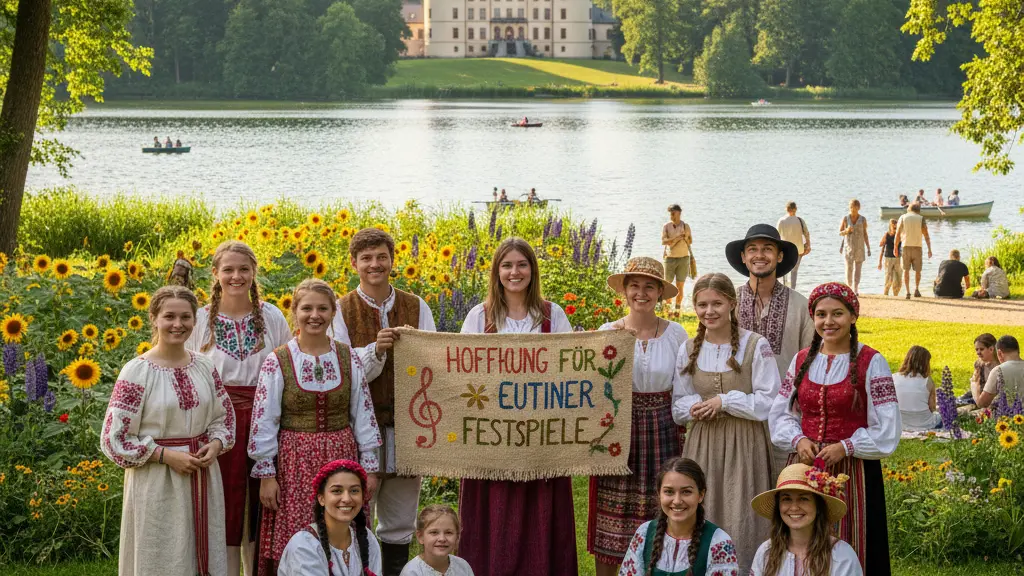
The Eutiner Festspiele, a long-running open-air opera and theatre festival in Schleswig-Holstein held on the Freilichtbühne at the Großer Eutiner See, has been cancelled for 2026 despite a visitor record that year. The festival, which began in 1951, will not hold its planned 75th edition from 26 June to 13 September 2026. Managing director Falk Herzog has resigned and cited a lack of political support as a main reason for the decision. Productions that were planned included Hair and Turandot. At the same time, the publication Deutsche Bühne has indicated it plans to continue engagement with the event, a sign of ongoing internal discussions and possible negotiations to save the festival.
Key facts
- Festival founded in 1951 and held at the Freilichtbühne on the Großer Eutiner See.
- Despite a visitor record in 2026, the 75th edition scheduled for 26 June–13 September 2026 was cancelled.
- Managing director Falk Herzog resigned and pointed to insufficient political support.
- Planned productions included Hair and Turandot.
- Deutsche Bühne reports it intends to continue involvement, suggesting negotiations or internal efforts to rescue the festival.
2. Economic impact on the region
The cancellation is likely to hit the local economy in and around Eutin hard. The Eutiner Festspiele traditionally draw thousands of visitors each season, and those visitors generate income for hotels, restaurants, local shops and service providers. Losing a full summer festival season means fewer overnight stays, lower restaurant turnover, and reduced sales for businesses that depend on cultural tourism.
- Hotels and guesthouses: reduced occupancy and bookings.
- Restaurants and cafés: fewer customers and lower turnover.
- Local retailers and market vendors: drop in sales from visiting audiences.
- Event suppliers and seasonal workers: loss of contracts and temporary jobs.
- Broader tourism sector: weaker summer season and fewer regional visitors.
| Sector | Likely effect of cancellation |
|---|---|
| Accommodation | Fewer bookings and lower occupancy during summer months |
| Food & Beverage | Decreased revenue from visiting audiences |
| Retail & Merchants | Reduced foot traffic and sales |
| Local Services & Suppliers | Lost contracts and seasonal income |
| Regional Tourism | Weaker cultural tourism draw for Ostholstein |
| Overall | Negative economic ripple effects across the region |
3. Cultural and social consequences
Beyond the direct economic losses, the cancellation affects the cultural life and identity of Eutin and the wider Ostholstein region. The festival has been a cultural landmark for decades; it brings high-quality performances, community engagement, and visibility for local artists and institutions. Losing the event diminishes cultural offerings for residents and weakens the festival’s role as a meeting place for audiences from across the region.
Identity and community
Reports emphasize that the Eutiner Festspiele function as more than entertainment: they are a cultural motor for the area, reinforcing local identity and pride. The absence of the festival removes a recurring highlight from the cultural calendar and may reduce the momentum for related initiatives, partnerships and volunteer engagement that typically surround a long-standing festival.
4. Political debate and funding options
The cancellation has sparked debate about responsibility and funding. Local politicians highlight the festival’s economic and cultural importance and many critics argue that city and state governments should provide more financial support. At the same time, other voices say the festival should diversify revenue by integrating private sponsors more deeply to reduce dependence on public subsidies.
- Increase municipal and state support to cover short-term gaps.
- Seek emergency or bridge funding while new models are negotiated.
- Engage private sponsors to diversify revenue streams.
- Explore structural changes to lower fixed costs and improve sustainability.
- Encourage community and stakeholder partnerships to share responsibility.
Calls for public funding
Supporters of increased public funding argue that municipal and regional grants are justified because the festival generates broad economic benefits and strengthens cultural life. They see targeted subsidies or emergency support as a way to protect jobs, tourism income, and the festival’s legacy.
Arguments for private sponsorship
Proponents of stronger private sponsorship say bringing in more corporate or foundation partners can reduce vulnerability to political decisions and budget changes. They suggest that a hybrid funding model could make the festival more resilient by combining public subsidies, ticket revenues and private investment.
5. Ongoing efforts and prospects for a rescue
There is still hope that the festival can be saved or restructured. The fact that Deutsche Bühne plans to remain involved suggests that conversations are ongoing and that interested parties are exploring ways to keep the festival alive. Any successful rescue will likely require coordinated action among local authorities, cultural organizations, sponsors and the community.
- Negotiate short-term emergency funding while longer-term plans are developed.
- Invite private sponsors and foundations to form partnerships.
- Consider a scaled or revised program that reduces costs but preserves core offerings.
- Mobilize local businesses and community fundraising to show support.
- Use expert mediation to align stakeholders on a sustainable model.
Role of Deutsche Bühne
Deutsche Bühne’s continued engagement can be important for mediation, visibility and expertise. Its involvement could help facilitate negotiations, attract partners, or support new programming models that align with funding realities and audience expectations.
6. Conclusion: What this means for Eutin and Ostholstein
The cancellation of the 2026 Eutiner Festspiele is a significant blow to both the cultural life and the economy of Eutin and the surrounding region. The festival’s role in attracting tourists, supporting local businesses, and shaping regional identity means the effects will be felt beyond the arts sector. Decisions in the coming weeks and months about funding, partnerships and leadership will determine whether the festival can be rescued or must be fundamentally rethought.
Protecting the Eutiner Festspiele will require clear commitments and collaboration from political leaders, cultural institutions, private partners and the community. If stakeholders act together, there remains a path to preserve this long-standing cultural asset for future seasons and to sustain the cultural and economic benefits it brings to Ostholstein.
