
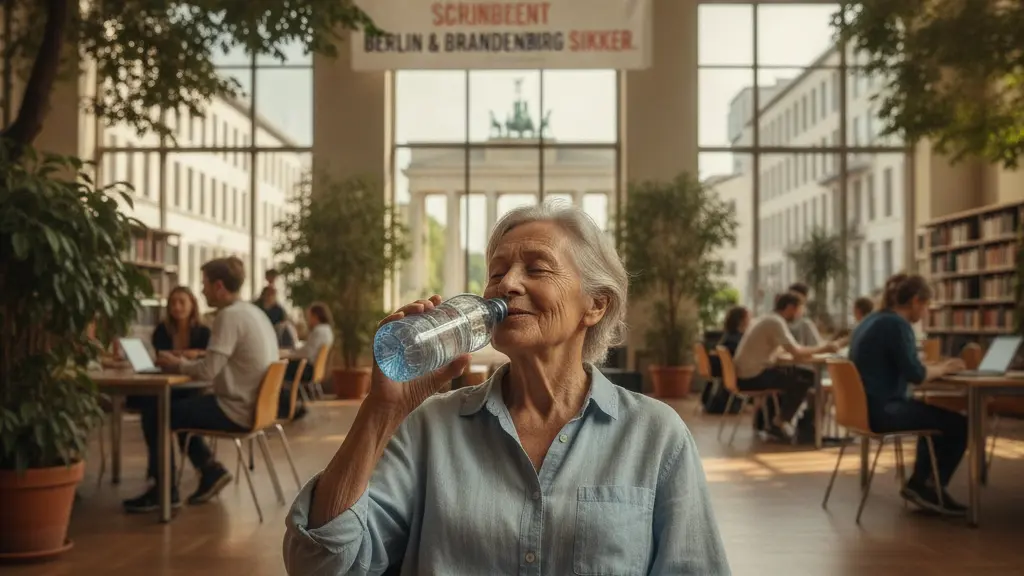
1. Current situation: rising heat and increasing deaths in Berlin and Brandenburg
This summer, Berlin and Brandenburg experienced prolonged and extreme heat with daytime temperatures approaching 40 °C and recorded peaks of about 41.7 °C in parts of eastern Brandenburg. Health authorities and data analyses show that more people died during this recent heatwave than in comparable hot periods of previous years. An international health agency reported more than 1,300 additional heat-related deaths across Europe since late June, and national figures showed several hundred heat-associated fatalities in the country already, most of them among people aged 75 or older. The rise in heat-related deaths makes it clear that intense heat is now a direct public health threat in the region.
Heat records and scope
The heatwave was not only unusually hot but lasted long enough to create serious strain on people and services. Repeated daily highs above 30 °C, multiple days near 40 °C, and new local temperature records transformed what used to be exceptional weather into a multi-day emergency that affected hospitals, emergency services, transport and everyday life in the city and surrounding state.
2. Who is most at risk?
Analyses of recent cases and longstanding research point to the same vulnerable groups. Heat causes extra harm in people who already have health problems or limited ability to protect themselves from high temperatures. Identifying and prioritizing these groups helps target care and prevention.
Vulnerable groups
- Elderly people, especially those aged 75 and older
- People with chronic heart, lung, kidney or circulatory diseases
- People with disabilities and those who are housebound
- Infants and young children
- People experiencing homelessness
Risk is higher where many very old people live in tightly built neighborhoods, in poorly ventilated or badly insulated apartments, or where green spaces and shade are scarce. In those conditions, multi-day heatwaves can turn homes into life-threatening environments.
3. Medical impacts and pressure on the health system
High temperatures can cause dehydration, heat exhaustion and life-threatening heatstroke. They also worsen existing heart, kidney and circulatory conditions, and can trigger dizziness, fainting and collapse. Emergency departments and ambulance services reported noticeably higher demand during the heatwave, and hospitals prepared for more patients with heat-related conditions.
Common symptoms and medical risks
- Thirst, reduced urine output and signs of dehydration
- Lightheadedness, dizziness and fainting from low blood pressure
- Rapid heartbeat, chest pain or worsening heart failure in people with heart disease
- Confusion, seizures or unconsciousness in severe heatstroke
- Worsening of chronic diseases leading to hospital admission
Beyond acute emergencies, heat affects routine health: a nationwide insurer analysis found that on an average hot day above 30 °C sick leave rises by about 3.5 percent, climbing to roughly 5 percent by the third consecutive hot day and around 11 percent after a full week of heat. These rises reflect broad impacts on workforce health and service capacity. Emergency services described alarm calls coming in rapidly and many shifts where incident numbers were well above typical levels.
4. Emergency response and community measures
Public authorities and communities took a mix of short-term measures to reduce risk and provide relief. Event organizers cancelled or postponed outdoor activities when forecasts predicted extreme heat. Public facilities were designated as cooling spaces and made available for people who needed a safe, cooler environment during the hottest hours.
- Designation of publicly accessible cooling rooms in libraries, town halls, community centers and churches
- Advance warnings and heat alerts urging people to avoid outdoor exertion during peak heat
- Guidance to check on elderly or isolated neighbors and to prioritize access to cool places for vulnerable people
- Operational adjustments by emergency services to handle increased calls and heat-related incidents
These measures help in the short term, but local officials noted that cooling centers must be accessible and well publicized to reach people most at risk. Community outreach and barrier-free access are essential so older and less mobile people can use these safe spaces.
5. Practical advice: how to protect yourself and others
Simple, practical steps reduce the risk of heat-related illness. These measures are easy to follow and effective for most people, and they are especially important for caregivers and people who look after vulnerable neighbors or relatives.
Everyday protection tips
- Drink plenty of water and avoid alcohol or very sugary drinks that can worsen dehydration.
- Avoid direct sun and heavy physical activity during the hottest hours; plan exercise for morning or evening.
- Keep living spaces shaded during the day and ventilate at night or when outside temperature is lower than inside.
- Wear light, loose-fitting clothing and use hats or umbrellas when outside.
- Check daily on older neighbors, people with chronic illnesses, families with small children and anyone who may be isolated.
- If you feel dizzy, very weak, confused or have a rapid heartbeat, seek medical help quickly—these can be signs of serious heat illness.
For caregivers: make sure medication storage and dosages are managed safely in hot weather and arrange transport to cooling spaces if someone cannot reach one independently.
6. Longer-term implications and the need for preparation
The recent heatwave underlines a shift toward more frequent and intense extreme heat events. Beyond immediate health impacts, high temperatures damage infrastructure—melting or deforming road surfaces, stressing power grids, increasing wildfire risk and threatening harvests. The growing number of heat-associated deaths shows that health systems and cities must adapt to a new normal.
Longer-term responses include expanding green and shaded urban spaces, improving building design to keep homes cooler, creating permanent accessible cooling facilities, strengthening early-warning systems and tailoring health-care planning to expected heat burdens. Protecting the most vulnerable—older people, those with chronic diseases, children and people without stable housing—should be central to future planning.
In the short term, following straightforward prevention steps, using community cooling options and checking on at-risk people can save lives. In the longer term, coordinated action across health services, urban planning and social programs is needed to reduce heat-related deaths and keep communities safe as extreme heat becomes more common.
