
1. Earth Day and AWO Sachsen-Anhalt: Local climate protection in action
On Earth Day, AWO Sachsen-Anhalt highlights how local climate action and community engagement come together. Communities, volunteers and local groups are taking practical steps to protect the climate, strengthen biodiversity and improve everyday life. This article explains current opportunities, local examples and clear steps for groups that want to get involved in climate protection and civic engagement.
Why Earth Day matters locally
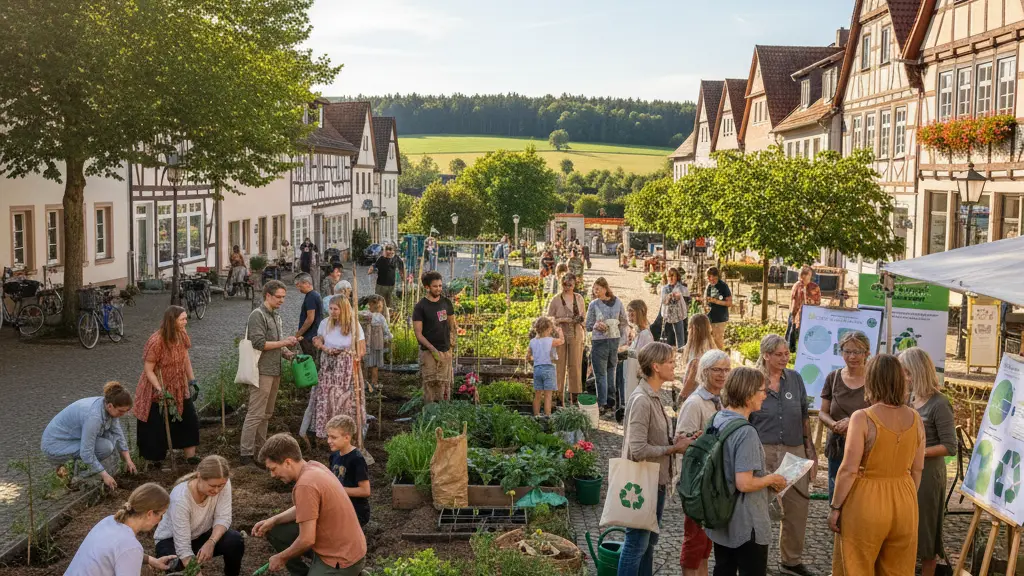
Earth Day is a moment to connect large goals—like climate neutrality—with local, hands-on projects. Local initiatives make climate protection tangible: planting trees and green roofs, protecting amphibians, restoring moors, building community benches or renovating public spaces. These concrete actions engage volunteers and show how neighbourhood-level change supports national climate targets.
2. Concrete local actions and community projects
Across Saxony-Anhalt and beyond, many projects combine volunteer work and climate protection. Local groups are building things, restoring habitats and running awareness campaigns. The focus is on practical measures that anyone can join or replicate.
Volunteer-driven nature and biodiversity projects
Volunteer projects help species and habitats directly. Examples include stork nest support and moor protection that strengthens biodiversity. In one case, a stork nest project in Malschwitz received funding of 15,100 euros to support local species. Moor protection and habitat restoration protect water, carbon stores and native plants and animals.
Public works, community building and species protection
Communities are also taking on practical building and protection tasks. Examples range from building street furniture in Perleberg to targeted amphibian protection measures at migration times. These activities combine useful local improvements with climate-friendly outcomes: more green space, safer habitats and increased community cohesion.
- Urban greening and planting: trees, community gardens, green roofs
- Habitat protection: moor restoration, amphibian crossings and nests
- Community construction: benches, planters and small public infrastructure
- Awareness and photo projects: documenting local nature and sharing results
3. Funding and deadlines — how programs support neighbourhood climate action
Several funding opportunities and competitions support neighbourhood-level climate ideas. Grants range from small amounts for immediate local activity to larger sums for more ambitious projects. Deadlines vary, so planning ahead helps groups combine funding and volunteer energy to make projects successful.
Key funding programs and deadlines
| Program or Opportunity | Focus | Typical Funding | Deadline / Region |
|---|---|---|---|
| ‘Klimaschutz nebenan’ | Neighbourhood projects in energy, mobility and greening | up to 2,000 euros | national — applications accepted until 14 June |
| Saxony-Anhalt local project applications | Environment and climate protection projects | varies | applications open until 26 April (regional) |
| ‘machen!2026’ | Engagement competition for East Germany | up to 140,000 euros | regional (East Germany) |
| Oberlausitz photo and project competitions | Local projects and documentation | up to 23,000 euros | applications until 3 August (local) |
| ‘Aktiv pro Klima’ | Small, local climate activities | up to 1,500 euros | ongoing / local |
| Note | Plan applications early and combine small and larger funding where possible. | ||
Climate neutrality goals and social considerations
National and regional discussions stress that the economy and society should become climate-neutral by 2045. Meetings such as recent conferences in Oldenburg address not only technical solutions but also social and ecological conflicts that can arise during the transition. Successful local projects consider fairness, social inclusion and long-term ecological benefits.
4. How to get involved: practical steps for groups and volunteers
Getting involved is easier than it seems. Small steps lead to visible results, build local support and attract funding. Below are practical actions and tips for groups, associations and individuals who want to contribute to local climate protection.
Step-by-step checklist for starting a local project
- Identify a local need or opportunity (habitat, public space, mobility, energy savings).
- Gather a small team of volunteers and assign roles (project lead, finance, communications).
- Research relevant funding programs and note deadlines.
- Prepare a clear, simple project description with expected benefits and costs.
- Apply for funding and secure basic materials or local support.
- Carry out the project with documented steps and photos.
- Share results with the community and funders; measure small climate and biodiversity impacts.
Earth Day is an invitation: use the momentum to start a project, join an existing effort, or apply for funding. Local climate action led by volunteers and supported by targeted grants strengthens communities, protects nature and helps reach long‑term climate goals such as climate neutrality by 2045. AWO Sachsen-Anhalt and similar initiatives show how engagement and practical measures join forces to create real change at the neighbourhood level.
Tips for successful community climate projects
- Involve neighbours and local organisations early to build ownership.
- Link biodiversity measures (like moor protection or amphibian crossings) with visible community benefits.
- Combine small grants and volunteer time to maximize impact.
- Document and promote your work with photos or simple reports — competitions and future funding often value good documentation.
- Plan for maintenance so projects last and deliver ongoing climate benefits.
