
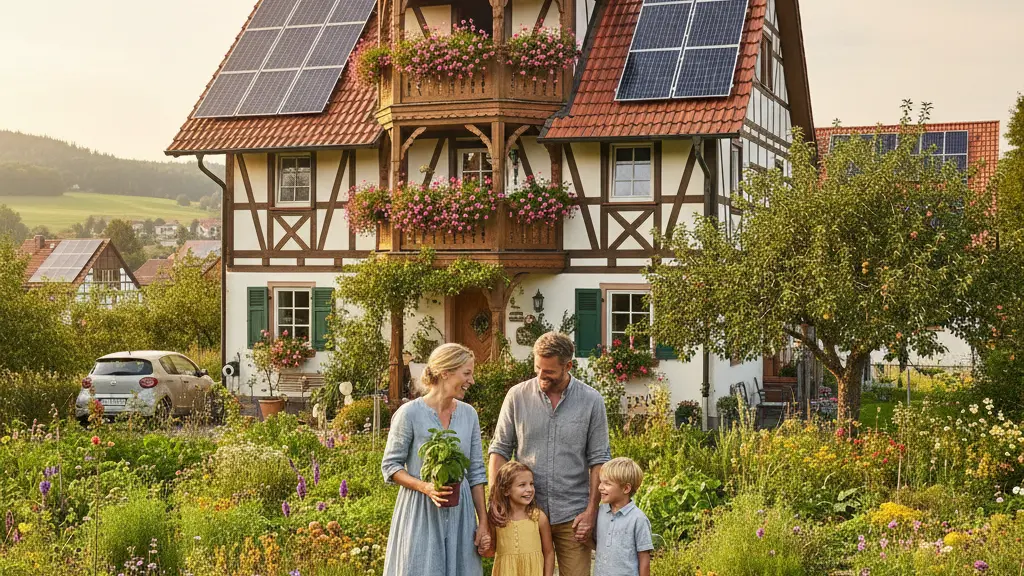
Overview of the Green Party’s Housing Proposals for Families
In 2026 the Green Party’s Bundestag members Franziska Brantner and Katharina Dröge published a positions paper proposing concrete steps to make home buying easier for families. Their plan responds to current government housing policy and focuses on reducing barriers to homeownership for middle-income families while targeting luxury property purchases with higher levies. The proposals center on changes to the property transfer tax, measures to promote energy-efficient construction, support for multigenerational living, and caps on broker fees. These ideas aim to improve affordability and align housing policy with social and environmental goals.
Key Proposals in the Positions Paper
1. Progressive Property Transfer Tax Reforms
The paper calls for reforming the property transfer tax (Grunderwerbsteuer) to make it progressive. The intent is to protect families buying their first home while applying higher rates to expensive, luxury transactions to limit speculation and support social housing objectives.
- Introduce tiered tax brackets so middle-income family purchases bear a lower tax burden.
- Apply higher rates to high-value property transactions to curb luxury speculation.
- Create targeted exemptions or reliefs for first-time buyers and families with children.
2. Energy-Efficient Building Quotas and Incentives
To combine affordability with climate goals, the paper proposes quotas and incentives for energy-efficient new construction. Consumer advocates support stronger energy performance rules as part of a wider effort to reduce long-term household costs and carbon emissions.
- Set a quota for energy-efficient new builds to raise overall building standards.
- Offer financial incentives for retrofitting and for builders who meet high-efficiency standards.
- Link certain tax reliefs to verified energy performance to encourage sustainable homeownership.
3. Support for Multigenerational Housing and Broker Fee Caps
The positions paper also recommends support for multigenerational living arrangements and an upper limit on broker commissions, both intended to lower entry costs and enable more flexible family living options.
- Grants or low-interest loans for multigenerational house projects and communal living conversions.
- An upper cap on real estate agent commissions to reduce transaction costs for buyers.
- Complementary measures such as counseling for families navigating property purchases.
Political Reactions and the Public Debate
The paper has triggered a lively debate across the political spectrum and among experts. Supporters view it as a blueprint for social housing policy, while critics warn of negative market side effects. The discussion highlights competing priorities between affordability, market stability, and investor confidence.
Opposition Views and Criticism
Some opposition voices have spoken against parts of the plan. The CDU/CSU prefers cuts to income tax as a route to relief, arguing that broader tax reductions are a better tool for families. The FDP and its finance spokesperson have warned that heavier taxation on property transactions risks deterring investors and disrupting the market.
- CDU/CSU emphasize income tax relief over purchase-related tax changes.
- FDP leaders warned of a ‘taxation frenzy’ that could scare off investors.
- Industry groups like the real estate association predict market disruption from new rules.
- Consumer groups and environmental organizations back energy and family-focused measures.
Potential Impacts: Benefits and Concerns
Analysts outline a mix of potential benefits and risks. The proposals could lower upfront costs for many families and steer construction toward energy-efficient buildings. However, experts also caution about possible rises in construction expenses and short-term market uncertainty.
Risks and Economic Questions
Economic institutes and industry representatives warn that regulatory changes and higher standards could raise building costs and slow supply if not carefully designed. Balancing social aims with market stability will be key to implementation.
- Economic models suggest construction costs could increase, with some estimates up to around 15 percent in specific scenarios.
- Higher transaction costs or stricter requirements may temporarily reduce market activity.
- Investors could shift away from certain segments if profitability is affected, influencing available supply.
What the Proposals Mean for Families Looking to Buy
For families, the measures aim to reduce the upfront financial hurdle of buying a home and to support longer-term affordability through energy savings. Practical measures like broker fee caps and first-time buyer relief are intended to have an immediate, positive effect on household budgets.
Practical Benefits and How Families Might Notice Them
If adopted, the measures could make a real difference for middle-income households, helping them access affordable financing and lowering closing costs. Energy standards would also reduce monthly utility bills over time.
- Lower effective purchase taxes for many first-time and family buyers.
- Lower broker commissions reduce upfront transaction costs.
- Support for multigenerational living expands affordable housing options within families.
- More energy-efficient homes lead to lower running costs over the long term.
Next Steps and Likely Timeline
The Greens present the positions paper as a blueprint for a more social housing policy and will aim to have its ideas influence legislative proposals. Debate in parliament, input from industry and consumer groups, and possible cost assessments will determine which measures move forward.
From Proposal to Policy
In 2026 the paper sets the agenda, but any concrete changes will require negotiations across coalition partners, impact assessments, and consultations with experts. Timelines will depend on political will and technical preparation of draft laws.
Conclusion and Key Takeaways
The Green Party’s proposals focus on making home buying more accessible for families by reshaping taxes, promoting energy-efficient homes, supporting multigenerational living, and capping transaction costs. The plan has clear social and environmental goals, but also raises economic questions that will shape the coming debate. Families, industry stakeholders, and policymakers will watch how the proposals evolve into concrete measures.
- home buying
- families
- property transfer tax
- Grunderwerbsteuer
- affordability
- energy-efficient construction
- multigenerational houses
- broker fees
- housing policy
- real estate market
