
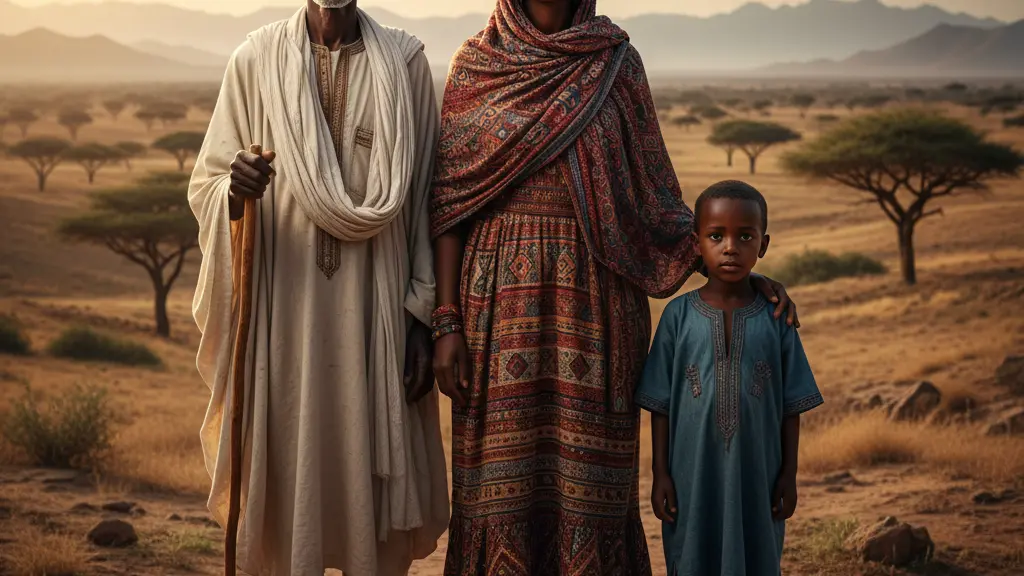
1. Sudan conflict and humanitarian crisis
The brutal civil war in Sudan is approaching its third anniversary with no clear end in sight. Independent reports show the humanitarian crisis continues to worsen: displacement is high, access to basic services is shrinking, and protection rates for refugees are falling. Despite some declines in official protection quotas, the situation in Sudan and neighboring countries remains extremely precarious for civilians, with urgent needs for food, shelter, and medical care.
Humanitarian situation on the ground
On the ground, hospitals and clinics face shortages of supplies and staff, while aid organizations struggle to reach affected communities. The conflict has damaged health infrastructure and increased the risk of disease outbreaks. Refugees and internally displaced people report limited access to clean water, food, and protection, and many depend on emergency assistance that is stretched thin.
Regional and international impact
- Cross-border refugee flows put pressure on neighboring countries and humanitarian systems.
- Health risks increase regionally as disrupted services and crowded living conditions raise the chance of epidemics.
- International aid access is complicated by security challenges and political obstacles.
- Long-term recovery will require sustained funding, reconstruction of health systems, and political solutions to end the fighting.
2. Health reforms and political debate in Germany
In Germany, Health Minister Nina Warken (CDU) is under heavy pressure amid a heated debate over health system reform. The government faces a list of 66 expert proposals aimed at saving around 42 billion euros, and the coalition is considering linking health spending to revenues as a measure to stabilize contributions. The debate has sharpened political tensions as parties, insurers, the pharmaceutical sector, and hospitals weigh in.
Key proposals and reactions
- Reduce the number of statutory health insurers (Krankenkassen) — CDU-General Secretary Carsten Linnemann has called for a radical consolidation to about ten funds, arguing that Germany has one of the most expensive and inefficient health systems.
- Link spending to revenue — coalition plans would tie future health expenditures to available income to keep contributions stable, a step welcomed by some Krankenkassen as a clear signal for predictable funding.
- Expert savings package — 66 expert recommendations totaling roughly 42 billion euros aim at long-term sustainability but require political agreement and public acceptance.
Potential impacts and concerns
Centralizing insurers could streamline administration but also risks disrupting competition and local relationships. The pharmaceutical industry and hospitals warn that aggressive cuts or restructuring could prompt relocations or service reductions, potentially weakening patient care. For Nina Warken, balancing fiscal responsibility with protecting healthcare quality and stakeholder concerns is a delicate political task.
3. Political moves in Baden-Württemberg: Cem Özdemir
Green politician Cem Özdemir is moving closer to his goal of becoming Minister-President in Baden-Württemberg. Preliminary talks with the CDU have made progress, and both sides are negotiating seriously. Özdemir highlights shared priorities in economic policy, climate protection, and strengthening trust in democratic institutions as the talks advance portfolio by portfolio.
Where talks stand
- Negotiations are reportedly constructive, with both parties discussing concrete policy areas and ministries.
- Common ground has been found on several topics, including economic stability and climate goals.
- The process continues with careful, step-by-step bargaining over responsibilities and program details.
Significance for regional politics
A successful Green–CDU agreement in Baden-Württemberg would reshape state governance and could influence coalition thinking elsewhere. It would show how pragmatic compromises on economy and climate can form the basis for cross-party cooperation, and it could boost Cem Özdemir’s profile while testing how parties manage trade-offs in power-sharing arrangements.
4. What to watch next and broader implications
These developments — the deepening crisis in Sudan, intense health reform debates in Germany, and political negotiations in Baden-Württemberg — illustrate overlapping global and domestic challenges. Humanitarian needs in Sudan demand continued international attention, while Germany’s internal reform fight will shape the future of its health system and political landscape. Observers should watch how decisions on spending, insurer consolidation, and coalition deals unfold in the coming weeks.
- Sudan: monitoring humanitarian access, protection levels for refugees, and any diplomatic moves toward ceasefire or negotiations.
- Germany health reforms: Nina Warken’s response to the 66 expert proposals and how the coalition implements revenue-linked spending.
- Krankenkassen consolidation: whether the plan to reduce the number of insurers gains political traction and what guarantees are offered for hospitals and patients.
- Baden-Württemberg talks: the final outcome of Greens–CDU negotiations and the composition of the next state government.
