
1. Gaby Baginsky’s situation: a long career, a small pension
Gaby Baginsky, the 72-year-old pop and schlager singer known for long-standing hits, is facing a surprisingly modest state pension after more than five decades in the music business. Despite steady contributions to the artists’ social insurance scheme throughout her career, Baginsky reports a monthly pension of roughly 1,000 euros. She sums up the awkward reality plainly: she doesn’t get much pension, and that amount barely covers ordinary expenses.
1.1 Everyday realities and quotes
Baginsky has been open about her choices and priorities. She emphasizes that she will not follow certain beauty trends — she says she won’t do Botox — and that her retirement security comes from practical, long-term steps rather than luxury spending. She also stresses that she releases new music out of passion, not out of necessity.
- Monthly state pension: around 1,000 euros.
- Monthly cat food costs: about 1,000 euros for eleven cats.
- Continues to record and release music for love of the craft.
- Rejects cosmetic shortcuts like Botox.
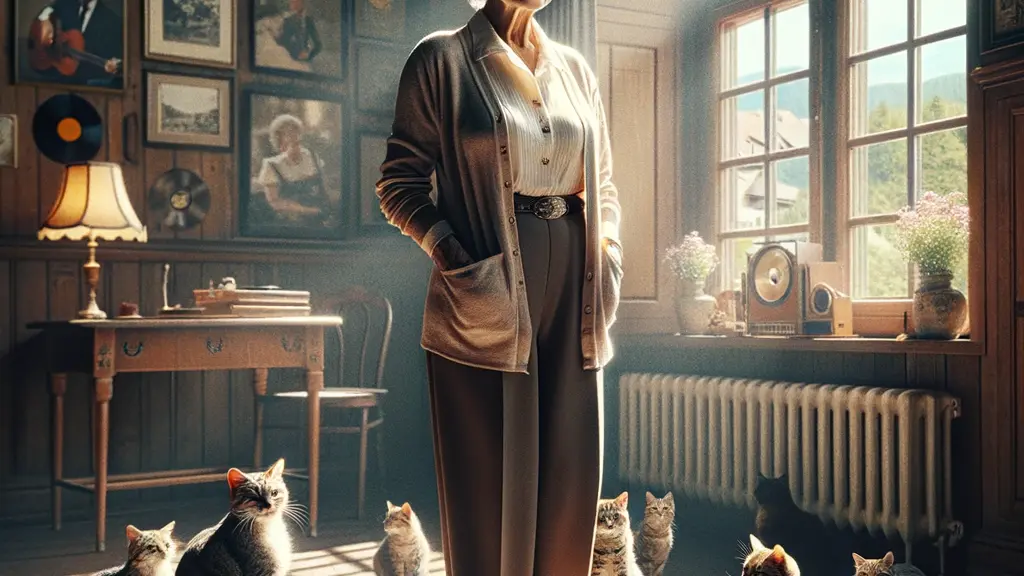
Her everyday life illustrates the gap: Baginsky and her husband look after eleven cats and she notes that the couple spends about 1,000 euros a month on cat food alone. That detail underlines how quickly a small pension can be eaten up by routine costs, even for someone who has been professionally active for decades.
2. Why many self-employed artists end up with low pensions
Baginsky’s story points to a broader issue: many self-employed artists and performers are underinsured for retirement. Irregular incomes, gaps between paid work, and reliance on project-based contracts make it hard for musicians to accumulate large state pensions. Even when artists contribute to specialized social insurance schemes, the final pension can remain small unless supplemented by private savings or property assets.
2.1 Voices from the industry
Baginsky’s concerns echo similar complaints from other artists who warn that social protection for self-employed creatives is inadequate. Colleagues have highlighted how the system leaves many performers exposed during old age, reinforcing the call for improved pension provisions for freelancers and artists.
- Pierre Sanoussi-Bliss and Uschi Bauer are among those who have raised similar issues about insufficient protection for self-employed professionals in the cultural sector.
- Many performers report that television bookings and event programming focus on a narrow set of big names, making it harder for long-term professionals to stay financially secure.
In addition to income volatility, visibility and booking practices in the entertainment sector contribute to financial insecurity. Television and high-profile shows often prioritize current chart-toppers and top stars, which reduces steady opportunities for older or mid-career artists to earn higher fees and maintain public exposure. That dynamic affects both earnings and the ability to save for retirement.
3. Baginsky’s practical approach: private planning and property
Rather than rely solely on public pension systems, Baginsky and her husband have prepared a quieter retirement through private measures. She highlights their home as a key asset — calling it ‘our money for old age’ — and emphasizes steady, down-to-earth choices like property investment instead of luxury consumption.
3.1 Coping strategies used by Baginsky
- Private savings and pension provisions alongside the state pension.
- Owning a home used as a long-term safety net and source of security.
- Continuing artistic work for passion rather than immediate financial need.
- Choosing a modest lifestyle and prioritizing essentials over costly trends.
Her approach mixes continued creative activity with pragmatic financial planning: she still records and releases music out of passion, keeps a modest lifestyle, and relies on private savings and real estate to provide stability during retirement.
4. What Baginsky’s story means for the music industry and public debate
Baginsky’s situation raises wider questions about how societies support creative workers. When experienced artists receive small pensions despite decades of contribution to the cultural life of a country, policymakers, industry leaders, and audiences might reconsider how to improve retirement security for self-employed talent.
4.1 Key takeaways
- Long creative careers do not always lead to secure state pensions for self-employed artists.
- Private planning and property can be decisive safety nets, but not all artists have access to them.
- Industry booking practices and limited visibility for older artists worsen long-term financial risk.
- Policy adjustments and better social insurance options could help close the pension gap for freelancers in culture.
Possible responses include better-targeted pension products for freelancers, clearer incentives to save during years of higher earnings, and industry practices that keep a broader range of artists visible and employable. Public conversations about arts funding and social insurance could help reduce the pension gap for older performers.
5. Conclusion
Gaby Baginsky’s experience is a clear example of the retirement challenges many self-employed artists face: modest state pensions, high living costs, and uneven opportunities in the music business. Her grounded response — private savings, property, and continuing her art for love rather than necessity — offers one model, but it also highlights the need for broader discussion and better protections for freelancers in the cultural sector. Her story invites fans, industry professionals, and policymakers to rethink retirement security for those who have given decades to the arts.
