
Overview: What the new law does
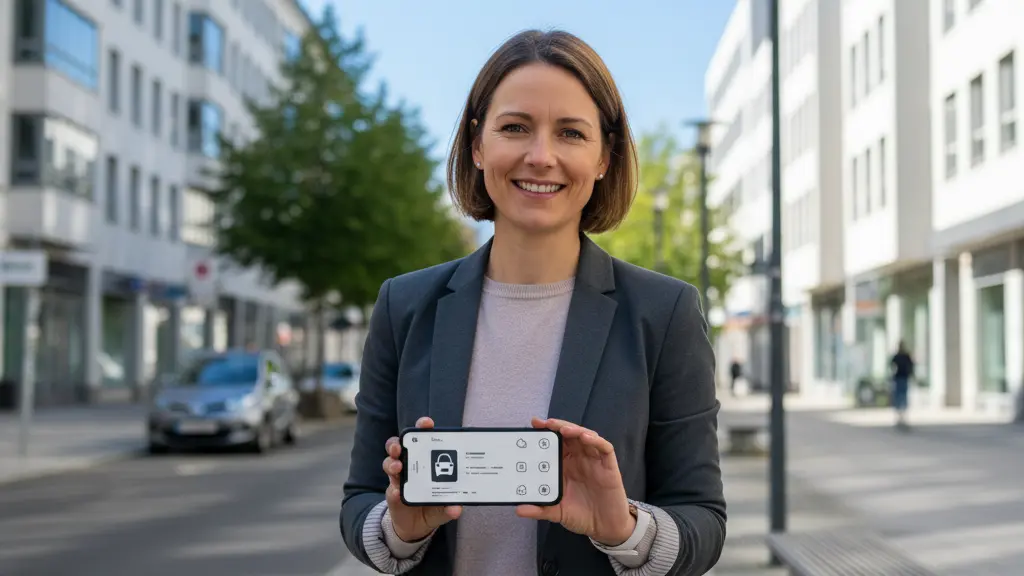
On 26 March 2026 the federal government updated the road traffic law to create the legal basis for a digital driver’s license as a supplementary electronic document alongside the physical card. The digital driver’s license will be introduced in the national i-Kfz app and is scheduled to be available by the end of 2026. The physical card driver’s license remains valid; the digital version is intended to make everyday situations like car rental, carsharing and ID checks easier and faster.
What a digital driver’s license is and how it will work
The digital driver’s license is an electronic representation of the existing card license, not a replacement. It will be issued as a supplementary digital ID in the i-Kfz app, allowing drivers to present proof of their driving entitlement on a smartphone in addition to carrying the physical card. This digital ID is designed to be used in routine situations where proof of driving permission is required, such as renting a vehicle, using carsharing services, or when authorities request identification.
Key characteristics
Important features described in the law include: the digital driver’s license serves as an additional electronic document; it complements the physical card rather than replacing it; and it is integrated into the i-Kfz app for everyday use.
Legal timeline and related deadlines
The law was formally revised on 26 March 2026 to permit the digital driver’s license. Authorities expect the digital version to be available in the i-Kfz app by the end of 2026. In parallel, a separate administrative deadline required old-style licenses issued between 1999 and 2001 to be exchanged for the EU-format card by January 2026, a process that complements the move toward digitalization.
Benefits and practical use cases
The digital driver’s license aims to reduce bureaucracy and simplify everyday mobility. It supports digital ID use, streamlines interactions with rental companies and carsharing providers, and is expected to facilitate new services that rely on secure digital proof of driving entitlement.
- Faster identity checks for rental cars and carsharing services.
- Reduced paperwork and administrative burden for drivers and authorities.
- Support for innovation in autonomous driving and connected mobility solutions.
- Convenience: carrying a usable electronic ID in the i-Kfz app in addition to the physical card.
Privacy, security and open questions
Data protection and secure handling of personal information are central concerns for any digital ID. The Green party pushed for a fully digitalised parking-control system with a high level of data protection, and parts of those demands were included in the law. While the law introduces digital convenience, it also raises questions about how sensitive data—especially parking and location-related information—will be managed, stored and accessed.
- Data minimization and purpose limitation should guide how the digital license is used in apps.
- Clear rules are needed on who can access verification data and under what conditions.
- Technical safeguards are essential to prevent misuse of personal or parking data.
Other measures included in the law
Digital vehicle documents
The law also provides for the digitalisation of vehicle papers, enabling electronic access to registration documents and related records. This step is intended to modernise vehicle administration and reduce paperwork for vehicle owners and authorities.
Smart parking and parking permits
Legislation includes provisions for smarter parking management with more effective controls and the digital registration of parking permits for people with disabilities. The Greens’ proposal for comprehensive digital parking control with strong data protection influenced these measures, and the law introduces expanded resident parking permits for craftsmen and care services to support local needs.
Ban on commercial points trading and new fines
The law adds rules to prohibit the commercial trading of penalty points (a practice that enables drivers to avoid sanctions through third parties) and introduces new fines to sanction fraudulent behaviour in traffic offence processing. These measures aim to close loopholes and strengthen the integrity of the traffic penalty system.
Political support, reactions and a key quote
The digitalisation package was supported by CDU/CSU, SPD and the Green party; the AfD voted against it. Federal Minister of Transport Patrick Schnieder described the change as a practical simplification of everyday life and signalled that this is the start of further digitalisation steps such as a central internet-based vehicle registration and a European wallet app. Public sources generally praise the law for reducing bureaucracy and encouraging innovation in mobility, while some voices highlight privacy concerns around sensitive parking and location data.
Quote from the Transport Minister
As stated by the federal transport minister: “With this digital solution we simplify everyday life for people.” The minister also framed the measure as a starting point for broader digital services in vehicle administration and cross-border solutions.
How drivers should prepare and what to expect
Drivers do not lose the validity of their physical card: the digital license supplements it. To be ready for the change, drivers should ensure their physical driver’s license is valid and, if they held a license issued between 1999 and 2001, confirm that it has been exchanged for the EU-format card as required by January 2026. When the digital driver’s license becomes available, users should look for updates to the i-Kfz app and follow official instructions to access their electronic document.
- Check your physical driver’s license for validity and format.
- If applicable, verify that licenses from 1999–2001 have already been exchanged for the EU-format card.
- Watch for official information and i-Kfz app updates announcing availability of the digital license by the end of 2026.
- Follow app guidance on how to present the digital license when renting vehicles, using carsharing, or during identity checks.
Conclusion and outlook
The new legal framework for a digital driver’s license marks a clear move toward digital mobility services and streamlined administration. It promises convenience for drivers, potential efficiency gains for authorities, and support for innovation in areas such as autonomous driving. At the same time, strong data protection safeguards and transparent rules on access to sensitive information will be essential to maintain public trust as these digital services roll out.
