
Embracing German on a Global Stage
The Eurovision Song Contest 2026 in Vienna offers a rare, high-profile opportunity to showcase German as a living, musical language. This moment combines local identity, international music, and language diversity in one global event. Embracing German-language songs and dialects can strengthen national identity while inviting international audiences to experience the richness of German in contemporary pop and performance.
A timely stage for language diversity
With millions watching from around the world, the contest becomes a powerful platform for language diversity. German on this stage can be more than lyrics: it can be a cultural bridge that highlights Austria’s and other German-speaking regions’ contributions to music, storytelling and performance.
Greenroom, Vienna and Austrian identity
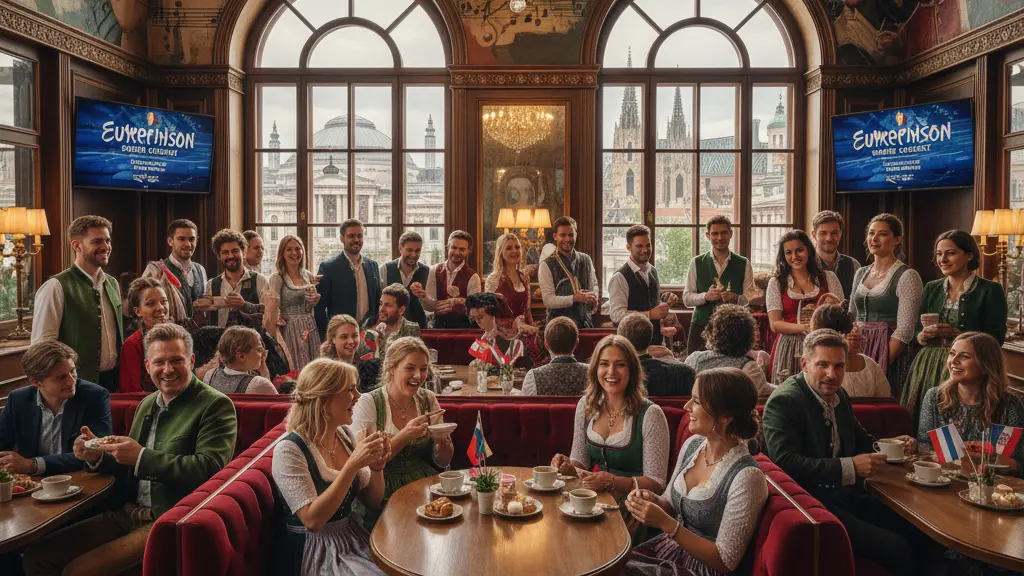
The event’s creative choices place Austrian culture at the heart of the show. The Greenroom has been reimagined to echo Vienna’s famed coffeehouse tradition, weaving local identity into the contest setting. This design decision sends a clear message: German and Austrian cultural forms belong on the international Eurovision stage.
Greenroom as a modern Viennese coffeehouse
As ORF’s program director described, the Greenroom is presented as a modern interpretation of a Viennese coffeehouse, bringing a piece of Austria into the live broadcast. This choice not only celebrates local culture but also positions German as a vibrant and contemporary language in which artists can express themselves during rehearsals, interviews and informal moments.
How German can enrich performances
Experts and local initiatives encourage using dialects, colloquial expressions and everyday language to create authenticity. When artists sing or speak in German, they can add textures and nuances that English alone may not convey. Radio and podcast formats that highlight German-language music further nurture this creative environment.
Dialects and everyday language on stage
- Include regional dialect phrases or lines to convey local color and emotional detail.
- Mix German with musical styles from pop to ballad to showcase versatility.
- Use spoken-word bridges or spoken intros in German to create intimacy and storytelling depth.
Radio, podcasts and local initiatives
Local radio formats and podcasts already support German-language creativity, offering covers, interviews and discussions that normalize German in pop contexts. These platforms can help build momentum for German entries and familiarize international listeners with German-language music before and during the contest.
Balancing authenticity and international reach
There is a practical debate: German can bring authenticity and cultural richness, while English often offers broader immediate reach. The strongest approach uses both thoughtfully—keep key lines or hooks accessible while letting verses, emotion and character be expressed in German.
- Prioritize emotional authenticity: let the song’s heart be in the language that serves it best.
- Use bilingual choruses or clear melodic hooks to help international audiences remember and sing along.
- Support German entries with subtitles, translations and contextual storytelling during broadcasts and online content.
Security, sustainability and the wider event mission
Language and culture are part of a larger event ecosystem that includes safety and environmental responsibility. Protecting the contest and minimizing its footprint helps ensure a successful, inclusive festival where language diversity can thrive.
Safety measures for a global event
Organizers emphasize comprehensive safety planning for venues and audiences. As one senior official noted, the response to heightened threats relies on experience, expertise and international networks to keep artists and fans safe throughout the competition.
Sustainability and a learning project
The production aims for strong sustainability credentials, including dual environmental certification and efforts to reduce CO₂ emissions. The goal is to make the contest a learning and reference project for large events worldwide, showing that major cultural gatherings can be both celebratory and responsible.
Dates, venue and how to take part
The contest takes place in Vienna, with key live shows on 12, 14 and 16 May 2026 at the main venue. Thirty-five countries are set to participate, creating a broad international stage where German-language entries can stand out and inspire conversation about language diversity in music.
| Event | Date | Venue |
|---|---|---|
| Semi-final 1 | 12 May 2026 | Wiener Stadthalle |
| Semi-final 2 | 14 May 2026 | Wiener Stadthalle |
| Grand Final | 16 May 2026 | Wiener Stadthalle |
| Participants | 35 countries | |
Make the most of this moment: support German-language songs, celebrate dialects and everyday speech, and encourage artists to use this global platform to show how German enriches contemporary music. By blending local charm with international ambition, Vienna 2026 can highlight German as a dynamic language of song.
