
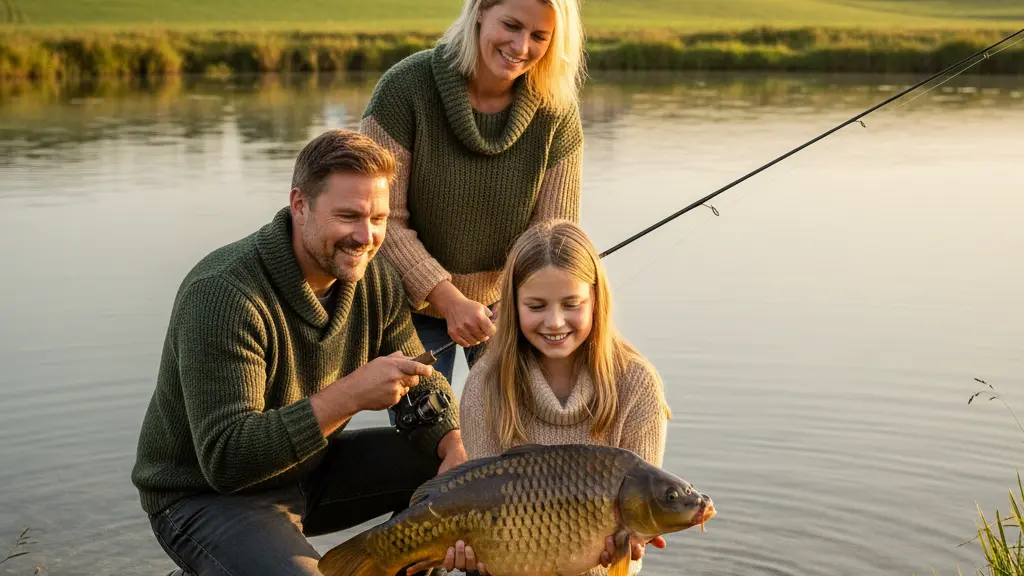
1. The Thiel family’s leap: from Hartz IV to a Danish fishing pond
Andreas (36), Doreen (33) and their young daughter left their life on Hartz IV in Germany to try to build a new future in Denmark. Their plan: lease a fishing pond and a holiday house, stock the pond with fish and charge hobby anglers a fee to fish. The idea sounds simple and clean-cut, but the reality has been much harder. They began with a start capital of 5,000 euros, Andreas spent 2,000 euros on fish alone, and the monthly cost for pond and holiday-house lease is 2,500 euros. An opening event in winter already ended with a 700-euro loss, and three months after the move the family is under financial pressure and even considering returning to Germany.
2. The business model: how the fishing pond was supposed to work
The concept is a straightforward small business model in rural entrepreneurship and the leisure fishing sector: buy fish, stock the pond (fish stocking), maintain the site and sell short-term fishing access to hobby anglers. Income depends on steady visitor numbers, repeat customers and seasonal demand for recreational fishing. In theory, fees from anglers plus any holiday-house rentals should cover operating costs and generate a living for the family.
Planning gaps and early signs of trouble
The family’s story shows big optimism but limited planning. Sources describe disagreements already during the move and a lack of a detailed business plan. Practical details such as marketing, local customer acquisition and contingency funds appear to have been underestimated. Support from Andreas’ family helped the physical move, but did not replace a clear operational strategy.
Costs, cashflow and initial losses
Start-up numbers are tight: a total start capital of 5,000 euros, 2,000 euros spent on fish and 2,500 euros per month due for lease of the pond and holiday house. A single opening event in winter resulted in a 700-euro loss. Those figures highlight how quickly a small business can face cash-flow problems when revenue is low or seasonal.
3. Environmental and operational hurdles
Beyond money, the pond business is vulnerable to environmental and operational issues. Warmer temperatures have encouraged algae and weed growth that make fishing difficult, and Andreas sums up the problem bluntly: ‘The “Kraut” makes fishing in the pond nearly impossible.’ When the water is overrun by vegetation, customers stop coming and the basic revenue model collapses.
Seasonality and local competition
Seasonal patterns are crucial: winter openings can be tough, spring and summer can bring both more anglers and ecological challenges such as algae blooms. The Thiels also face local competition: nearby ponds with more steady visitor numbers underline how difficult it is to attract anglers without solid marketing, community links and reliable water management.
4. Family life, isolation and stress
The move affects family life as well. Doreen is not enthusiastic about fish but agreed to follow Andreas to Denmark. The rented holiday house is remote, and financial strain adds pressure to daily life and the couple’s relationship. Sources report that tensions and doubts about the project emerged within months, and the threat of returning to Germany appeared quickly.
Support networks and emotional costs
On the positive side, family support helped with the relocation and early setup. On the negative side, emotional costs—stress about money, isolation and disagreements—can erode resilience. This blend of practical and personal challenges is common in family-run start-ups, especially when the move involves emigrating and starting fresh in a different country.
5. What could change their fate? Practical steps and options
The Thiels’ situation is risky but not hopeless. Small businesses and rural enterprises often survive early setbacks by improving planning, cutting costs, boosting marketing and adapting operations to local conditions. Key areas to focus on include realistic budgeting, attracting anglers through targeted outreach, and addressing ecological issues that prevent fishing.
- Review finances: update a realistic budget and build a short-term cash buffer to cover lease and basic expenses.
- Improve marketing: reach local communities, hobby-fishing clubs and holiday guests with clear offers and small events when conditions allow.
- Address pond health: seek advice on algae and weed control, regular maintenance and water management to keep fishing possible.
- Diversify income: explore complementary uses of the site (small events, workshops or holiday-house marketing) to reduce dependence on daily fishing fees.
- Negotiate costs: talk to the landowner about temporary rent adjustments or phased payments if cashflow is tight.
- Plan seasonally: adapt opening times and events to when the pond is healthy and anglers are most likely to visit.
6. Conclusion: hope balanced by realism
The Thiels took a brave step to leave Hartz IV and try self-employment in Denmark with a leased fishing pond. Their story highlights the promise of entrepreneurship—and the risks when optimism outpaces planning. Environmental problems like algae, steady lease costs and low visitor numbers have already put them under strain. Whether a Danish pond can ultimately save the family depends on practical improvements: better planning, stronger marketing, effective pond management and financial restructuring.
For readers tracking their journey, this family’s experience is a reminder that small-business dreams need careful groundwork. Attention to cash flow, environment, and family well-being will determine whether hope becomes a sustainable livelihood or a brief chapter before a return home.
