
1. Volkswagen’s sudden six billion euro cashflow
In 2026 a major automotive group surprised markets and employees when its finance chief announced a sudden improvement in cashflow of around six billion euros. The move triggered sharp criticism from the works council, which demanded full transparency and raised alarms about possible accounting or balance-sheet maneuvers that could be linked to large executive bonuses. Media coverage questioned how such a large cash position could appear so quickly and described a range of legal accounting techniques that can alter the appearance of cashflow and earnings.
| Claim | Concern |
|---|---|
| Sudden €6 billion cashflow | Possible accounting maneuvers and need for transparent audit |
| Executive bonuses | Perception of unfair rewards if underlying performance is unclear |
| Works council protest | Demand for explanation, potential reputational and labor tensions |
| Issues: governance, transparency, worker trust | |
Accounting issues and worker reactions
Workers and union representatives worry that clever accounting or one-off transactions might be masking the company’s true operating performance. The works council called for clarification, arguing that apparent windfalls should not be used to justify multimillion-euro bonuses for top executives without clear, independently verified explanations. The episode put questions of corporate transparency, auditor scrutiny and governance squarely back on the agenda.
- Timing moves: changing the period in which income or expenses are recorded to shift results between quarters.
- Reclassifications or one-off transactions: using asset sales, special items or balance-sheet reclassifications to boost reported cashflow temporarily.
- Use of financing and working capital levers: short-term financing, supplier payment terms or leasing structures can affect reported liquidity.
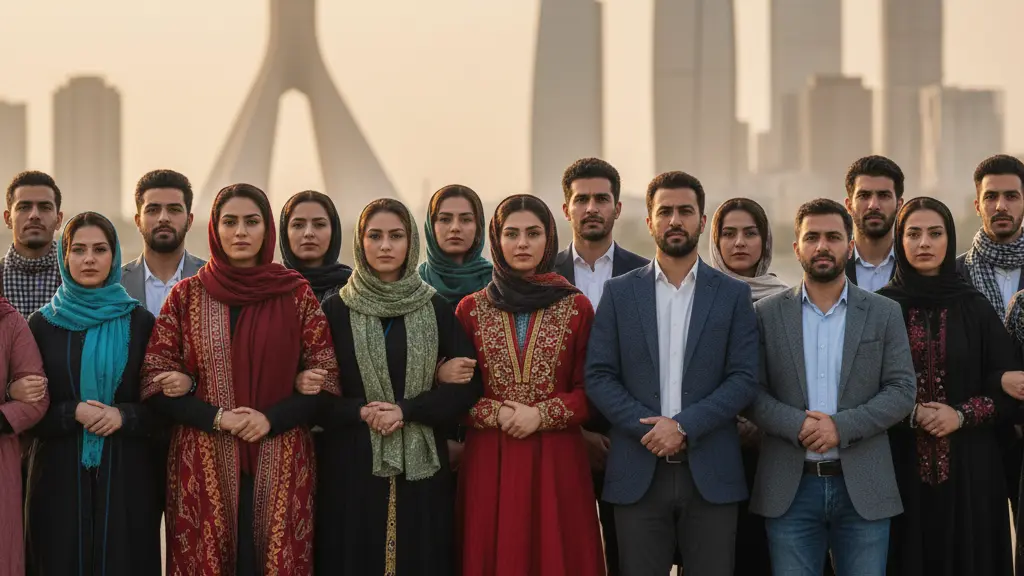
2. Iran: deadly repression and international outrage
Since the escalation of protests on 8 January 2026, independent observers and human rights organizations report an extremely violent crackdown. Security forces are accused of using lethal force against demonstrators, including headshots, resulting in thousands of deaths. Authorities reportedly carried out mass arrests, torture, and wide internet blackouts, while independent organizations documented systematic and fatal abuses. Official state media downplayed the events, but multiple independent sources describe a pattern of brutal repression.
| Actor | Reported Finding or Statement |
|---|---|
| Human rights organizations | Documented mass killings, mass arrests, torture |
| Political bodies | Condemnations describing massive violence and high casualty numbers |
| Local civil society groups | Alerted to deadly repression and risk of deportation/forced returns |
| Common themes: large-scale violence, information suppression, urgent need for independent inquiry | |
Human rights findings
Investigations by human rights monitors documented mass killings, widespread arrests and credible reports of torture. Observers also warned that minorities and marginalized communities appear to be particularly affected. The scale and nature of the reported violence — including shots deliberately aimed to kill — have prompted strong condemnations and calls for independent investigations and international scrutiny.
- Shooting of demonstrators, often reported as headshots and lethal force
- Mass arrests and reports of detention-related abuse and torture
- Internet blackouts and information suppression to limit independent verification
- Threats of executions and severe penalties for protesters
- Particular targeting of minorities and vulnerable groups
Impact and international response
International bodies and regional representatives voiced alarm at the reported scale of violence and urged measures to protect civilians. Human rights groups called the actions brutal and mass-scale, while political bodies described the events as massive violence with hundreds to thousands of casualties. Local refugee and civil society groups warned of deadly repression and urged protective measures for people at risk. The information blackout and contrasting official narratives complicate independent verification, making documented testimonies and NGO reports crucial for understanding events.
3. Public sector pay battle and looming strikes
In the public sector, collective bargaining in 2026 escalated as unions demanded a 7 percent pay rise or at least €300 more per month to offset inflation and rising costs. Employers representing the states offered smaller, staged increases above inflation spread over several years, plus measures for trainees. Unions described these offers as vague and insufficient, signaling a need to intensify pressure and expand strike actions if talks do not deliver a fair result. Negotiations scheduled for February could lead to open-ended industrial action.
| Side | Demand / Offer |
|---|---|
| Unions | 7% or at least €300 more per month; stronger protections for lower-paid staff |
| Employers (states) | Staged increases slightly above inflation in three steps through 2028, trainee packages |
| Existing agreements | TVöD increase of 2.8% from May 2026 for federal and municipal employees |
| Outcome depends on negotiations, strike threat used as leverage | |
Positions, offers and what’s at stake
Unions emphasize real wage protection, fairness for lower-paid public employees and meaningful one-off or recurring increases. Employers propose multi-step increases in three phases until 2028 and training packages for apprentices, seeing this as a responsible, sustainable approach. Already-agreed arrangements for some federal and municipal employees include a smaller increase of 2.8 percent from May 2026, which unions say does not meet the needs of many staff.
- Negotiation round (11–13 February 2026): key opportunity for compromise.
- Escalation: unions prepared to widen strikes and consider indefinite action.
- Possible settlement: compromise on percentage and minimum flat-sum increase, plus improvements for trainees.
