
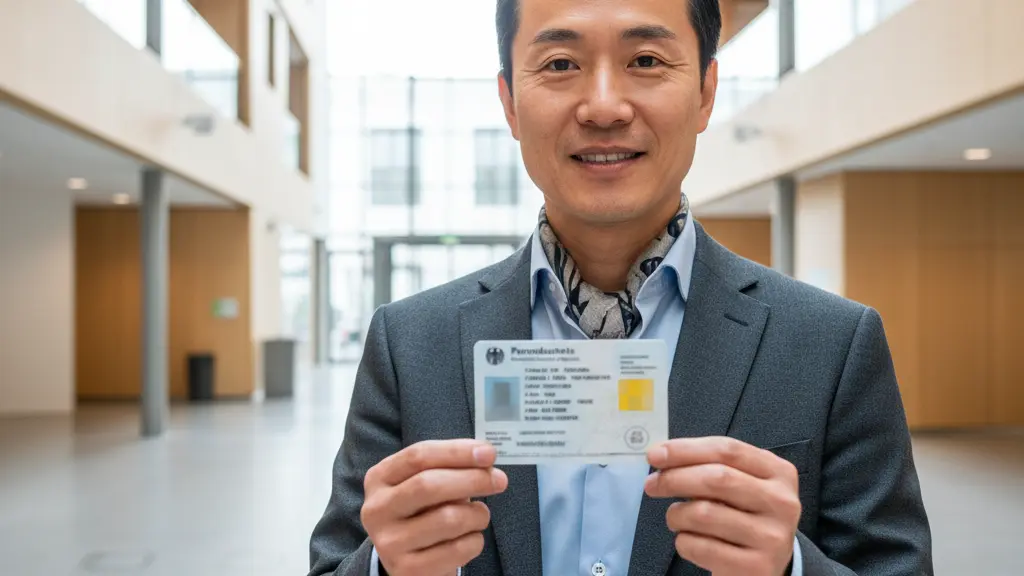
What changes for ID card fees
From early February 2026, fees for the German national ID card (Personalausweis) will increase. The change affects adults and younger citizens differently and also changes the price of the special travel document issued by the federal police. This section explains the new amounts and when they apply.
| Document | Old fee | New fee (from 7 Feb 2026) |
|---|---|---|
| Personalausweis (age > 24) | €37.00 | €46.00 |
| Personalausweis (age <= 24) | €22.80 | €27.60 |
| Reiseausweis (federal police) | €8.00 | €32.00 |
| Preliminary ID card (vorläufiger Personalausweis) | unchanged | unchanged |
| Passport | unchanged | unchanged |
| Effective date: 7 February 2026 | ||
Effective date and new prices
The fee change takes effect on 7 February 2026. Adults older than 24 years will pay €46 for a new or renewed Personalausweis (previously €37). Citizens under 24 years will pay €27.60 (previously €22.80). The Reiseausweis (travel document issued by the federal police) rises from €8 to €32. Fees for provisional ID cards and passports remain unchanged.
Why the fees are rising
The Federal Ministry of the Interior points to higher production and personnel costs as the main reason for the increase. The new fees were set in a regulatory order that reflects increased administrative expenses for producing secure ID cards and handling applications. In short, administrative costs and manufacturing expenses are being passed partly onto applicants through higher administrative fees.
Approval process and timing
The fee adjustment was originally planned to begin in January 2026 but was delayed after objections in the Bundesrat. Following revisions requested during the Bundesrat review, the final regulation was approved on 30 January 2026 and made effective as of 7 February 2026. These steps show that changes to administrative fees can be influenced by federal review and negotiation.
Online PIN reset: change after objections
One notable issue that delayed the original schedule was a planned fee for an online PIN reset service. The Bundesrat objected to charging for this service. As a result, the online PIN reset will not be a paid service at launch: applicants can reset their PIN free of charge in person, and a free digital option is planned for the future.
What changed during the Bundesrat review
During the Bundesrat review, adjustments were made to the regulation before final approval. The Bundesrat’s objections led to at least one fee-related concession — the removal of a charge for an online PIN reset — and helped shape the final timing of the fee increase. This shows how federal oversight can modify administrative proposals before they come into force.
Criticism and concerns about bureaucracy
Some politicians and officials criticized what they see as unnecessary bureaucracy in the ID and document process. For example, Baden-Württemberg’s interior minister described certain administrative rules as extreme bureaucracy, pointing to practical hurdles such as rules that prevent using the same photo for both the ID card and the driver’s license. Critics argue that simplifying such rules would make administration easier and less frustrating for citizens.
- Complaint: Separate photos for ID card and driver’s license create extra work for citizens.
- Argument: Simpler procedures could reduce administrative burden and improve user experience.
- Counterpoint: Authorities say strict rules help maintain document security and uniform standards.
Practical advice: what citizens should do
If you need a new ID card or travel document, plan ahead for the higher fees and allow time for appointments. Here are clear steps to help you prepare and avoid surprises at the registry office.
- Check your current ID card’s expiration date and start renewal early to avoid last-minute fees or travel problems.
- Budget for the new fee: adults >24 should expect to pay €46, younger applicants €27.60.
- Bring an up-to-date photo and any required documents proving age or identity—rules about photos can vary locally.
- Ask the office about the free PIN reset: it will be available free on site, and future digital options are planned.
- If you need a Reiseausweis, be aware that its fee has risen to €32 and plan accordingly.
Quick summary
In short: from 7 February 2026, Personalausweis fees in Germany increase noticeably to reflect higher production and personnel costs. The travel document from the federal police becomes more expensive, provisional IDs and passport fees stay the same, and objections during the Bundesrat review led to some consumer-friendly changes such as a free PIN reset in person.
- Keywords: ID card fees, Personalausweis, fee increase, Germany, passport, Reiseausweis, online PIN reset, bureaucracy, administrative costs.
- Effective date: 7 February 2026.
- Main takeaways: higher costs for many applicants, some changes eased by federal review.
