
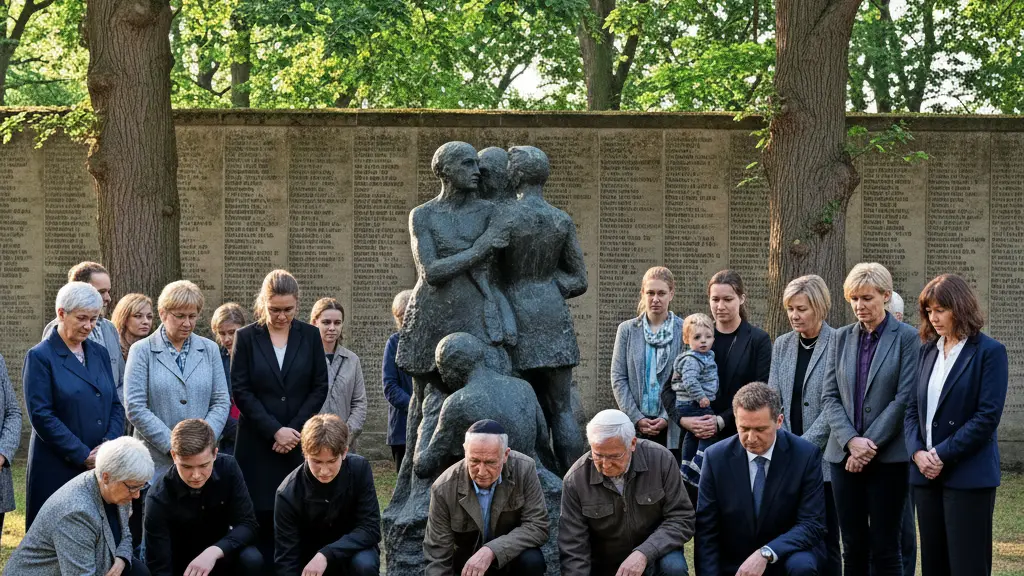
1. Overview: Memorials in Saxony-Anhalt
Saxony-Anhalt is home to a network of memorials and museums that honor victims of the Nazis and preserve the memory of persecution, resistance, and loss. These sites include concentration camp memorials, places remembering forced killings and so-called euthanasia victims, former synagogues, and museums that document Nazi crimes. They form an important part of Holocaust remembrance and civic education in the region.
The memorials and exhibitions serve many functions: they commemorate victims, educate visitors about the history of National Socialism, support research, and offer programs for school groups, families, and adult learners. Together they help keep alive the memory of those who suffered and encourage reflection about democracy and human rights.
2. Notable memorial sites
MAGDA – KZ-Außenlager in Magdeburg-Rothensee
The memorial at the former KZ-Außenlager known as “MAGDA” in Magdeburg-Rothensee remembers those imprisoned and forced into labor under Nazi rule. It is also a focal point for public acts of remembrance, including a wreath-laying scheduled for 27 January 2026 on Holocaust Memorial Day. Visits and commemorations at this site highlight the local dimensions of the concentration camp system.
Gedenkstätte Feldscheune Isenschnibbe, Gardelegen (Altmarkkreis Salzwedel)
The Field Barn Isenschnibbe memorial documents one of the wartime massacres and is a powerful site of remembrance in Gardelegen. It explains how mass murder occurred in hidden and rural locations as part of broader Nazi crimes. The memorial offers exhibitions and educational programming to keep the memory of the victims visible.
Gedenkstätte KZ Langenstein-Zwieberge
The memorial for victims of the Langenstein-Zwieberge concentration camp commemorates prisoners who suffered and died there. Exhibitions and preserved sites convey the conditions of captivity and forced labor, helping visitors understand the human cost of the camp system.
Roter Ochse, Halle (Saale)
The former prison known as the Roter Ochse in Halle (Saale) houses a memorial and museum that address political persecution and the role of Nazi justice. From 26 January to 27 March 2026, the site hosts a special exhibition on the crimes of the Nazi judicial system, offering insights into how courts and police enabled persecution.
Gedenkstätte Moritzplatz, Magdeburg
The Moritzplatz memorial in Magdeburg commemorates victims of National Socialism in the city and region. It combines local history with broader themes of exclusion, displacement, and persecution to make the past accessible to visitors of all ages.
Gedenkstätte für Opfer der NS-„Euthanasie“, Bernburg
The Bernburg memorial remembers the victims of the Nazi so-called “euthanasia” program—people with disabilities and those deemed unfit who were murdered under state-sanctioned policies. The site documents the systematic nature of these crimes and honors the dignity of the victims.
Museum Synagoge Gröbzig, Anhalt-Bitterfeld
The Museum Synagoge in Gröbzig preserves the history of Jewish life in the region and the destruction of communities during the Nazi era. As a restored synagogue and museum, it provides context about Jewish traditions, persecution, and the cultural loss caused by the Holocaust.
Former synagogue, Halle (Saale)
The former synagogue in Halle (Saale) stands as a reminder of the once-vibrant Jewish community and the rupture caused by Nazi antisemitism. The site contributes to local remembrance work and offers visitors a space to learn about Jewish history and the consequences of hatred.
3. Commemorations and events in 2026
Holocaust Memorial Day 2026 in Saxony-Anhalt is marked by a central commemorative hour in the state parliament in Magdeburg that highlights women in resistance. The program includes a speech by Dr. Frauke Geyken and a film screening focused on the life and courage of Hilde Coppi. Local memorials also hold events around the day, such as wreath-laying ceremonies and special exhibitions.
- 26 January–27 March 2026: Special exhibition on Nazi justice at the Roter Ochse in Halle (Saale).
- 27 January 2026: Wreath-laying at the MAGDA KZ-Außenlager memorial in Magdeburg-Rothensee on Holocaust Memorial Day.
- Statewide: Commemorative hour at the Landtag Magdeburg focusing on women in resistance, with speeches and film programming.
4. Education, visitors and capacity
The Stiftung Gedenkstätten Sachsen-Anhalt reported a rise in visitors to the memorial sites in 2025, reaching about 151,000 people. Much of this increase was driven by school groups attending educational programs. At the same time, memorials face capacity limits and sometimes must manage high demand for guided tours and group visits.
- School groups should book visits in advance to secure guided tours and avoid capacity problems.
- Memorials offer targeted education programs that connect local sites to national history and human rights topics.
- Teachers and group leaders are encouraged to prepare students with background information to make visits meaningful and respectful.
5. How to visit and respectful conduct
Visiting memorials in Saxony-Anhalt is an opportunity to learn and reflect. Plan ahead: check opening hours, ask about guided tours and educational programs, and register groups in advance when possible. Many sites have limited capacity, especially for school visits and special exhibitions.
- Before you go: prepare with age-appropriate material and set expectations for behavior and learning.
- On site: behave respectfully, follow staff guidance, and be mindful of photography rules and quiet zones.
- After the visit: discuss what you learned, connect the experience to broader questions of history, responsibility, and democracy.
6. Why these memorials matter
Memorials in Saxony-Anhalt preserve the memory of victims of the Nazis and encourage ongoing reflection about how prejudice, state power, and silence can lead to atrocity. They keep stories of victims and resisters alive—stories like those of women in resistance and figures such as Hilde Coppi—so new generations understand the human consequences of hatred.
Visiting, learning, and supporting these sites helps strengthen Holocaust remembrance and civic education. By engaging with memorials, individuals and groups contribute to a culture of memory that defends human dignity and democratic values against intolerance.
